Reservation Row in J&K: Aga Ruhullah Urges Govt to Speak to Students, Warns of Protests
By: Javid Amin | 27 December 2025
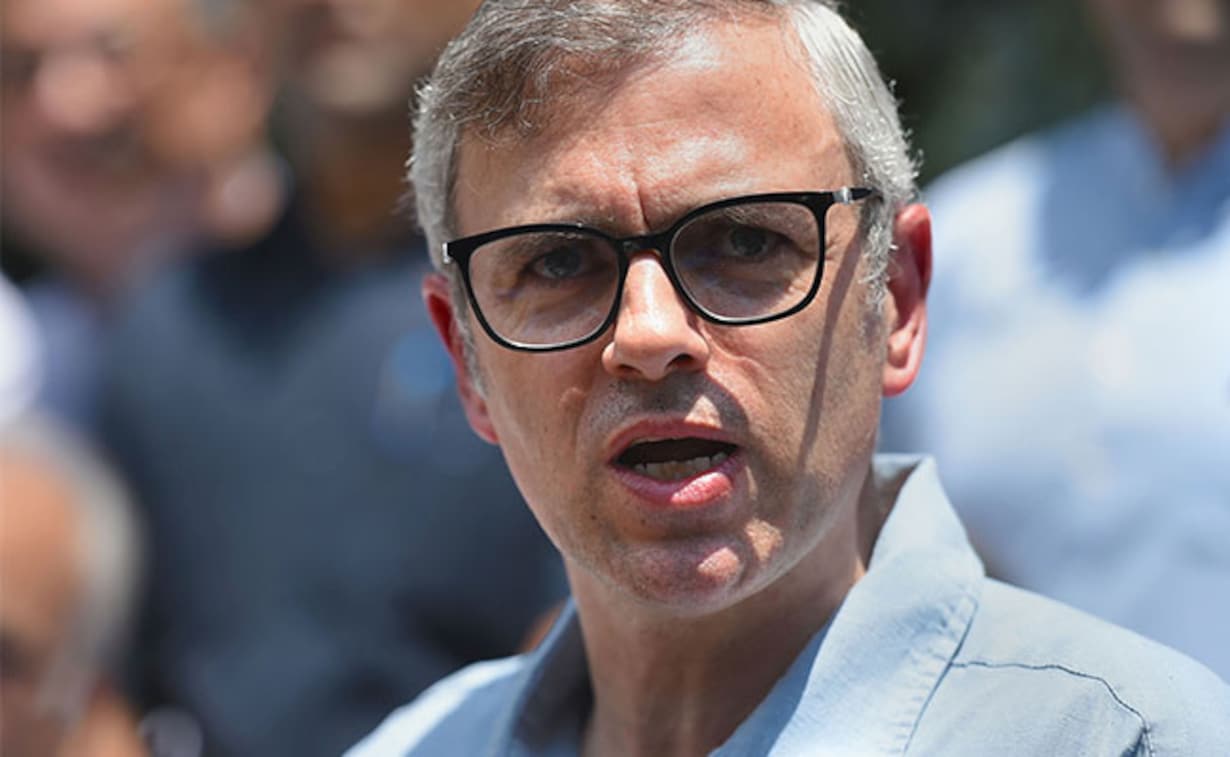
National Conference Member of Parliament Aga Syed Ruhullah Mehdi has issued a sharp warning to the Jammu & Kashmir government over its handling of the reservation policy controversy, saying that silence, delay, and lack of communication are pushing students toward unrest.
Speaking during an Awami Darbar in Budgam, Ruhullah urged the government to clearly spell out its position, engage directly with students, and explain the status of the reservation file, failing which he warned that protests could intensify.
“Do Not Let Students Feel Isolated”
Ruhullah struck an emotional and political chord while addressing public grievances, stating that uncertainty around reservation policy has left students anxious and alienated.
“I will not allow students to feel isolated. If the government does not talk to them, explain its stand, and clarify the status of the file, I will join the students myself,” he said.
He emphasized that the issue is no longer just administrative, but deeply social and psychological, particularly for students preparing for competitive examinations and professional courses.
Demand for Transparency and Direct Engagement
At the core of Ruhullah’s intervention is a demand for open communication, not immediate policy change.
He called on the government to:
-
Engage directly with student groups
-
Clearly explain what decisions, if any, have been taken
-
Publicly clarify the current status of the reservation file
-
Avoid ambiguity that allows misinformation to spread
“Talk to the students. Tell them what decisions have been taken, what is the status of the file,” Ruhullah said, stressing that transparency itself can defuse tensions.
Why the Reservation Issue Has Become Explosive
The reservation controversy stems from policies approved during Central rule, which critics argue have:
-
Expanded reserved categories beyond balance
-
Reduced opportunities for open merit candidates
-
Created anxiety among general category students
Student groups have repeatedly warned that over 60 percent reservation in jobs and professional courses could permanently disadvantage large sections of youth.
Political Pressure on the National Conference Government
Ruhullah’s remarks also reflect visible strains within the ruling National Conference, with differing views emerging publicly.
Signs of Internal Divergence
-
Ruhullah has taken a student-facing, activist posture
-
Other NC leaders, including ministers, have urged caution
-
The government has so far avoided issuing a clear public roadmap
Political analysts say such public differences risk:
-
Weakening party coherence
-
Sending mixed signals to students
-
Allowing opposition parties to exploit the confusion
Ruhullah’s Political Calculus
By threatening to join student protests, Ruhullah has positioned himself as:
-
A bridge between youth and government
-
A pressure point within the ruling setup
-
A voice amplifying grassroots anger
Observers note that this stance resonates strongly in South and Central Kashmir, where unemployment and competition for limited opportunities remain acute.
Risks if Silence Continues
| Risk Area | Potential Impact |
|---|---|
| Student Protests | Campus-wide agitation across Kashmir |
| Governance Credibility | Perception of indecision and avoidance |
| Party Unity | Deepening rifts within NC |
| Social Stability | Alienation of educated youth |
Education-linked unrest has historically carried high emotional and political costs in Jammu & Kashmir, making the issue particularly sensitive.
What Ruhullah Is Really Asking For
Importantly, Ruhullah has not demanded an immediate rollback of policy. His core demand is procedural and democratic:
-
Communicate first
-
Engage openly
-
Decide transparently
This, he argues, is essential to rebuild trust between the government and students.
Bigger Picture: Youth, Opportunity, and Trust
The episode underscores a broader reality in J&K:
-
Education and employment are inseparable from dignity
-
Policy opacity fuels suspicion
-
Youth unrest often begins with silence, not decisions
Ruhullah’s intervention is a reminder that governance is as much about communication as it is about policy.
What Comes Next
The government now faces clear choices:
-
Issue a formal clarification
-
Initiate student consultations
-
Risk escalation by maintaining silence
Whether it chooses engagement or delay will likely determine whether the reservation issue remains a policy debate—or turns into a mass student movement.