Srinagar plunges to –4°C; Ladakh sinks to –9°C; Zojila hits –17°C as winter tightens its hold
By: Javid Amin | 03 December 2025
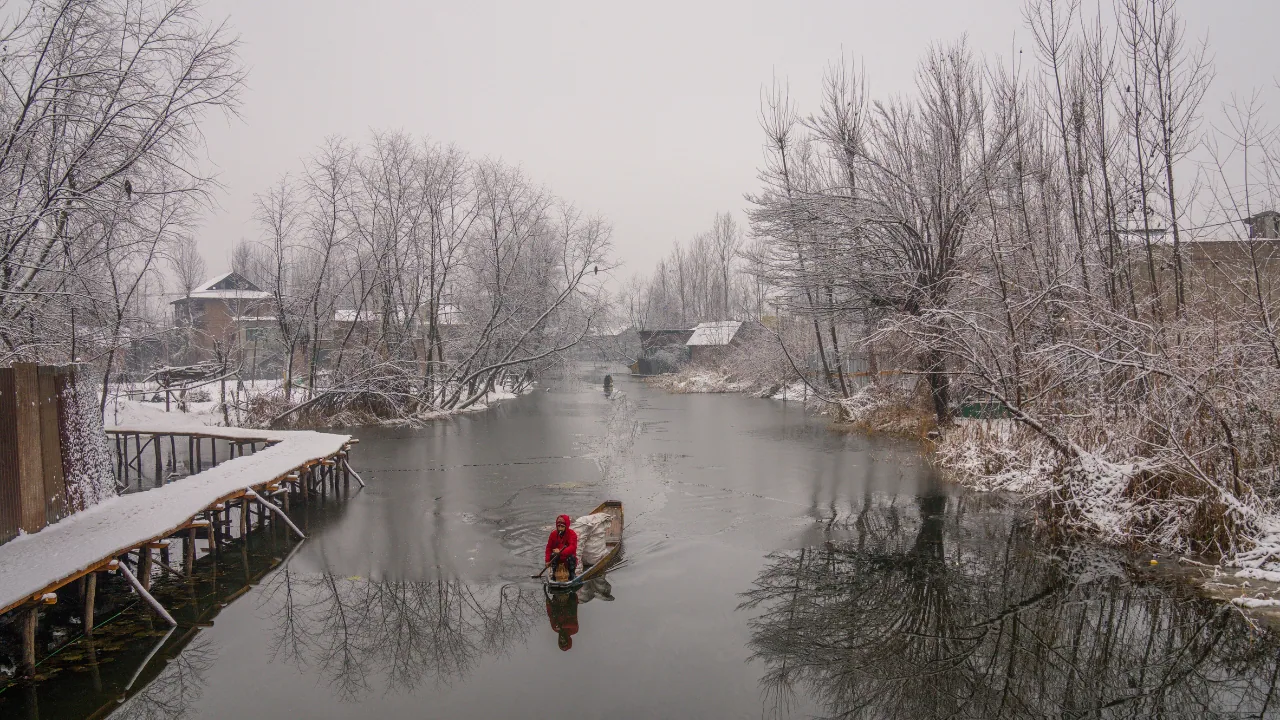
An intense cold wave has swept across Jammu, Kashmir, and Ladakh, pushing night temperatures far below freezing and signaling an early onset of harsh winter conditions. The Valley witnessed one of its coldest nights of the season on Wednesday, with temperatures collapsing simultaneously across plains, mid-altitude belts, and high mountains.
Kashmir Freezes: Srinagar at –4°C
According to the latest temperature readings from independent weather observers, Srinagar recorded –4.0°C, marking a sharp decline and cementing this week as the coldest spell so far.
The fall in temperatures has led to frozen water pipes, icy roads in several neighborhoods, and thick layers of frost coating rooftops, vehicles, and fields at dawn. Peripheral areas were even colder than the city center, with Srinagar Airport dipping to –4.6°C.
District-Wise Snapshot (Kashmir Valley):
-
Srinagar: –4.0°C
-
Qazigund: –3.6°C
-
Pahalgam: –4.8°C
-
Kupwara: –3.2°C
-
Kokernag: –0.8°C
-
Gulmarg: –1.0°C
South & North Kashmir Witness Deeper Freeze
The cold wave sharpened further outside major towns:
-
Pampore: –5.0°C
-
Awantipora: –4.0°C
-
Budgam: –4.2°C
-
Anantnag: –4.8°C
-
Baramulla: –4.8°C
-
Zethan Rafiabad: –4.6°C
-
Bandipora: –3.9°C
-
Ganderbal: –2.6°C
-
Sonamarg: –3.6°C
The southern belt remained the coldest:
-
Pulwama: –5.6°C
-
Shopian: –5.3°C
These stations continue to report frozen taps, icy harvest fields, and early morning mist settling over orchards.
Zojila Emerges as Coldest: –17°C
The high-altitude gateway between Kashmir and Ladakh, the Zojila Pass, recorded an extreme –17.0°C, making it the coldest point across the entire Himalayan arc.
Frostbite warnings are in place for travelers and truckers using this corridor during early morning and late-night hours.
Ladakh: Cold Desert in Deep Freeze
The cold desert region of Ladakh remained firmly locked in sub-zero conditions:
Ladakh Temperature Summary:
-
Leh: –9.0°C
-
Kargil: –7.8°C
-
Nubra Valley: –7.6°C
Nubra residents continue to rely on bukhari stoves, kerosene heaters, and livestock barns to survive the night chill. Thin ice sheets have formed on streams and canals, a typical sign of early December’s deep cold.
Jammu Region: Comparatively Milder but Cooling Fast
Unlike the Valley and Ladakh, the Jammu plains witnessed cold but not freezing conditions. Temperatures here remained above zero but significantly below seasonal averages.
Jammu Division Temperatures:
-
Jammu City: 8.0°C
-
Jammu Airport: 8.7°C
-
Katra: 8.4°C
-
Kathua: 7.2°C
-
Samba: 3.3°C
-
Udhampur: 3.0°C
-
Rajouri: 1.7°C
-
Bhaderwah: 0.4°C
-
Batote: 4.7°C
-
Doda: 4.7°C
-
Ramban: 4.3°C
-
Reasi: 6.1°C
-
Kishtwar: 3.6°C
The upper Jammu belt — especially Bhaderwah, Rajouri, Udhampur — continues to record borderline freezing nights, accompanied by dense night fog.
Kashmir Faces 500 MW Power Shortfall
The plunging temperatures have intensified the ongoing power crisis in the Valley. Kashmir is currently facing a deficit of nearly 500 MW, triggering hours of unscheduled outages during peak cold hours.
Families are turning to:
-
Kangris (traditional firepots)
-
Bukharis/wood stoves
-
Extra blankets and pherans
Tourism operators in Gulmarg and Pahalgam report difficulty maintaining heating systems, leading to discomfort among tourists and rising operational costs.
Winter Outlook: No Major Snowfall Until December 15
According to the latest local meteorological assessments:
-
No heavy snowfall is expected in Kashmir until mid-December.
-
Light snow is possible in the higher reaches.
-
Valley plains may remain dry but icy.
This means the early December freeze is radiation-driven, caused by clear skies and long, cold nights.
Chillai-Kalan Approaches
The harshest 40-day winter period — Chillai-Kalan — begins on December 21. Early indicators show:
-
Below-normal temperatures
-
Higher frost formation
-
Early freezing of water bodies
Dal Lake’s peripheral areas have already begun showing thin ice films at dawn.
Travel & Connectivity
-
Roads: Dry but extremely slippery in mornings; black ice risk on elevated roads.
-
Air Travel: Mostly normal, though morning flights may face low-visibility delays.
-
Srinagar–Jammu Highway: Open but frost patches reported near Banihal and Jawahar Tunnel.
Lifestyle Shifts: Winter Fully Sets In
People across Kashmir have now shifted to typical winter survival routines:
-
Kangris tucked under pherans during morning chores
-
Kehwa, noon chai, harissa dominating kitchens
-
Woolens, thermals, and Pashmina layers now a necessity
-
Portable heaters, blowers, and wood stockpiling at peak
-
Early sleeping hours, as cold intensifies after sunset