Attacks on Kashmiri Shawl Sellers Across India Spark National Outrage | FIRs Filed, MHA Issues Strong Warning
By: Javid Amin | 30 December 2025
A Winter of Livelihood, A Season of Fear
Every winter, as temperatures drop across the Himalayas, Kashmir’s artisans take to the road.
They travel with trunks of shawls, woolens, embroidery, Namda carpets, and traditional handicrafts — crafts carried not just in hand, but in memory, skill, and heritage. These vendors walk lanes, visit homes, set up roadside stalls, and operate temporary markets across northern India. Their work is honest, seasonal, and deeply rooted in culture.
But in November and December 2025, this familiar migration turned into a season of fear.
Across Himachal Pradesh, Uttarakhand, and Haryana, multiple incidents of assault and harassment against Kashmiri shawl sellers were reported. Videos circulated online. FIRs were filed. Civil society intervened. And finally, the Ministry of Home Affairs (MHA) issued a sharp warning:
“Such acts against Kashmiri shawl sellers will not be tolerated at any cost.”
This was more than a law-and-order update.
It exposed the fragility of migrant livelihoods, the slow burn of ideological hostility, and the hard reality that equal citizenship must be defended — not assumed.
This feature examines the timeline, the socio-economic impact, the legal response, and — most importantly — the human cost.
The Timeline Of Incidents
November 2025 — Himachal Pradesh: The Bilaspur Assault
The first widely-reported case emerged from Ghumarwin in Bilaspur district, Himachal Pradesh.
A Kashmiri shawl seller — later identified in local reports as a resident of Kupwara — alleged that:
-
three masked men assaulted him
-
his merchandise was damaged
-
he was threatened
-
he feared continuing work
A formal FIR was registered under provisions of the Bharatiya Nyaya Sanhita (BNS).
Shortly afterward, other Kashmiri traders released video statements, saying they too faced harassment and intimidation, especially during evening sales rounds.
This incident set the tone for the winter season.
What was once routine business
now carried risk.
December 22, 2025 — Uttarakhand: The Kashipur Shock
The most disturbing case took place in Udham Singh Nagar district, Uttarakhand.
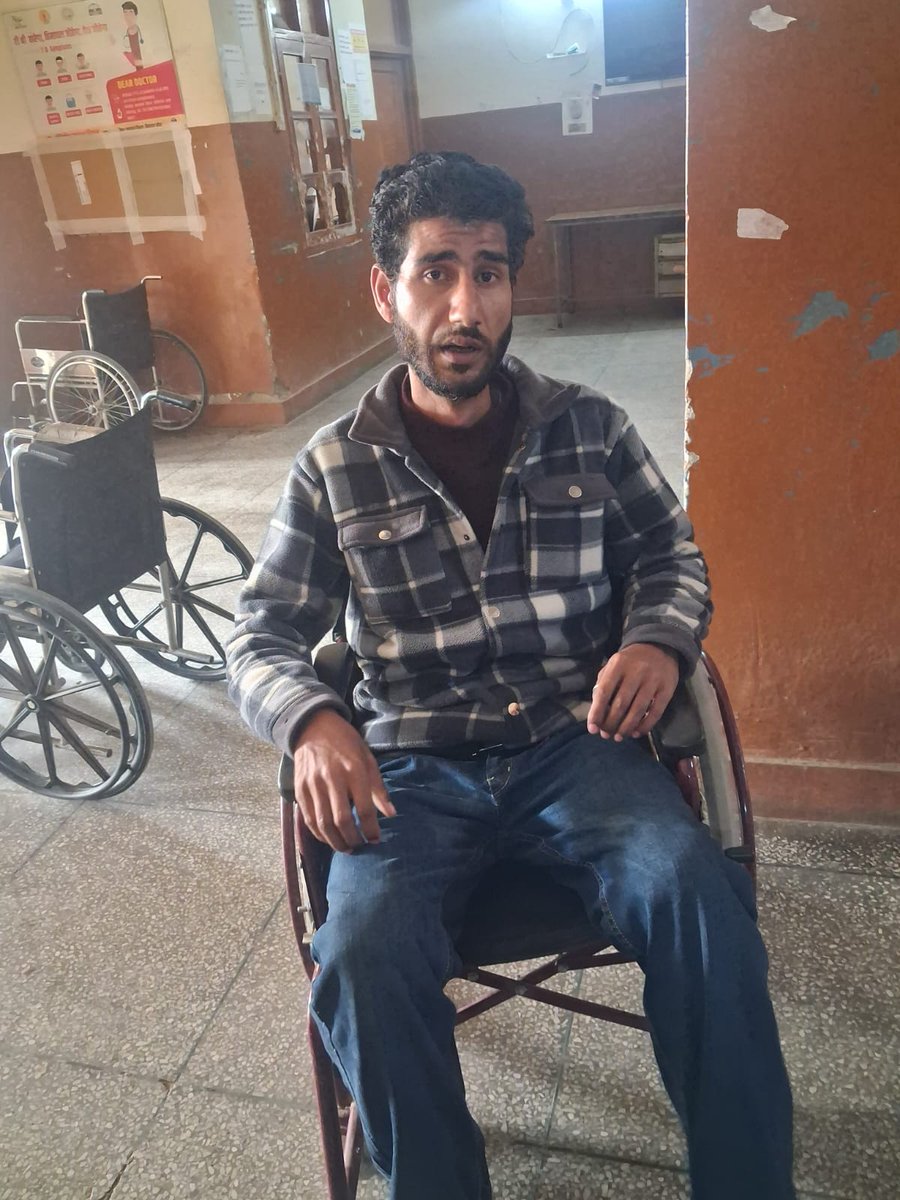
Bilal Ahmad Ganie, a 28-year-old shawl vendor from Kupwara, reported that:
-
he was stopped by a group of men
-
he was allegedly forced to chant slogans
-
the incident was recorded on video
-
he was physically assaulted
-
attempts were made to dissuade police from filing an FIR
The Jammu & Kashmir Students Association (JKSA) stepped in, publicly demanding accountability and protection for Kashmiri workers.
Their intervention brought national attention.
The visuals shook many.
Not because violence is rare
but because humiliation was theatre.
December 25–26, 2025 — The MHA Speaks Out
As cases mounted, the Ministry of Home Affairs issued a strong statement:
“Such acts against Kashmiri shawl sellers will not be tolerated at any cost. Every citizen has the right to live, travel, and earn with dignity anywhere in the country.”
This was unusually direct language.
It signaled concern that:
-
the pattern was not isolated
-
ideological targeting was suspected
-
the safety of migrant workers must be defended
The message was addressed:
-
to state administrations
-
to law enforcement
-
and indirectly, to radical activists
Equal citizenship is non-negotiable.
Late December 2025 — Haryana & Himachal Pradesh
Reports — including from Muslim Network TV — highlighted additional harassment cases involving Kashmiri vendors in Haryana and Himachal Pradesh, suggesting a wider trend.
Traders reported:
-
intimidation
-
forced questioning
-
verbal abuse
-
profiling
Some said they stopped knocking on doors after dark.
Their tone was cautious, not confrontational.
They spoke not as activists
but as breadwinners afraid of losing everything.
The Ground Realities Of Migrant Trade
Seasonal Migration: The Hidden Economy India Overlooks
Every winter:
-
thousands of Kashmiri artisans travel across India
-
most are from Kupwara, Baramulla, Budgam & Srinagar
-
they sell woolens, Pashmina, embroidery, shawls, namda, pherans
This seasonal movement forms one of India’s largest informal handicraft trade networks.
Their entire business model depends on:
✔ mobility
✔ trust
✔ door-to-door access
✔ community goodwill
Remove even one
and the system breaks.
Economic Vulnerability: Living On Thin Margins
Most shawl vendors:
-
finance stock through loans
-
carry goods worth Rs 1–5 lakh
-
pay for accommodation & travel
-
send money home weekly
-
operate without insurance
If merchandise is damaged
or income interrupted
the family suffers instantly.
So harassment is not just emotional trauma.
It is financial disaster.
Community Fear: Anxiety Replaces Familiarity
Videos released by traders show:
-
shaken voices
-
group safety meetings
-
requests for protection
Some now:
-
avoid interior villages
-
travel in pairs
-
skip late-evening sales
-
send stock back early
The climate of fear is real.
And fear kills livelihood before violence does.
Law Enforcement Gaps
In certain cases, vendors reported:
-
delayed FIR registration
-
reluctance to book perpetrators
-
inconsistent response across districts
This erodes trust.
When marginalised workers feel unheard
they withdraw from the system
quietly, painfully.
The Risks, Tensions & Patterns
Targeted Harassment Concerns
Several reports suggested ideological motivations linked to fringe activism.
This raises three major risks:
-
normalisation of intimidation
-
copy-cat aggression
-
erosion of inter-community trust
India’s strength lies in mobility of labour.
Once that becomes unsafe
the social contract is weakened.
Economic Disruption: Kashmir’s Handicraft Chain at Stake
Kashmir’s handicraft sector supports:
-
weavers
-
embroiderers
-
traders
-
logistics workers
-
artisans’ families
When vendors fear travel:
-
orders reduce
-
stock piles up
-
craftsmen lose income
Entire households suffer.
Social Tension & Polarisation
If migrant workers become soft targets, societies fracture.
Locals lose:
-
services
-
cultural exchange
-
trade relationships
Migrant communities lose:
-
dignity
-
confidence
-
rights in practice
Such damage is slow
but lasting.
Policy Credibility at Risk
When FIRs are delayed
citizens see double standards.
Consistency matters.
Justice must not depend on identity
but on law.
The National Response
Ministry of Home Affairs: Zero Tolerance Message
The MHA statement emphasised:
✔ equal citizenship
✔ freedom of movement
✔ right to livelihood
✔ strict action against offenders
It was a reaffirmation of constitutional promise.
And reassurance
that India does not accept discrimination.
Civil Society & Youth Intervention
The Jammu & Kashmir Students Association (JKSA):
-
amplified complaints
-
urged action
-
provided community support
-
ensured public attention
Rights groups too
called for stronger safeguards.
Media Coverage: National & International Interest
Coverage by Indian and international outlets ensured:
-
pressure on authorities
-
accountability discourse
-
public awareness
Sunlight remains
the best disinfectant.
The Human Side Of The Story
Behind every headline is:
-
a family waiting for remittance
-
a child whose school fees depend on winter sales
-
an artisan whose hands still work late into the night
These vendors do not demand privilege.
Just safety and dignity.
Their plea is simple:
“Let us work in peace.”
Recommendations & The Way Forward
1. Enhanced Police Accountability
-
FIRs must be registered immediately
-
intimidation should be treated seriously
-
bias-free enforcement is critical
2. Community Outreach
Local administrations should:
-
run awareness drives
-
promote tolerance
-
build bridges, not walls
3. Economic Safeguards
States and NGOs could explore:
-
vendor insurance schemes
-
legal aid access
-
grievance cells
4. Monitoring Mechanisms
Independent channels help ensure:
-
early reporting
-
unbiased documentation
-
policy review
The Core Question: What Kind Of Country Do We Want To Be?
India’s Constitution promises:
✔ equality
✔ dignity
✔ safety
✔ unity in diversity
Those are not slogans.
They are obligations.
Kashmiri traders are Indian citizens.
They are part of the national economy.
Part of our shared culture.
Part of our streets, winters, and memories.
If even one group feels unsafe
society must pause
and correct course.
Conclusion — Justice, Healing & Hope
The November–December 2025 assaults on Kashmiri vendors were not simply isolated criminal cases.
They were:
-
a warning sign
-
a social stress test
-
a reminder of the work still needed
The legal system responded.
The MHA spoke strongly.
Civil society defended the vulnerable.
Now the responsibility shifts
to:
-
state police
-
administrators
-
community leaders
-
and ordinary citizens
to ensure that livelihood never becomes a risk.
Because a nation remains strong
not by how it treats the powerful
but by how it protects
the ordinary worker knocking at your door
selling warmth in winter.
At a Glance — Key Takeaways
-
Multiple assaults on Kashmiri shawl sellers reported in Nov–Dec 2025
-
Incidents recorded in Himachal Pradesh, Uttarakhand, and Haryana
-
FIRs filed after public pressure
-
MHA warns such acts will not be tolerated
-
Fears rise among migrant vendors
-
Economic & social risks remain high
-
Experts call for stronger safeguards