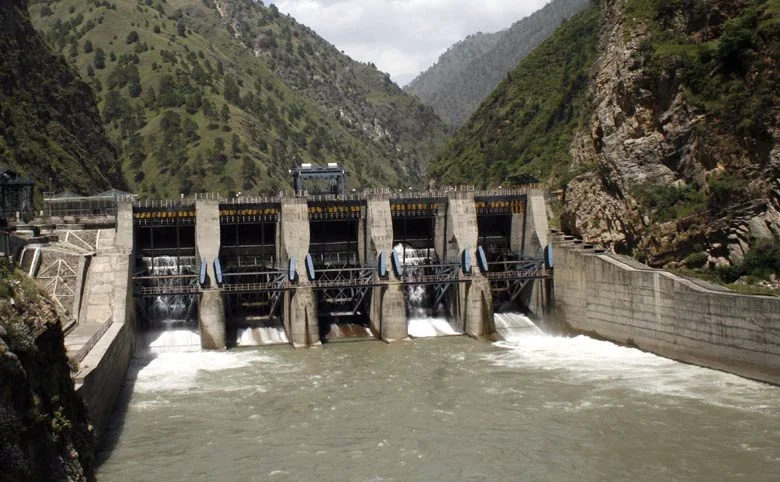
Kishtwar Renewable Power Hub: Hydropower & Solar Growth in J&K | 3000+ MW Projects Progress
By: Javid Amin | 15 December 2025
A Turning Point for Energy in Jammu & Kashmir
Jammu & Kashmir is rapidly transforming its energy landscape through a synchronized strategy emphasizing large-scale hydropower and solar energy projects. Recently articulated by the Government of India, this strategy places the Kishtwar district at the forefront of renewable energy development, positioning it as a potential power hub for North India. This article examines the progress, significance, challenges, and future prospects of these initiatives, based on verified ground reports and official updates.
Hydropower: The Backbone of Renewable Ambitions
01. The Big Four: Ratle, Pakal Dul, Kiru, and Kwar
Kishtwar’s hydropower portfolio is anchored by four flagship projects, collectively adding over 3,000 megawatts (MW) of clean, renewable energy capacity to India’s grid. These are:
| Project | Capacity (MW) | Location | Type | Significance |
|---|---|---|---|---|
| Ratle | 850 | Kishtwar | Run-of-River | Grid balancing & power security |
| Pakal Dul | 1000 | Kishtwar | Storage-Coupled | Largest project, reliable base energy |
| Kiru | 624 | Kishtwar | Run-of-River | Enhances energy resilience |
| Kwar | 540 | Kishtwar | Run-of-River | Regional power autonomy |
These projects exemplify India’s commitment to hydropower development in the Union Territory, addressing both local demand and broader national climate goals.
02. Project Status and Progress (October–December 2025)
Official government reports and parliamentary replies outline the current state of construction and commissioning timelines:
Ratle Hydroelectric Project (850 MW)
-
Construction has seen significant excavation progress: powerhouse cavern ~81%, dam abutment 100%, and tunnel works close to completion.
-
Commissioning was initially targeted for 2026 but revised reports suggest 2029 due to geotechnical and operational challenges.
Pakal Dul Hydroelectric Project (1000 MW)
-
Active construction with river diversion completed; expected to generate over 3,230 million units annually.
-
Completion was previously projected by mid-2025, although some scheduling adjustments are under review.
Kiru Hydroelectric Project (624 MW)
-
Dam concreting milestones and powerhouse works are accelerating based on October 2025 reports.
-
Targeted for commissioning through 2025–26 to bolster grid resilience.
Kwar Hydroelectric Project (540 MW)
-
Construction progress is moderate with significant earthworks underway.
-
Targeted commissioning dates range into 2026–28 depending on site conditions.
Combined, these projects reflect India’s largest coordinated hydropower push in the Chenab River basin.
Strategic Importance of Hydropower Expansion
01. Energy Autonomy and National Impact
Hydropower projects in J&K address critical national energy goals:
-
Enhancing Firm Renewable Capacity: Hydropower supplies reliable baseline electricity, complementing intermittent sources like solar and wind.
-
Reducing Seasonal Deficits: With unique seasonal water availability issues in mountainous regions, these projects help mitigate winter power shortages.
-
Grid Stability: Large installations like Pakal Dul provide essential inertia and frequency support for northern grids.
These outcomes dovetail with India’s ambition toward a sustainable, self-reliant energy future.
02. Economic Impact on Local Communities
The construction and eventual operation of these plants have immediate and long-term socio-economic benefits:
-
Direct and Indirect Employment: Thousands of jobs for engineers, technicians, and local labor — as seen at Ratle where over 1,400 workers are employed, a majority from the region.
-
Micro-Economy Boost: Supply chains and local service sectors benefit directly from large workforce requirements.
-
Skill Development: Transfer of advanced technical skills in hydroelectric project management.
However, labor relations and expectations occasionally lead to friction, as seen in recent work disruptions at Ratle.
Solar Energy: Strengthening the Renewable Mix
Although hydropower dominates the narrative, solar energy is an integral pillar of energy diversification:
-
The Union government has announced expanded solar initiatives in Jammu & Kashmir to reduce grid dependency and optimize energy portfolios.
-
Rooftop solar and distributed generation models are being prioritized to lower transmission losses and enhance energy access.
-
Solar facilitates daytime peak power support, critical given hydropower’s seasonal variability.
These measures are aligned with the National Solar Mission and contribute to India’s broader targets of renewable capacity additions.
Environmental and Climatic Considerations
01. Hydropower and Ecosystems
Harnessing river systems brings environmental responsibilities:
-
Habitat Impacts: Dams alter aquatic ecosystems and can affect fish migration and riverine biodiversity.
-
Sedimentation and Flow Variability: Operational challenges may arise from Himalayan sediment loads.
02. Geologic and Climate Risk Factors
Kishtwar’s location in the fragile Himalayas introduces vulnerabilities:
-
Seismic Activity: All projects must incorporate earthquake-resilient designs due to regional tectonic activity.
-
Flood and Landslide Risk: Climate change heightens the probability of extreme events, including glacial lake outburst floods (GLOFs), posing risks to infrastructure.
Balancing development with climate resilience remains a key engineering and policy priority.
Challenges and Risk Management
While the hydropower and solar strategy is ambitious, several operational and administrative challenges require attention:
01. Construction Delays
Delays in environmental clearances, litigation, and land acquisition can slow timelines.
02. Labor Dynamics
Workforce expectations and political interference threaten timely execution.
03. Regulatory Oversight
Effective dispute resolution mechanisms and IT-based monitoring systems are being deployed to manage execution and cost pressures.
Proactive management, transparent governance, and stakeholder engagement are essential to mitigate such challenges.
Future Outlook: Beyond 2025
The journey to a clean energy future for Jammu & Kashmir extends well beyond the current projects:
-
Harnessing Full Potential: With an estimated hydro potential of over 18,000 MW, only about 24% has been utilized so far.
-
Next Generation Projects: Beyond the big four, additional hydropower and renewable projects are under evaluation or construction.
-
Export Potential: As capacity grows, surplus power could flow to neighboring states, enhancing regional energy cooperation.
Bottom-Line: A Renewable Revolution in the Himalayas
Jammu & Kashmir’s energy transformation underscores a strategic pivot toward sustainability, economic growth, and regional development. Through coordinated efforts between central and local authorities, Kishtwar district — once remote — is rapidly emerging as a renewable energy powerhouse.
Balancing these ambitions with environmental stewardship, social inclusion, and technical resilience will determine how successfully this vision is realized — not just for J&K, but for India’s renewable energy future.