Post-2019 Kashmir Policy Failed? Mehbooba Mufti Cites Delhi Blast, Rising Alienation Among Kashmiri Youth
By: Javid Amin | 07 December 2025
At PDP Youth Meet, Kashmiri Professionals Share Harassment Tales, Warn of Dangerous Drift
A SHOCK THAT REOPENED OLD WOUNDS
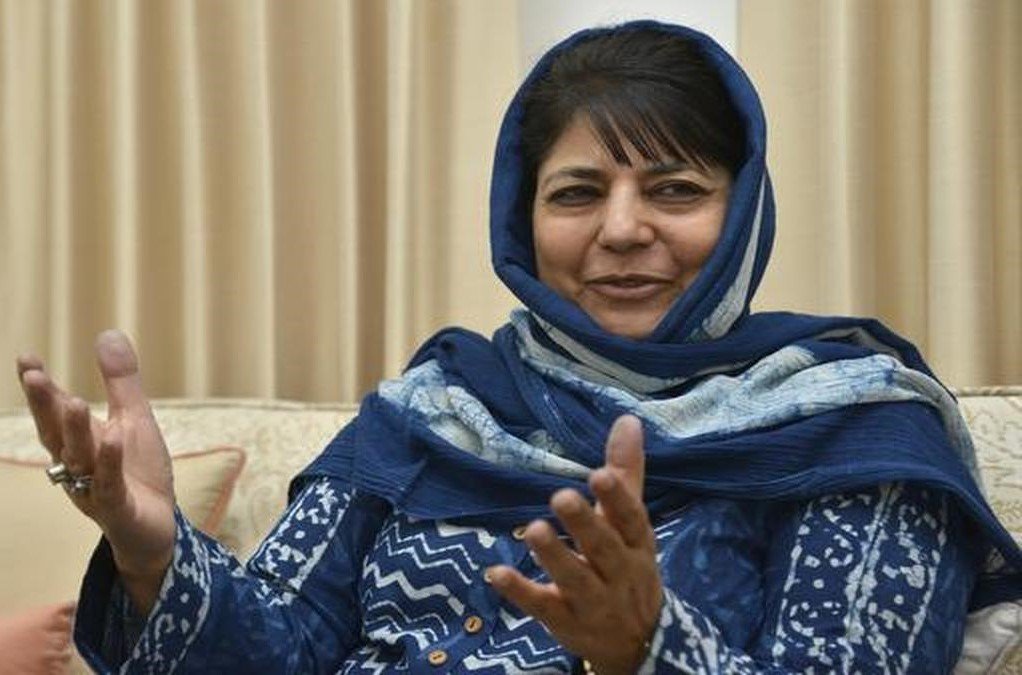
The political discourse in Jammu & Kashmir has taken a sharp turn after the recent Delhi blast allegedly involving a young Kashmiri doctor. The incident has reignited questions about New Delhi’s post-2019 Kashmir policy, with PDP chief Mehbooba Mufti declaring it a “failure” and urging an immediate course correction.
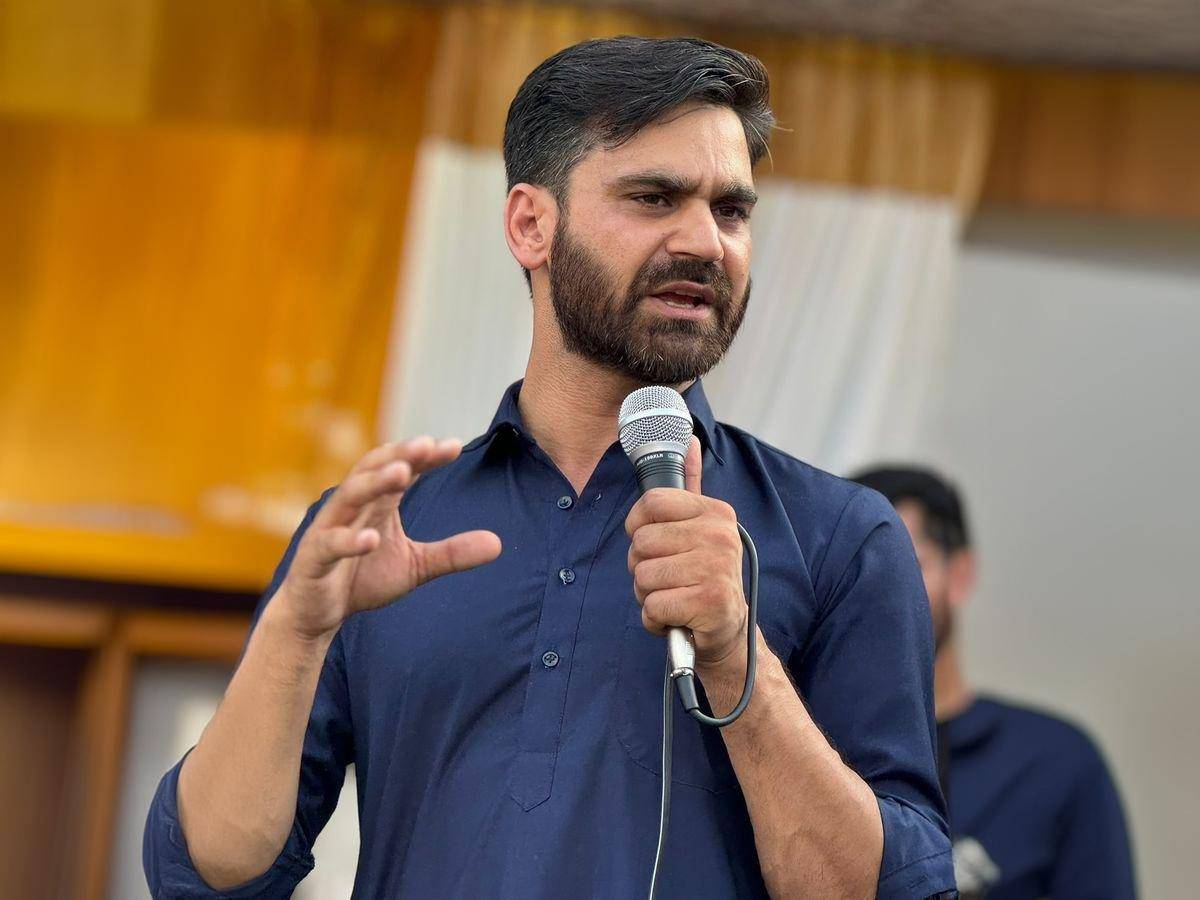
Speaking at a youth meet in Srinagar—where doctors, engineers, students, and young professionals shared harrowing stories of harassment—Mehbooba warned that educated Kashmiri youth are being pushed to a breaking point.
Her message was blunt:
“We will talk to youth here… because without listening to them, peace is impossible.”
MEHBOOBA MUFTI’S WARNING: “THE POLICY HAS FAILED”
At the PDP gathering, Mehbooba Mufti delivered one of her sharpest critiques of the Centre’s Kashmir strategy since Article 370 was revoked in 2019.
Her Key Arguments
-
Post-2019 policy has backfired
She urged the Prime Minister, Home Minister, and NSA to “accept the truth” that the strict, security-heavy approach is not working. -
Delhi blast as a wake-up call
Mehbooba said the involvement of a well-educated Kashmiri professional should disturb everyone.“It shook us. What pushes a doctor to such a path?”
-
Dialogue is no longer optional—it is essential
She announced PDP’s youth outreach initiative, aimed at:-
Understanding alienation
-
Documenting harassment
-
Giving youth a platform
-
Bringing their concerns into mainstream discourse
-
-
Violence as a symptom—not origin—of alienation
Her claim: “Radicalization grows where dignity collapses.”
THE DELHI BLAST: A POLITICAL AND SECURITY FLASHPOINT
The alleged involvement of a Kashmiri doctor in the Delhi incident has produced national shockwaves and regional soul-searching.
Why It Matters
-
The accused belonged to a professional, educated, stable background.
-
His journey contradicts the simplified narrative that “only unemployed or misguided” youth turn violent.
-
It exposes a deeper psychological fracture—alienation, resentment, humiliation, as youth repeatedly claim they face outside the Valley.
For Mehbooba Mufti
This event validates her long-standing warning that suppression without engagement breeds volatility.
PDP YOUTH MEET: STORIES THAT SHOOK THE ROOM
The most powerful part of the event came not from leaders—but from the youth.
Voices From the Room:
1. The Doctor Who Left His Job
A young doctor narrated how he was constantly treated with suspicion in hospitals outside J&K:
-
Patients refusing treatment
-
Peers degrading him as a “security risk”
-
HR warnings to “lie low” about his identity
He said:
“I didn’t quit medicine. Medicine quit me.”
2. The Engineer Who Returned Home
Another professional working in Delhi said he was routinely stopped, questioned, and humiliated simply for his Kashmiri surname.
“You cannot work with dignity when every ID card check becomes a character certificate test.”
3. Students Facing Profiling
Young students described being singled out during campus checks, hostel raids, and travel inspections.
One student said:
“Sometimes it feels safer in Kashmir than in our own classrooms outside.”
WHY EDUCATED YOUTH ARE FEELING HOPELESS
The testimonies reveal a disturbing pattern:
A. Harassment & Routine Profiling
-
Airports
-
Hostels
-
Highways
-
Corporate offices
Kashmiri youth say they are viewed as suspects first, citizens second.
B. Job Denials & Subtle Exclusion
Many youths shared experiences of being rejected, sidelined, or denied opportunities quietly but systematically.
C. Identity Stigma
“Are you from Kashmir?” is no longer a neutral question—it is often the beginning of a suspicion-driven conversation.
D. No channels for grievance
There are few formal mechanisms to report bias, leaving youth to internalize frustration.
E. Emotional Radicals
Mehbooba repeatedly warned:
“When dignity dies, despair grows. And despair is the soil where violence breeds.”
A POLICY UNDER SCRUTINY: POST-2019 APPROACH & ITS FAULTLINES
Delhi’s post-2019 Kashmir strategy is built on four pillars:
-
Strong security grid
-
Democratic reorganisation and delimitation
-
Control of separatist spaces
-
Integration through central oversight
But Mehbooba’s argument is that execution has created new alienation instead of reconciliation.
The Cracks Revealed
-
Militarized administration
-
Trust deficit between youth and security agencies
-
Socio-psychological wounds left unchecked
-
No major political dialogue
-
Civil rights concerns
-
Professional discrimination outside J&K
-
Lack of mainstream political space for critical voices
The Result?
According to PDP, a dangerous blend of anger + humiliation + powerlessness is pushing some youth toward extreme choices.
SECURITY VS TRUST: A DELICATE BALANCE
The Harsh Reality
Security forces have prevented multiple terror incidents since 2019—but political outreach remains stagnant.
The Delhi blast proves one truth:
A de-radicalized society needs trust-building, not just force-building.
Why it matters nationally
When alienation spills outside Kashmir—as seen in Delhi—the entire security establishment must reconsider:
-
Profiling
-
Policing
-
Surveillance
-
Public messaging
-
Youth engagement
-
Media narratives
Ignoring alienation allows anger to travel.
MEHBOOBA’S POLITICAL POSITIONING: DIALOGUE AS HER CORE IDENTITY
With Omar Abdullah focusing on governance and special status, Mehbooba Mufti has repositioned PDP as:
-
The primary voice for dialogue
-
The advocate for restoring dignity
-
The party that is willing to confront Delhi, not just negotiate
-
The platform where youth grievances can be articulated, not buried
Her message to Delhi
“Jails and crackdowns cannot replace conversation. You cannot fix a bleeding wound with a bandage of force.”
FUTURE RISKS: WHAT IF ALIENATION CONTINUES?
PDP’s youth meet exposed a potential trajectory if things remain unchanged:
1. Radicalization Among Educated Youth
This is the most worrying trend—the idea that professional, stable, successful youth are losing faith.
2. Migration Back to Kashmir
Many professionals are returning because they feel unsafe or unwelcome outside.
3. Increased Psychological Anger
Alienation does not always manifest in violence—but it always manifests in resentment.
4. Social Polarization Across India
As Kashmiris feel targeted, mistrust between communities grows.
5. National Security Challenges
Alienation is not a local issue—it has national consequences.
FINAL ANALYSIS — A POLICY AT A CROSSROADS
Mehbooba Mufti’s statements may be politically charged, but they reflect a rising sentiment among Kashmiri youth.
The Delhi blast was not just a terror incident—
it was a psychological alarm bell.
The question the Centre must answer is simple:
Can Kashmir be governed by fear, or must it be governed by trust?
Mehbooba insists the answer is dialogue.
The government believes the answer is discipline.
The youth say the answer is dignity.
The future of Kashmir may depend on whose voice prevails.