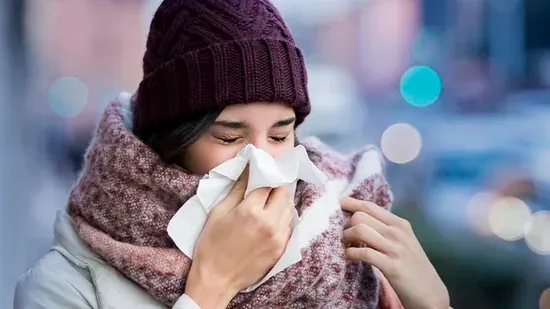
Respiratory Ailments Surge in Kashmir as Winter Air Quality Worsens
By: Javid Amin | 16 December 2025
A Silent Winter Emergency Unfolds Across the Valley
As winter tightens its grip over Kashmir, an invisible crisis is thickening in the air. Beyond freezing temperatures and snowless dry spells, the Valley is witnessing a sharp and worrying rise in respiratory ailments—an escalation doctors, pulmonologists, and public health experts increasingly link to deteriorating air quality.
Hospitals across Srinagar and other urban and semi-urban pockets are reporting a steady surge in patients complaining of breathlessness, chronic cough, wheezing, chest tightness, throat irritation, and recurring respiratory infections. From outpatient departments to emergency rooms, the pattern is consistent: poor winter air quality is taking a direct toll on respiratory health in Kashmir.
This is no longer an occasional seasonal discomfort. Health experts warn it is fast becoming a recurring winter public health challenge.
A Winter Pattern That Is Growing More Dangerous
Over the past few winters, Kashmir’s Air Quality Index (AQI) has repeatedly slipped into the “poor,” “very poor,” and occasionally “unhealthy” categories, especially during early mornings and late evenings. Unlike metropolitan smog episodes that make headlines, Kashmir’s pollution problem is quieter—less visible, but no less harmful.
Doctors note that patients now start reporting respiratory symptoms earlier in the season, often from late autumn, and continue well into early spring. This prolonged exposure significantly increases the risk of chronic respiratory conditions, particularly among vulnerable groups.
“We are seeing a clear rise in asthma exacerbations, bronchitis, COPD flare-ups, and recurrent infections every winter. The common factor is poor air quality combined with cold, dry air,” says a senior pulmonologist at a leading hospital in Srinagar.
Why Kashmir’s Geography Makes the Problem Worse
Kashmir’s breathtaking bowl-shaped geography—surrounded by mountains—plays a paradoxical role. While it offers scenic beauty, it also traps pollutants, especially during winter temperature inversions.
Temperature Inversion: A Natural Pollution Trap
In winter, cold air settles close to the ground while warmer air remains above it, forming a lid that prevents pollutants from dispersing. As emissions from vehicles, heating sources, and biomass burning accumulate, they remain suspended at breathing level for hours—sometimes days.
The result is dense pollution build-up, even when overall emission levels appear moderate compared to major industrial cities.
Key Drivers of Poor Air Quality in Kashmir
1. Prolonged Dry Weather
Traditionally, winter snowfall and rainfall helped cleanse the air by washing away pollutants. However, recent winters have seen extended dry spells, allowing particulate matter to linger in the atmosphere.
Without natural precipitation, pollutants accumulate, leading to sustained periods of poor air quality.
2. Traffic Emissions on the Rise
Kashmir has seen a sharp increase in vehicle numbers over the last decade. Diesel-powered vehicles, aging engines, traffic congestion, and idling during cold mornings release nitrogen oxides, carbon monoxide, and fine particulate matter (PM2.5).
In urban centres like Srinagar, traffic emissions now form a major contributor to winter pollution, especially during peak hours.
3. Biomass Burning and Traditional Heating
The widespread use of bukharis (traditional coal- or wood-fired heaters), charcoal, and biomass fuels during winter significantly worsens air quality.
Additionally, the seasonal practice of burning dried Chinar leaves for charcoal production releases dense smoke and fine particulates, particularly in residential areas.
While these practices are rooted in tradition and necessity, health experts caution that they are contributing substantially to indoor and outdoor pollution levels.
4. Industrial and Construction Activity
Although Kashmir is not heavily industrialised, small-scale industrial units, brick kilns, and construction activity—often unchecked during winter—add to PM10 and PM2.5 concentrations in urban pockets.
Dust from construction sites combines with smoke and vehicle emissions, creating a harmful pollution mix.
5. Indoor Air Stagnation
Winter forces people indoors. Windows remain shut to keep out the cold, leading to poor indoor ventilation. Smoke from heating devices, cooking fuels, and dampness creates an indoor pollution environment that can be as harmful as outdoor air.
Doctors emphasize that prolonged indoor exposure significantly increases respiratory risks, particularly for children and the elderly.
Who Is Most Affected? A Health Impact Snapshot
Children
Children are among the most vulnerable. Pediatricians report a noticeable increase in:
-
Asthma attacks
-
Persistent cough and wheezing
-
Recurrent chest infections
-
Reduced lung function over time
Children breathe faster than adults, making them more susceptible to inhaling higher volumes of polluted air.
Elderly Population
Older adults, especially those with pre-existing heart or lung disease, are experiencing:
-
Increased hospital visits for COPD and bronchitis
-
Breathlessness during routine activities
-
Higher risk of pneumonia and secondary infections
Cold air combined with pollution places extra strain on aging lungs.
Patients with Pre-existing Respiratory Conditions
For individuals already living with asthma, COPD, or post-COVID lung complications, winter pollution can trigger severe exacerbations, sometimes requiring emergency care.
General Population
Even healthy individuals are reporting:
-
Throat and eye irritation
-
Headaches and fatigue
-
Reduced outdoor activity
-
Decreased exercise tolerance
These symptoms, while often ignored, indicate ongoing lung stress.
Doctors Sound the Alarm: Hospitals Under Seasonal Strain
Healthcare facilities across the Valley report that respiratory-related outpatient visits spike significantly during winter months. Emergency departments also see a rise in patients presenting with acute breathlessness.
Medical professionals warn that repeated seasonal exposure increases the long-term burden of chronic respiratory disease, placing sustained pressure on Kashmir’s healthcare infrastructure.
“We are not just treating infections anymore; we are managing pollution-triggered disease patterns,” a senior medical officer explains.
Why Winter Pollution Is More Dangerous Than Summer Smog
Unlike summer pollution, winter air is colder, drier, and heavier. Fine particles penetrate deeper into the lungs, triggering inflammation and reducing oxygen exchange.
Additionally:
-
People exercise less outdoors, weakening lung resilience
-
Vitamin D deficiency rises, lowering immunity
-
Respiratory viruses spread more easily in polluted air
This creates a perfect storm for respiratory illness.
Preventive Measures: What Health Experts Recommend
1. Limit Outdoor Exposure
Avoid outdoor activities during early morning and late evening hours when AQI levels are typically worst.
2. Use Protective Masks
N95 or equivalent masks can significantly reduce inhalation of fine particles, especially for commuters and outdoor workers.
3. Improve Indoor Air Quality
-
Ventilate rooms briefly during midday
-
Keep heating devices well-maintained
-
Avoid smoking indoors
-
Use exhaust fans while cooking
4. Shift to Cleaner Fuels Where Possible
Transitioning from biomass and coal to cleaner heating and cooking fuels can reduce both indoor and outdoor pollution.
5. Monitor Daily AQI
Public awareness of daily AQI levels allows families to plan activities and take timely precautions.
The Larger Picture: A Public Health Challenge in the Making
Kashmir’s winter is no longer defined solely by snow and cold. It is now marked by a dual burden of climate stress and pollution exposure.
Without timely intervention, experts warn that winter smog could become a normalized seasonal phenomenon—quietly eroding respiratory health, productivity, and quality of life.
What Needs to Change: Long-Term Solutions
Health experts and environmental planners stress the need for:
-
Better air quality monitoring across districts
-
Regulation of biomass burning
-
Cleaner public transport initiatives
-
Urban planning that improves ventilation corridors
-
Public awareness campaigns on winter air health
Addressing the issue requires coordination between health, environment, transport, and municipal authorities.
Bottom-Line: Breathing Should Not Be a Seasonal Risk
Respiratory ailments rising due to poor air quality in Kashmir are no longer isolated medical cases—they are indicators of a growing environmental health crisis.
As winters grow drier and pollution sources multiply, the Valley faces a critical choice: treat respiratory illness season after season, or address the root causes threatening the very air people breathe.
The cost of inaction will not just be measured in hospital visits—but in diminished lives, strained families, and a healthcare system pushed beyond its limits.
Editor’s Note
This report is based on aggregated medical observations, regional air quality trends, and healthcare patterns observed across Kashmir during recent winter seasons. It reflects ground realities reported by clinicians and environmental health experts.