Stray Dog Crisis in Srinagar: A Public Safety Emergency Demanding Humane Action
By: Javid Amin | 15 December 2025
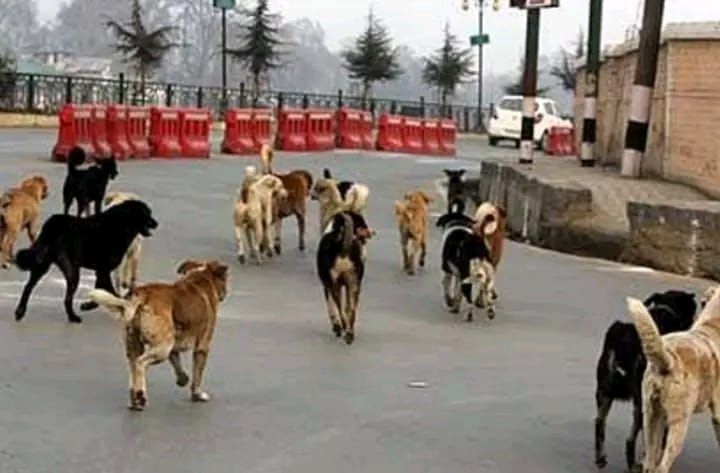
On any given morning in Srinagar, before shops lift their shutters or schools ring their first bell, the streets tell a troubling story. Packs of stray dogs roam residential lanes, scavenge at open garbage dumps, and lie sprawled across pavements. For many residents, especially children and senior citizens, stepping outside has become an act of calculated risk rather than routine.
What was once seen as a sporadic nuisance has now escalated into a full-blown urban crisis. With estimates suggesting that more than 21,000 stray dogs roam the city, Srinagar is grappling with a complex challenge that sits at the intersection of public safety, public health, governance failure, and ethical responsibility.
This is not merely a story about animals on the streets. It is a story about broken systems, unplanned urban growth, stalled civic programmes, and a city struggling to reconcile compassion with safety.
A City on Edge: Daily Fear in Residential Neighbourhoods
In neighbourhoods such as Jawahar Nagar, Rajbagh, Bemina, Batamaloo, and parts of Downtown Srinagar, residents recount similar experiences. Morning walks have stopped. Parents escort children to school even for short distances. Elderly residents time their outings carefully, avoiding early mornings and late evenings when dogs are most active.
Multiple incidents of dog attacks have been reported over the past few years, some resulting in serious injuries. While not every encounter ends violently, the constant presence of aggressive or territorial dogs has created an atmosphere of unease.
Residents describe dogs chasing two-wheelers, surrounding pedestrians, and attacking without apparent provocation. In narrow lanes and congested localities, escape routes are limited, making encounters even more dangerous.
For families, the psychological impact is significant. Fear has become woven into daily routines, altering how people move, work, and socialise within their own neighbourhoods.
The Numbers Behind the Crisis
According to estimates from municipal and animal welfare sources, Srinagar’s stray dog population has crossed 21,000. This figure represents a sharp rise over the past decade, driven by unchecked breeding, abundant food sources from open waste dumps, and inconsistent sterilisation efforts.
Animal Birth Control (ABC) programmes, which are legally mandated as the primary method for managing stray dog populations in India, have remained irregular in Srinagar. Periods of activity have often been followed by long interruptions due to administrative bottlenecks, funding delays, or lack of infrastructure.
The result is predictable: sterilised dogs are vastly outnumbered by unsterilised ones, allowing the population to grow faster than it can be managed.
Public Health at Risk: Dog Bites and Rabies Concerns
Hospitals and primary health centres across Srinagar report dozens of dog bite cases every month. While not all bites lead to rabies, every incident triggers a public health response involving post-exposure prophylaxis, vaccination, and monitoring.
Rabies remains one of the deadliest viral diseases known, with a near-100 percent fatality rate once symptoms appear. India already accounts for a significant proportion of global rabies deaths, and urban centres with large stray dog populations are particularly vulnerable.
Doctors warn that even a small lapse in vaccination coverage or public awareness could have devastating consequences. The financial burden on the healthcare system is also substantial, with anti-rabies vaccines and immunoglobulins consuming limited public health resources.
Beyond rabies, dog bites carry risks of infection, trauma, and long-term psychological effects, particularly for children.
Waste Management: Feeding the Problem
One of the most visible contributors to Srinagar’s stray dog crisis is poor solid waste management. Open garbage dumps, overflowing bins, and unsegregated waste provide a steady food supply for stray dogs, supporting larger populations and encouraging aggressive territorial behaviour.
In many localities, waste collection is irregular, and disposal sites are inadequately managed. Hotels, markets, and households often discard food waste in open areas, inadvertently sustaining dog packs.
Urban planners and public health experts agree on one point: without fixing waste management, no dog population control programme can succeed. Food availability directly influences breeding rates, survival, and aggression among stray dogs.
Governance Gaps and Institutional Failures
Municipal authorities acknowledge the seriousness of the issue but cite multiple challenges. Officials point to stalled sterilisation drives, limited veterinary infrastructure, shortage of trained staff, and legal constraints that prohibit culling under Indian law.
However, critics argue that these explanations highlight deeper governance failures. Animal control programmes require sustained planning, predictable funding, transparent monitoring, and inter-departmental coordination. In Srinagar, these elements have often been missing.
Stop-start sterilisation campaigns, lack of reliable data, and poor public communication have eroded public trust. Residents complain that complaints go unanswered and that responsibilities are passed between departments.
The crisis has also exposed the absence of a long-term urban animal management policy tailored to Srinagar’s unique geography, climate, and population density.
The Legal and Ethical Framework
Under Indian law, stray dogs are protected animals. The Animal Birth Control Rules mandate sterilisation and vaccination as the only lawful methods for population control. Culling is prohibited, except in rare cases involving incurable illness or extreme danger.
Animal welfare activists emphasise that cruelty-free approaches are not only ethical but also effective when implemented correctly. Cities that have invested consistently in sterilisation, vaccination, and waste management have seen stable or declining stray dog populations over time.
At the same time, activists acknowledge public fear and stress that compassion must go hand in hand with responsibility. Feeding programmes, they argue, must be regulated, hygienic, and integrated with sterilisation efforts.
Voices from the Ground: A City Divided
The stray dog crisis has polarised public opinion. Many residents demand immediate action, sometimes calling for removal or relocation of dogs. Their arguments are rooted in lived experience, fear, and concern for vulnerable family members.
Animal welfare groups push back against reactionary measures, warning that illegal or violent actions against dogs will only worsen the situation by creating aggressive, unvaccinated populations.
Public health experts attempt to bridge the divide, advocating evidence-based solutions that prioritise both human safety and animal welfare.
This tension reflects a broader moral dilemma faced by rapidly urbanising Indian cities: how to coexist humanely with animals in shared spaces.
Lessons from Other Cities
Several Indian cities offer valuable lessons. Where Animal Birth Control programmes have been implemented consistently for years, supported by robust waste management and public education, stray dog populations have stabilised.
These successes underline a critical point: there are no quick fixes. Sustainable solutions require political will, administrative continuity, and community participation.
What a Humane, Effective Solution Looks Like
Experts outline a multi-pronged approach for Srinagar:
- Sustained Sterilisation and Vaccination: Year-round ABC programmes with clear targets and public reporting.
- Improved Waste Management: Segregation at source, regular collection, and secure disposal sites.
- Public Awareness Campaigns: Education on dog behaviour, bite prevention, and responsible feeding.
- Institutional Accountability: Clear roles for municipal bodies, health departments, and animal welfare agencies.
- Community Engagement: Resident welfare associations involved in monitoring and feedback.
Only an integrated strategy can address the root causes of the crisis.
Why This Crisis Matters Beyond Srinagar
The stray dog crisis is not unique to Srinagar. It mirrors challenges faced by cities across India where rapid urbanisation has outpaced civic infrastructure.
How Srinagar responds will signal whether Indian cities can develop models of urban governance that are safe, humane, and sustainable.
Bottom-Line: Choosing Responsibility Over Reaction
Srinagar stands at a crossroads. The stray dog crisis has reached a point where inaction is no longer an option. Yet reactionary or illegal measures would only deepen the problem.
The choice is not between human safety and animal welfare. The real choice is between short-term responses and long-term responsibility.
A city that prides itself on culture, hospitality, and resilience must now demonstrate civic maturity. Humane action, grounded in science, law, and compassion, is not just the ethical path forward—it is the only path that works