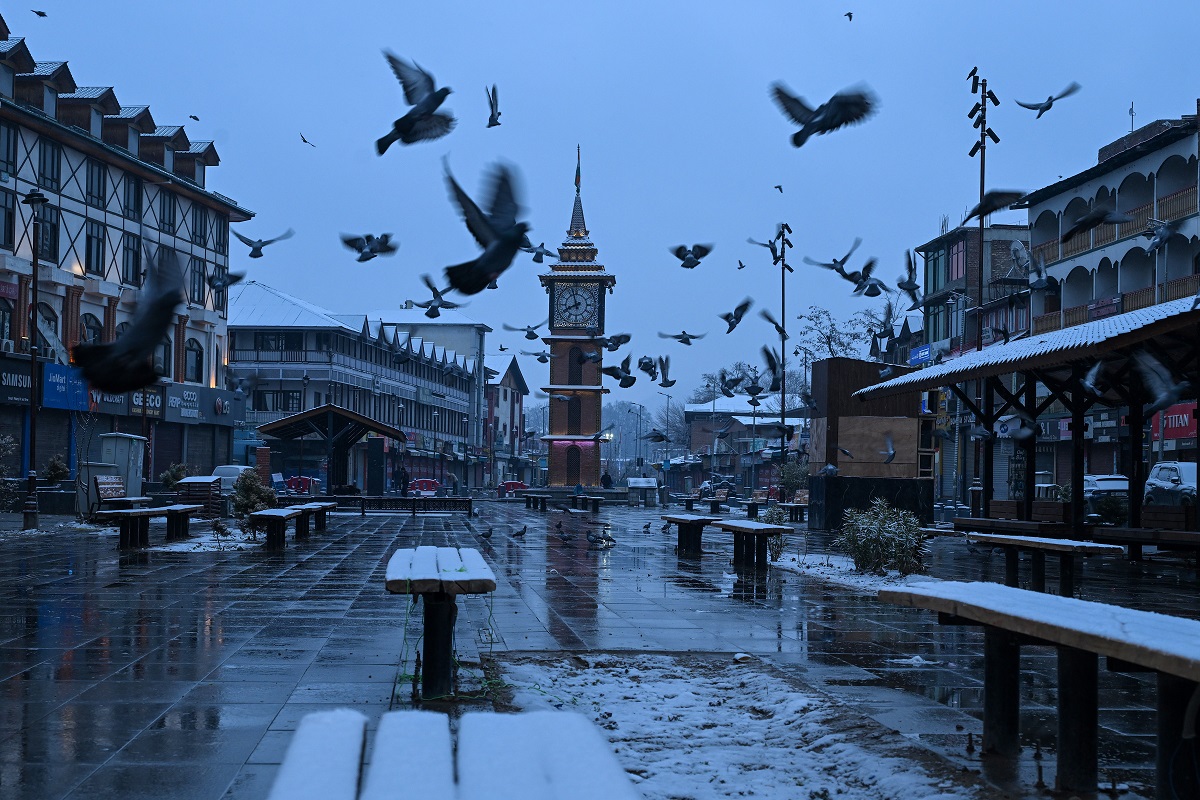
Chillai Kalan Draws to a Close, Bringing Measured Relief to Kashmir
By: Javid Amin | 30 January 2026
The Kashmir Valley has finally emerged from Chillai Kalan, the region’s most severe and culturally significant winter phase, which officially concluded on January 31, 2026. With its end, residents are witnessing the first subtle but meaningful signs of seasonal transition, as night temperatures across much of the Valley have risen closer to the freezing mark, easing the intense cold that defined the past 40 days.
While winter is far from over, the conclusion of Chillai Kalan traditionally marks a psychological and climatic turning point in Kashmir’s long cold season. The biting sub-zero nights, frozen water bodies, and relentless cold waves that dominate this period have begun to loosen their grip, offering cautious relief to daily life.
Meteorologists, however, caution against complacency. Cold conditions will persist, snowfall will continue in higher reaches, and multiple Western Disturbances are lined up, ensuring that winter remains an active force through February.
Understanding Chillai Kalan: Kashmir’s Harshest Winter Phase
What Is Chillai Kalan?
Chillai Kalan is a traditional Kashmiri term referring to the coldest 40-day stretch of winter, observed annually from December 21 to January 31. Rooted in centuries-old local climate knowledge, the term remains central to how Kashmiris understand and prepare for winter.
Key Characteristics of Chillai Kalan
-
Prolonged sub-zero night temperatures
-
Frequent snowfall and cold waves
-
Frozen lakes, rivers, and water supply lines
-
Increased risk of avalanches and road closures
-
Peak demand for heating fuel and power
Historically, Chillai Kalan has been the period when Dal Lake freezes, water taps ice over, and entire communities adapt their routines to extreme cold.
The Winter Sequence: What Comes After Chillai Kalan
Kashmir’s winter unfolds in three traditional phases:
1. Chillai Kalan (40 days)
-
December 21 to January 31
-
Harshest and coldest phase
2. Chillai Khurd (20 days)
-
February 1 to February 20
-
Less severe but still cold
3. Chillai Bachha (10 days)
-
February 21 to early March
-
Transitional phase towards spring
With Chillai Khurd beginning on February 1, the Valley now enters a period where temperatures gradually moderate, though snowfall and cold spells remain common.
Current Weather Trend: A Measured Rise, Not a Sudden Thaw
Night Temperatures Show Improvement
Meteorological observations indicate:
-
Srinagar’s night temperatures have risen closer to 0°C, compared to persistent sub-zero lows during Chillai Kalan.
-
Other plain areas of the Valley are also seeing less extreme overnight cold.
This rise is modest but significant, particularly for:
-
Water supply systems
-
Power infrastructure
-
Health and comfort of vulnerable populations
Daytime Conditions Stabilising
Day temperatures remain cold but:
-
More stable
-
Increasingly punctuated by sunshine breaks
-
Less prone to sharp drops
Sunlight during the day is offering psychological relief and improving visibility after weeks of grey skies.
Higher Reaches Still Deep in Winter Grip
While the Valley floor is seeing moderation, higher-altitude regions remain firmly under winter conditions.
Gulmarg, Pahalgam & Sonamarg
-
Continued snow accumulation
-
Regular fresh snowfall linked to Western Disturbances
-
Colder nights compared to plains
These areas are expected to remain snowbound well into February, maintaining both avalanche risks and tourism potential.
Impact on Daily Life Across the Valley
Easing of Extreme Cold
-
Frozen taps and water lines are slowly thawing in some areas
-
Icy road surfaces are reducing during daytime hours
-
Household heating demand remains high but stabilising
Transport Conditions Improving — With Caution
-
Interior roads are gradually reopening after snow clearance
-
Jammu–Srinagar National Highway remains vulnerable to:
-
Landslides
-
Snow accumulation
-
Weather-triggered closures
-
Authorities continue to advise checking travel advisories daily.
Tourism Sees Renewed Momentum
The easing of extreme cold has brought renewed optimism to Kashmir’s winter tourism sector.
Winter Tourism Hotspots
-
Gulmarg: Skiing, snowboarding, winter festivals
-
Pahalgam: Snow sightseeing and winter treks (restricted zones only)
Tourism officials report that stable daytime weather and fresh snow are attracting visitors, especially domestic tourists seeking winter experiences.
However, authorities continue to stress:
-
Strict adherence to avalanche advisories
-
Avoidance of off-route trekking
-
Coordination with local guides
Agriculture: Chillai Kalan Snowfall Brings Long-Term Gains
From an environmental and agricultural standpoint, Chillai Kalan snowfall is considered a blessing.
Benefits to Agriculture
-
Replenishment of water reservoirs
-
Sustained soil moisture for spring crops
-
Protection of orchards from pests due to prolonged cold
Apple Orchards & Horticulture
Kashmir’s apple economy depends heavily on:
-
Adequate winter chilling hours
-
Snow insulation for roots
Experts note that the snowfall recorded this Chillai Kalan supports a healthy crop cycle, improving yield prospects for the coming season.
Western Disturbances Still in Play: Winter Not Over Yet
Despite Chillai Kalan ending, winter weather systems remain active.
IMD Outlook
-
3–4 Western Disturbances expected in the next 10 days
-
More rain and snowfall likely, especially in higher reaches
-
Intermittent impacts on travel and infrastructure
Western Disturbances during Chillai Khurd often bring:
-
Short but intense snow spells
-
Temperature fluctuations
-
Localised disruptions
Environmental Perspective: Why Winter Patterns Matter More Than Ever
Environmental experts highlight that Kashmir’s winter phases are becoming:
-
More variable
-
More intense in short bursts
-
Less predictable
Climate variability is influencing:
-
Frequency of snowfall events
-
Avalanche occurrences
-
Freeze–thaw cycles affecting infrastructure
The end of Chillai Kalan does not signify climate stability, but rather a shift in winter dynamics, requiring continued preparedness.
Public Advisory: What Residents Should Do
Recommended Actions
-
Continue monitoring MeT Department updates
-
Avoid unnecessary mountain travel
-
Maintain winter preparedness at home
-
Assist elderly and vulnerable neighbours
Tourists Advised To
-
Follow district administration advisories
-
Avoid off-road or unguided activities
-
Keep travel itineraries flexible
Cultural Significance: Why Chillai Kalan Still Matters
Beyond meteorology, Chillai Kalan holds deep cultural meaning in Kashmir. It shapes:
-
Seasonal routines
-
Dietary habits
-
Architectural adaptations
-
Community resilience
Its end is traditionally seen as a sign that the worst of winter has passed, even though cold days still lie ahead.
Conclusion: A Subtle Shift, Not a Sudden Change
The end of Chillai Kalan on January 31, 2026, marks a gentle turning point in Kashmir’s long winter journey. Night temperatures are rising, days are stabilising, and daily hardships are easing — but winter remains present and powerful.
As the Valley enters Chillai Khurd, residents and authorities alike remain vigilant. Snowfall will continue, cold conditions will persist, and preparedness remains essential.
For Kashmir, this moment is not an end to winter — but a measured step toward seasonal balance.


