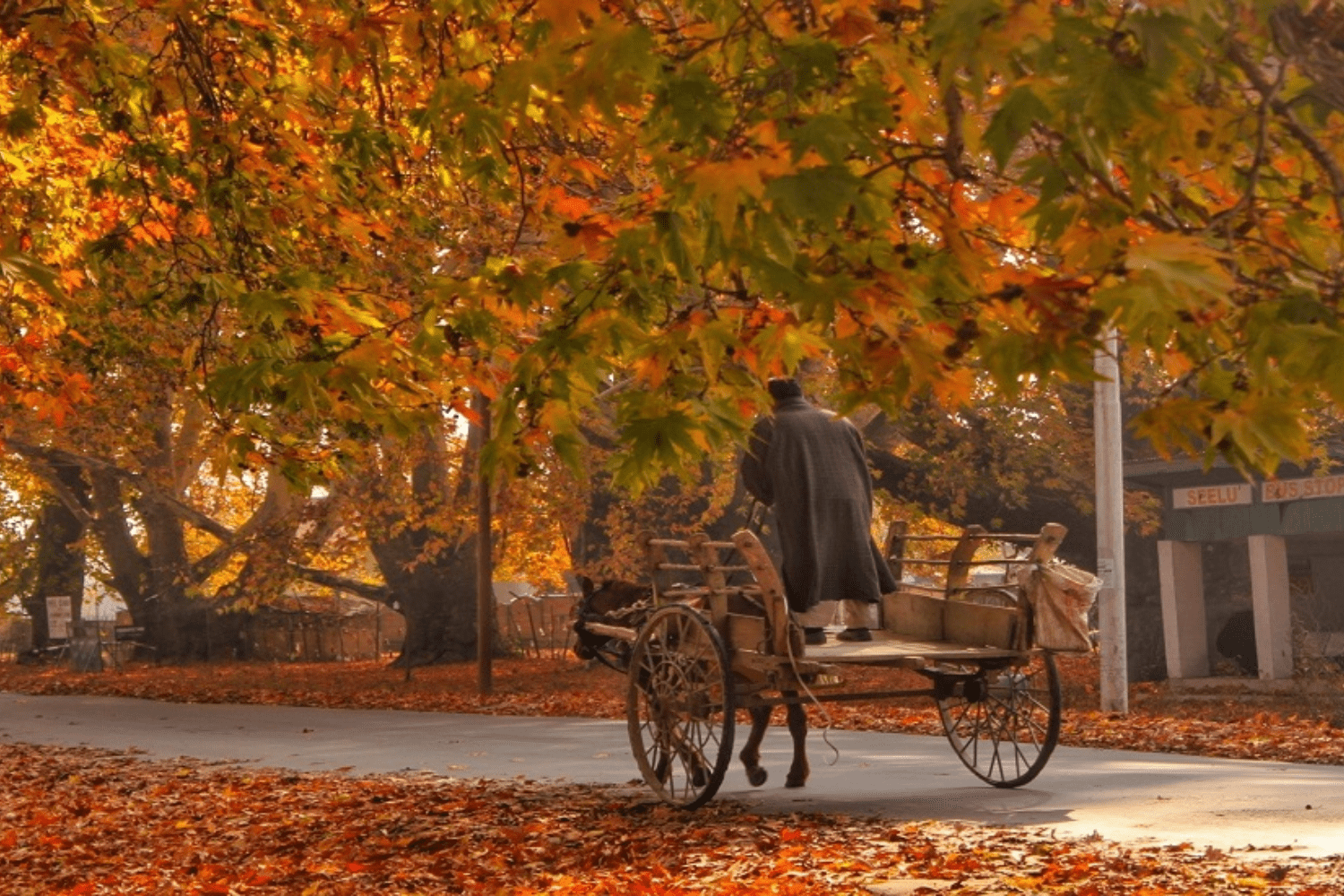
Kashmir Freezes as Severe Winter Tightens Its Grip
By: Javid Amin | 12 January 2026
Kashmir — In the heart of winter 2026, the Kashmir Valley and neighbouring Jammu region are immersed in a deep cold spell that has upended daily life, strained critical infrastructure, and reshaped how communities endure extreme chill. With night temperatures plunging well below freezing and dense fog enveloping the plains of Jammu, the mounting hardship has spotlighted broader climate, energy and safety challenges as the sub-continent’s winter intensifies.
Ground reports and meteorological data confirm that this cold wave is one of the deepest in recent memory, marked not by large snowfall but by persistently sub-zero conditions, widespread frost, and extended periods of clear skies that accelerate nocturnal heat loss.
Severe Cold Conditions: Temperature Snapshot
Across the Valley and Ladakh, night temperatures have hit sharply cold records with minimal relief:
| Location | Minimum Temperature (°C) | Notes |
|---|---|---|
| Srinagar | –2.4 to –5.2 | Frozen water bodies, extreme frost |
| Shopian | –5.2 to –8.6 | One of the coldest valley points |
| Pulwama | –6.5 | Among lowest in central Kashmir |
| Pahalgam | –3.4 to –7.6 | Tourist base camp deep chill |
| Gulmarg | –3.4 to –6.2 | Ski resort icy but less snowfall |
| Jammu City | 3.4 to 4.0 | Dense fog & visibility issues |
| Ladakh (Leh/Hanle/Kargil) | –10.8 to –15 | Extreme high-altitude winter chill |
This snapshot reflects both ongoing severe cold and some marginal warming compared to earlier nights — a sign of slight diurnal fluctuation rather than any sustained reprieve.
The Meteorological Perspective: Why the Cold Wave Persists
Chillai Kalan: Kashmir’s Harshest Winter Phase
The ongoing spell coincides with Chillai Kalan — a traditional 40-day period beginning December 21 that is historically the harshest period of winter in Kashmir. During this phase, sub-zero conditions persist across most nights, water bodies freeze, and frost becomes widespread.
Weather Forecast (IMD/MeT Centre)
-
Dry, cold conditions are forecast to continue at least until mid to late January (around Jan 20), with minimal large-scale snowfall expected in the plains during this interval.
-
Weak western disturbances could bring light snow in higher elevations, but not major snowstorms across the Valley floor from Jan 13–15.
-
Dense to very dense fog remains a significant forecast hazard, especially across the Jammu plains, mirroring conditions widely reported across northern India.
Meteorological experts emphasize that clear skies and calm winds — conditions that aid heat radiation at night — are largely responsible for the sharper temperature drops, even without active snowfall.
Electricity Demand Spike: Infrastructure Under Strain
Record Heating Requirements
The widespread sub-zero temperatures have driven a notable surge in electricity demand across Kashmir households:
-
Households increasingly rely on electric heaters, thermal blowers, and electric blankets to sustain indoor warmth.
-
Frozen taps and burst or blocked water lines increase reliance on continuous heating cycles to prevent freezing — further elevating consumption.
Grid Stress & Power Supply Strain
Local utility providers report persistent power loads beyond typical winter patterns, contributing to occasional outages, load-shedding schedules, and equipment stress. While official grid data is limited, multiple ground sources indicate higher winter electricity draw compared to prior years — a trend that strains both generation and distribution systems.
This scenario reflects a broader pattern seen in cold waves across northern India, where intense winter demand often challenges regional infrastructure.
Economic Impact on Households
-
Rising energy bills as heating loads spike.
-
Back-up systems like generators and battery backups becoming essential in areas with frequent outages.
-
Households adopting kerosene, wood and traditional heating stoves where electricity falters.
These coping mechanisms, while effective in the moment, highlight gaps in energy resilience and affordability.
Fog in Jammu: Visibility and Transport Risks
Jammu city and surrounding plains are experiencing dense fog, creating severe visibility constraints:
-
Morning travel slows significantly due to near-zero visibility.
-
Road and rail transport schedules report delays and heightened accident risk.
-
Dense fog in northern plains is part of a wider weather pattern impacting Punjab, Haryana, Delhi-NCR and Uttar Pradesh.
Residents of Jammu report that even daytime visibility remains compromised, with dense layers of fog lingering long after sunrise — conditions that directly affect everyday mobility and commerce.
Public Health and Safety Implications
Cold-Related Health Risks
Extended exposure to severe cold increases risk factors for:
-
Hypothermia and frostbite among vulnerable populations — older adults, children, the homeless, and outdoor workers.
-
Respiratory distress, as cold air exacerbates conditions like asthma and bronchitis.
-
Seasonal infections, due to weakened immune responses and indoor crowding.
Healthcare advisories urge residents to stay warm, avoid prolonged outdoor exposure in early mornings and evenings, and maintain adequate indoor heating — particularly for high-risk groups.
Safety Measures for Residents
Public health officials recommend:
-
Layered clothing, including woolens and insulating garments.
-
Warm hydration and nutritious diets to support immunity.
-
Community check-ins for elderly neighbors and isolated families.
These grounded practices, deeply embedded in Kashmir’s winter culture, continue to shape how families endure prolonged chill.
Daily Life and Community Coping Strategies
Traditional Methods Still Prevail
Despite modern energy sources, many communities rely on age-old tools to combat the cold:
-
Pheran and Kangri: The iconic woollen cloak (pheran) combined with an earthen firepot (kangri) remains a winter staple, particularly in rural belts.
-
Kerosene and wood stoves: Used where electricity is unreliable or costly.
-
Indoor water storage: To counter frozen taps and pipes, households stock insulated containers with warm water for everyday use.
-
Adjusting daily routines: Families increasingly extend sleep under heavy quilts and organize tasks around warmer hours.
These practices underline a blend of cultural resilience and practical necessity amid extreme climatic stress.
Tourism and Economic Impacts
Ski Resorts: Icy But Limited Snow Activity
Popular destinations like Gulmarg remain icy, drawing adventure tourists eager for winter landscapes. However:
-
Lack of heavy snowfall on many days limits skiing and winter sports activity.
-
Tourism footfall fluctuates with weather patterns, dense fog, and travel delays.
Tourism operators report mixed responses: while some visitors embrace the winter scenery, others postpone plans due to visibility challenges and transport uncertainties.
Local Business Effects
-
Reduced early-morning footfall in markets due to fog and cold.
-
Slowdowns in daily commerce as residents minimize outdoor activity.
Wider regional weather patterns — including dense fog across North India — have a cumulative dampening effect on trade and mobility.
Transport and Mobility Realities
Fog and frost have tangible impacts:
-
Road travel on key corridors slows as authorities enforce safety measures.
-
Rail and flight schedules face delays or disruptions because of low visibility and ice on tracks or runways.
-
Motorists require anti-skid chains and increased braking distances on icy surfaces — standard but critical winter precautions.
Travel advisories continue to emphasize caution, particularly for early morning and late-night road journeys.
Broader Regional Context: Northern India Winter Patterns
While Kashmir undergoes chilling lows and ongoing dry weather, northern plains — including Punjab, Haryana, Chandigarh, and Delhi-NCR — contend with dense to very dense fog, severely reducing visibility and disrupting normal life.
The India Meteorological Department has issued broader winter alerts across northern India, emphasizing caution due to persistent cold and fog into mid-January.
Looking Ahead: What the Forecast Suggests
Short-Term Outlook (Next Week)
-
Continued sub-zero nights and dry, cold conditions up to Jan 20.
-
Sparse but possible light snowfall in higher reaches, particularly late January.
-
Dense fog particularly across Jammu and adjacent plains.
Longer-Term Expectations
Meteorological models indicate that beyond January 20, weather patterns may shift, bringing occasional precipitation or light snow at higher elevations — a feature typical of transitional winter phases.
Still, expert analysts emphasize that while snowfall can add scenic beauty, cold conditions and infrastructure challenges will persist well into February without significant weather disturbances.
Conclusion: Resilience Amid Harsh Winter
From sub-zero valley nights to fog-clad plains, the 2026 Kashmir winter underscores the persistent power of natural weather cycles and the resilience of communities adapting to severe conditions. Layered clothing, traditional heating systems, and community bonds blend with modern forecasting and emergency advisories to shape public responses to what may be one of the tougher cold waves in recent years.
As forecasts continue to signal dry, cold weather with limited snow, preparedness — in health, infrastructure, transport, and social support — remains at the forefront of life in Kashmir and the broader northern region.