CM Omar Abdullah Backs Indus Treaty Suspension, Seeks Full Water Rights for J&K
By: Javid Amin | 09 January 2026
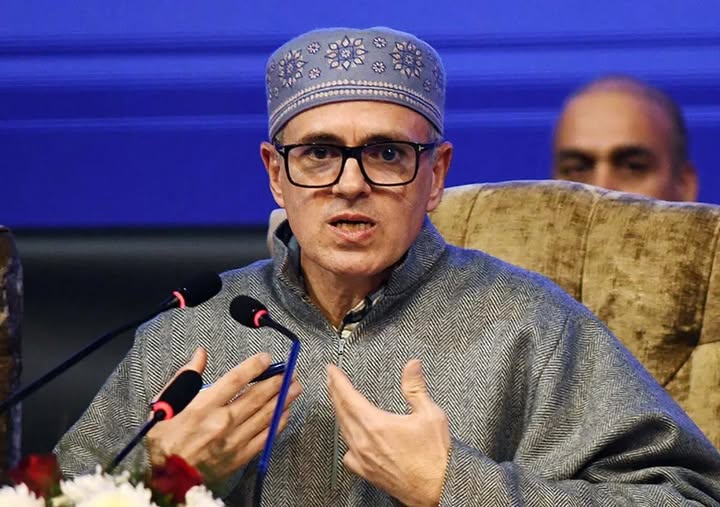
Jammu & Kashmir Chief Minister Omar Abdullah has strongly welcomed the suspension of the Indus Waters Treaty (IWT), asserting that the decades-old agreement has systematically harmed the region’s developmental interests and deprived it of rightful control over its own rivers.
Calling the move a long-overdue correction, Omar Abdullah said Jammu & Kashmir must now fully harness its water resources for electricity generation, irrigation, navigation, and long-term water security.
“The Treaty Hurt Jammu & Kashmir”
Omar Abdullah argued that while the Indus Waters Treaty was framed as a peace-building mechanism between India and Pakistan, Jammu & Kashmir paid the highest price for it.
According to him:
-
The treaty restricted J&K from optimally using rivers that originate in its territory
-
Hydropower potential remained underutilised
-
Water scarcity persisted in parts of Jammu despite abundant river systems
“The people of Jammu & Kashmir have suffered for decades due to decisions taken without their consent,” he said, reiterating his long-standing opposition to the treaty.
Key Projects Omar Abdullah Wants Revived
Tulbul Navigation Barrage (Jhelum / Wular Project)
-
Intended to regulate water flow from Wular Lake into the Jhelum River
-
Would help in:
-
Increasing hydropower generation
-
Restoring river navigation
-
Supporting tourism and flood management
-
The project has remained stalled for decades due to objections under the Indus Waters Treaty.
Chenab River Utilisation for Jammu
Omar Abdullah said tapping the Chenab River could:
-
Solve Jammu’s water scarcity for the next 30 years
-
Support irrigation and urban water supply
-
Reduce dependency on seasonal rainfall
He described this as a strategic necessity, not merely a development project.
Why the Issue Matters
Development and Energy Security
J&K has one of the highest hydropower potentials in India but produces only a fraction of it. Greater control over rivers could:
-
Boost clean energy production
-
Reduce power deficits
-
Strengthen the local economy
Political Assertion
The statement signals a renewed push for regional resource autonomy, aligning with broader demands for statehood and greater self-governance.
Risks and Challenges Ahead
International and Diplomatic Fallout
The Indus Waters Treaty, signed in 1960, is considered one of the world’s most durable water-sharing agreements. Any suspension or prolonged deviation could:
-
Escalate tensions with Pakistan
-
Invite international scrutiny
-
Complicate India’s diplomatic posture
Legal and Environmental Hurdles
Even with treaty constraints eased:
-
Major projects require central government clearance
-
Environmental concerns around Wular Lake and river ecosystems remain significant
-
Large-scale infrastructure demands long-term investment and planning
Political Context
Omar Abdullah has consistently criticised the Indus Waters Treaty as unfair to Kashmir, arguing that decisions affecting local resources were taken without regional consultation.
His renewed call reflects:
-
Growing frustration over stalled projects
-
A broader debate on federal rights
-
Increasing emphasis on economic self-reliance
Bottom Line
Omar Abdullah’s endorsement of the Indus Waters Treaty suspension marks a bold political and developmental stance, placing water rights at the centre of Jammu & Kashmir’s future.
While the move promises economic and energy benefits, it also opens up complex diplomatic, legal, and environmental challenges. How New Delhi balances regional aspirations with international commitments will determine whether this moment becomes a turning point—or another missed opportunity—for Jammu & Kashmir.