Uttarakhand Attacks Force Kashmir Youth to Look Inwards: Omar Abdullah on Safety, Jobs and Dignity
By: Javid Amin | 30 January 2026
When Livelihood Becomes a Risk
For decades, thousands of young men from Kashmir have travelled across India every winter, selling shawls, dry fruits, handicrafts and seasonal goods. It has been a survival strategy born out of limited local opportunities and a fragile regional economy. But a series of recent attacks on Kashmiri vendors in Uttarakhand and Himachal Pradesh has shaken that model — and forced a painful question into the open: Is it still safe for Kashmiri youth to earn a living outside their homeland?
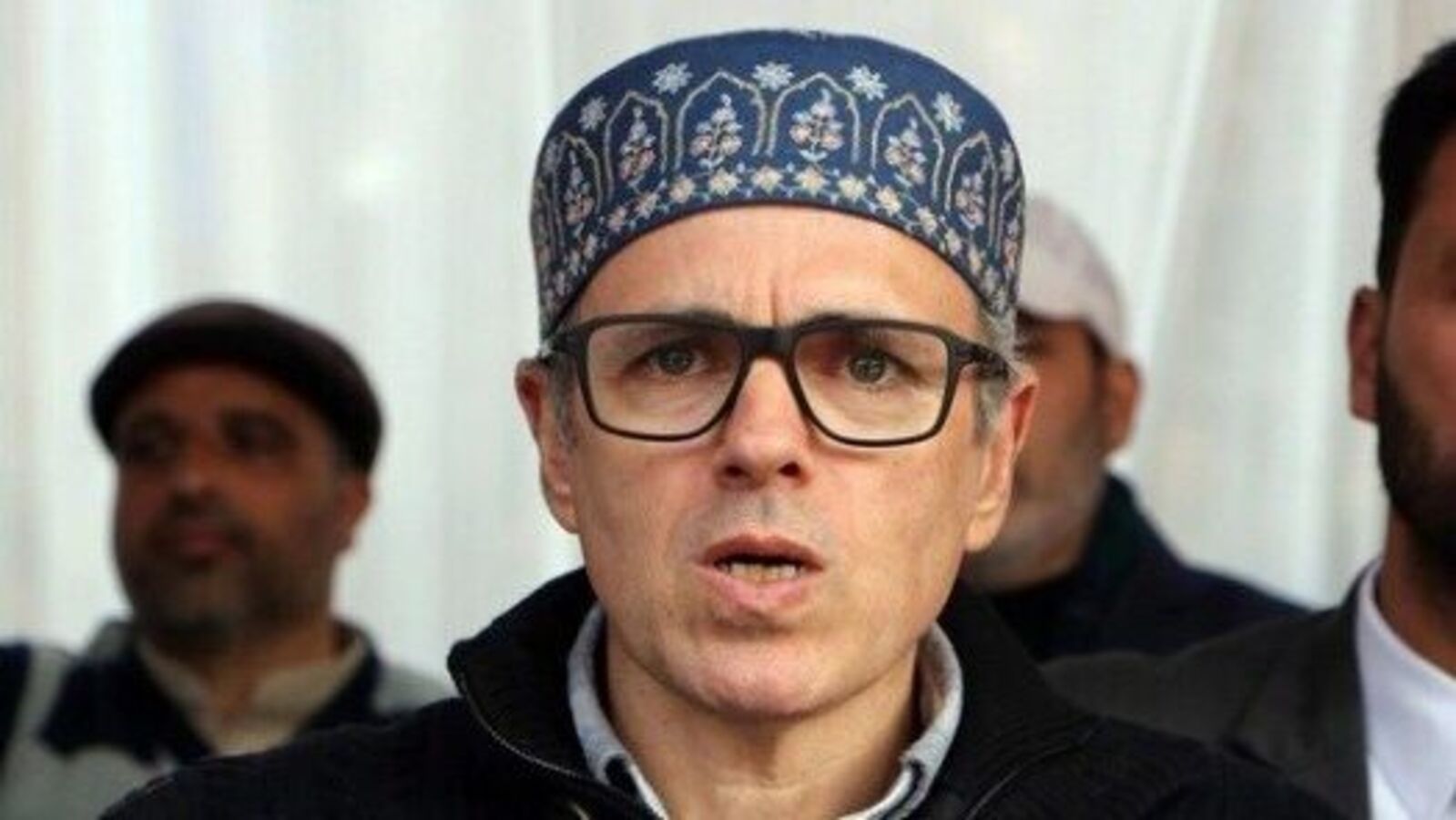
Jammu & Kashmir Chief Minister Omar Abdullah’s sharp remarks following the assault on two Kashmiri shawl sellers in Uttarakhand have given voice to that anxiety. His statement — “I cannot ask my people to leave J&K and seek employment elsewhere” — is being read not just as condemnation of violence, but as a political and moral reckoning with the future of Kashmiri youth.
This in-depth feature examines the attacks, the political response, and the broader debate they have reignited around migration, safety, dignity, and economic self-reliance in Jammu & Kashmir.
The Uttarakhand Attack — What Happened
Assault on Kashmiri Shawl Sellers
Earlier this week, two Kashmiri shawl sellers were assaulted in Uttarakhand, triggering outrage across Jammu & Kashmir. In the most disturbing case, Tabish Ahmad, an 18-year-old Kashmiri youth, was brutally beaten, leaving him with serious injuries and fractures.
Videos showing the injured teenager circulated widely on social media, amplifying public anger and fear. The visuals were stark: a young boy, far from home, bloodied while trying to earn an honest living.
Pattern, Not an Isolated Case
What made the incident particularly alarming was that it was not isolated. Similar attacks and harassment of Kashmiri vendors have been reported in Himachal Pradesh and other northern states, especially during the winter season when Kashmiri traders travel outside the Valley.
For many in Kashmir, these incidents point to a troubling pattern rather than random violence.
Omar Abdullah Speaks — A Line Drawn
“I Cannot Ask My People to Leave J&K”
Reacting to the attack, Omar Abdullah made a statement that resonated deeply across the region:
“I cannot ask my people to leave Jammu & Kashmir and seek employment elsewhere.”
The remark underscored a sense of responsibility — not only as a political leader, but as a representative of a community that has long relied on seasonal migration for survival.
Looking Inward for Livelihoods
Abdullah said repeated harassment and violence outside the Union Territory are forcing Kashmiri youth to look inward — toward local opportunities — not by choice, but by fear.
He stressed the urgent need to:
- Build a robust local economy
- Promote start-ups and entrepreneurship
- Create sustainable, dignified employment within Jammu & Kashmir
His message was clear: safety cannot be separated from economics.
Political Outreach and Immediate Response
Call to Uttarakhand CM
Omar Abdullah personally spoke with Uttarakhand Chief Minister Pushkar Singh Dhami, raising the issue of the assault and demanding strict action.
Following the intervention:
- FIRs were registered
- Uttarakhand Police confirmed legal action against the perpetrators
- The prime accused in the Dehradun case was arrested
Condemnation Across Parties
The attack drew condemnation from across the political spectrum:
- Mirwaiz Umar Farooq termed the assault deeply disturbing
- BJP leader Ashok Kaul also condemned the violence
- Congress leaders described it as a sign of “rising intolerance”
Despite political differences, there was rare consensus that such attacks are unacceptable.
‘Rising Intolerance’ — A Growing Concern
Leaders Sound the Alarm
Several J&K leaders warned that attacks on Kashmiri traders are becoming more frequent and more brazen, particularly in BJP-ruled states.
They argue that:
- Kashmiri identity increasingly attracts suspicion
- Economic migrants are being politicised
- Small traders are becoming easy targets
Beyond Law and Order
For many, this is no longer just a policing issue. It reflects deeper social fractures — where regional identity, religion, and politics intersect dangerously.
Migration and the Kashmiri Economy
Why Kashmiri Youth Leave
Seasonal migration is not a cultural preference; it is an economic necessity. Limited industrial growth, constrained private investment, and years of instability have left few options for young people.
Selling shawls, handicrafts, and dry fruits outside J&K has long filled that gap.
When Migration Turns Risky
Recent attacks have introduced a new variable: physical insecurity. Parents now question whether sending their children outside the Valley is worth the risk.
This fear is already reshaping choices.
The Jobs Debate Rekindled
Support for Abdullah’s Stand
Supporters say Omar Abdullah’s remarks reflect empathy and realism. They argue:
- No citizen should have to choose between livelihood and safety
- Economic self-reliance is essential for dignity
- Local job creation must be a governance priority
Critics Push Back
Critics caution against discouraging interstate mobility. They argue that:
- Freedom to work anywhere is a constitutional right
- The focus should be on ensuring safety nationwide, not limiting movement
- Integration, not inward retreat, strengthens the nation
The debate is now firmly in the public domain.
Youth Voices — Between Fear and Aspiration
Young Kashmiris express mixed emotions:
- Fear of harassment outside the Valley
- Frustration over limited opportunities at home
- Desire for dignity, not dependency
Many say they want both: safety across India and meaningful work within Kashmir.
What Needs to Change
Immediate Measures
Leaders and civil society groups suggest:
- Swift justice in attack cases
- Stronger protection mechanisms for migrant workers
- Coordination between states
Long-Term Solutions
- Incentives for local entrepreneurship
- Tourism-linked employment
- Skill development aligned with regional strengths
- Private sector confidence-building
Conclusion: Jobs, Safety, and the Question of Belonging
The Uttarakhand attacks have done more than injure young Kashmiri traders. They have shaken confidence, reopened old wounds, and forced a hard conversation about where Kashmiri youth truly belong — and whether they are safe when they step outside their home region.
Omar Abdullah’s remarks capture that moment of reckoning. This is no longer just about employment numbers or law-and-order statistics. It is about dignity, security, and the right to earn without fear.
How India responds — through justice, policy, and empathy — will shape not just Kashmir’s economy, but the idea of national belonging itself.