Hate Crimes Against Minorities Biggest Blot on Humanity: PDP Leader Waheed Para
By: Javid Amin | 10 January 2026
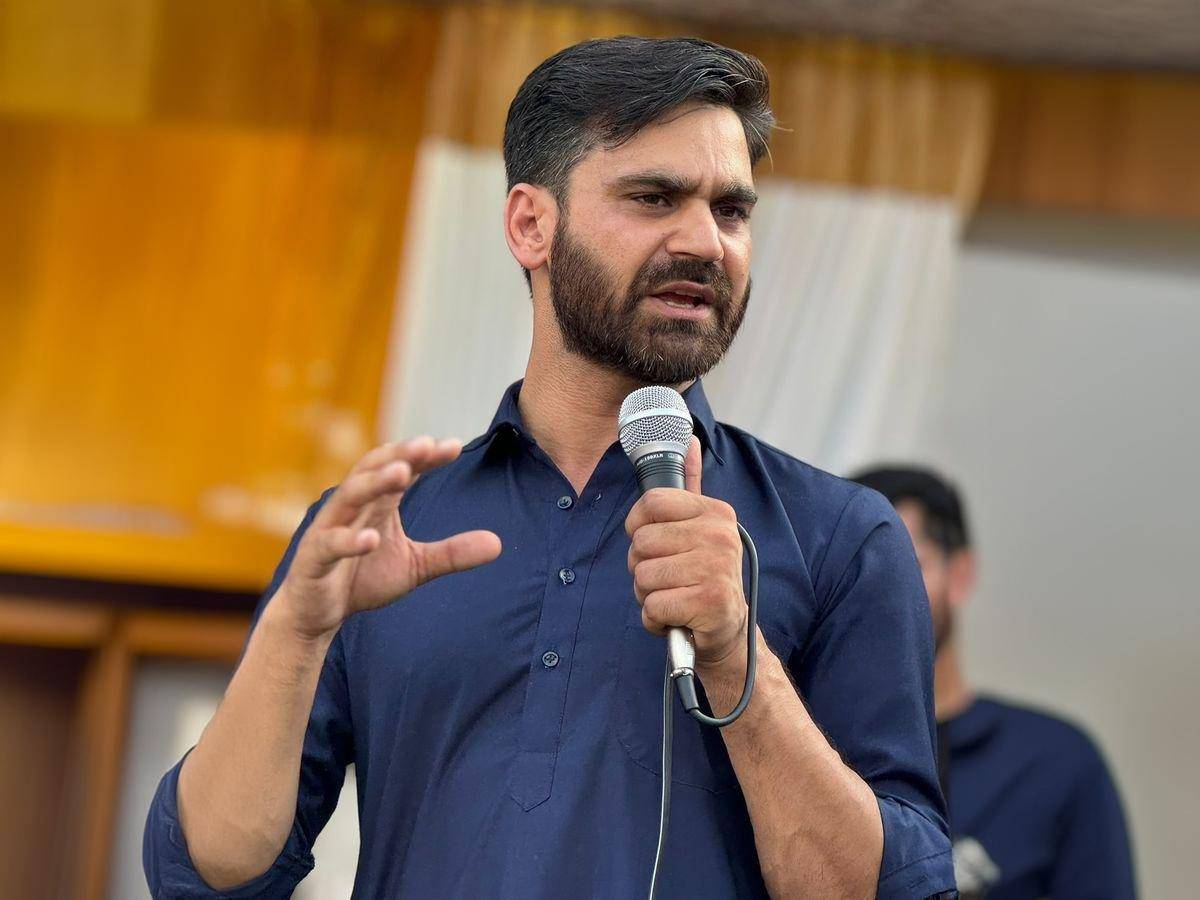
People’s Democratic Party (PDP) leader Waheed Para has strongly condemned the rise in hate crimes against minorities, describing them as “the biggest blot on humanity” and warning that the politics of hatred unfolding across South Asia is dangerously eroding social harmony.
Speaking amid growing debates over communal polarisation, Para said violence and discrimination targeting minorities—whether in India, Pakistan, or Bangladesh—pose a grave threat to the region’s moral and democratic foundations.
“Hate Cannot Be Normalised”
Waheed Para stressed that hate crimes are not isolated incidents but reflect systemic political failures.
“Attacks on minorities are unacceptable anywhere. When hatred becomes a political tool, society begins to fracture,” he said, urging governments and political actors to draw clear red lines against communal violence.
He added that silence or selective outrage only emboldens perpetrators and weakens democratic institutions.
Hindu–Muslim Brotherhood Is India’s Strength
Highlighting India’s pluralistic identity, Para said Hindu–Muslim coexistence remains the country’s greatest strength and historical foundation.
According to him:
-
India’s resilience lies in diversity, not dominance
-
Communal harmony is essential for national unity
-
Undermining coexistence weakens the idea of India itself
He cautioned that attempts to redefine citizenship or belonging on religious lines risk long-term social damage.
Regional Warning Beyond India
Para expanded his remarks beyond domestic politics, warning that hate-driven politics across South Asia is producing similar outcomes.
Referring to India, Pakistan, and Bangladesh, he said:
-
Majoritarian politics is destabilising societies
-
Minorities are increasingly insecure
-
Hate narratives travel across borders, reinforcing each other
“The subcontinent shares history, culture, and trauma. The spread of hatred anywhere in South Asia is a danger everywhere,” he said.
Link to J&K Education Controversy
Waheed Para also connected the issue of hate crimes to the recent controversy surrounding the cancellation of admissions of Muslim students at a medical institute in Jammu & Kashmir.
He described the episode as part of a broader politics of exclusion, arguing that:
-
Education should be a bridge, not a battleground
-
Collective punishment of students deepens alienation
-
Such decisions must be examined through a human rights lens
He warned that turning educational institutions into ideological arenas risks damaging future generations.
Why His Statement Matters
Human Rights Perspective
Hate crimes undermine:
-
Personal safety
-
Dignity and equality
-
Trust between communities
They also weaken the rule of law when not addressed decisively.
Political Positioning
Para’s remarks place him among political voices in J&K advocating:
-
Inclusive governance
-
Constitutional values
-
Rejection of communal polarisation
Regional Significance
By invoking South Asia as a whole, the statement frames hate crimes as a shared civilisational challenge, not a country-specific problem.
Challenges Ahead
-
Deepening Polarisation: Such statements can intensify political backlash in already sensitive regions
-
Policy Gap: Moral condemnation must be backed by legal accountability and institutional reform
-
Volatile Context: Communal incidents often escalate rapidly, affecting internal stability and regional relations
Bottom Line
Waheed Para’s condemnation of hate crimes frames the issue not merely as a law-and-order concern, but as a fundamental moral crisis facing South Asia. His warning is clear: societies built on fear and exclusion cannot sustain democracy, stability, or humanity.
The choice, he suggests, is between brotherhood and breakdown—and the consequences will shape the region’s future.