Centre Suspends Three Railway Projects in Jammu & Kashmir
By: Javid Amin | 03 February 2026
In a significant policy reversal, the Central government has put three proposed railway projects in Jammu & Kashmir on hold after facing sustained opposition from the elected union territory government, Members of Parliament, and local farming communities over concerns about destruction of valuable apple orchards and threats to livelihoods.
Union Railway Minister Ashwini Vaishnaw announced that the decision to halt the projects — which were still in preliminary stages — followed objections raised due to fears of extensive land acquisition and potential damage to horticulture-rich areas. Although the minister did not name all three schemes, the line to Pahalgam (Bijbehara–Pahalgam) — one of the most contested proposals — is understood to be included among them.
The decision has been welcomed across political lines within Jammu & Kashmir, with major regional parties describing it as a victory for farmers and rural communities.
Why the Projects Were Halted: Orchard Protection and Farmer Opposition
The halted proposals would have routed new railway lines through some of Kashmir Valley’s most fertile apple-producing districts, including Pulwama, Shopian, and Anantnag. Local residents and horticulturists argued that land acquisition for track alignments would necessitate uprooting thousands of apple trees, jeopardizing both the region’s economy and individual farmers’ livelihoods.
Apple farming forms a cornerstone of Kashmir’s agrarian economy, employing large numbers of rural families and contributing significantly to agricultural output. According to recent reporting, up to seven lakh apple trees — representing the backbone of many growers’ incomes — were estimated to be at risk from these railway alignments.
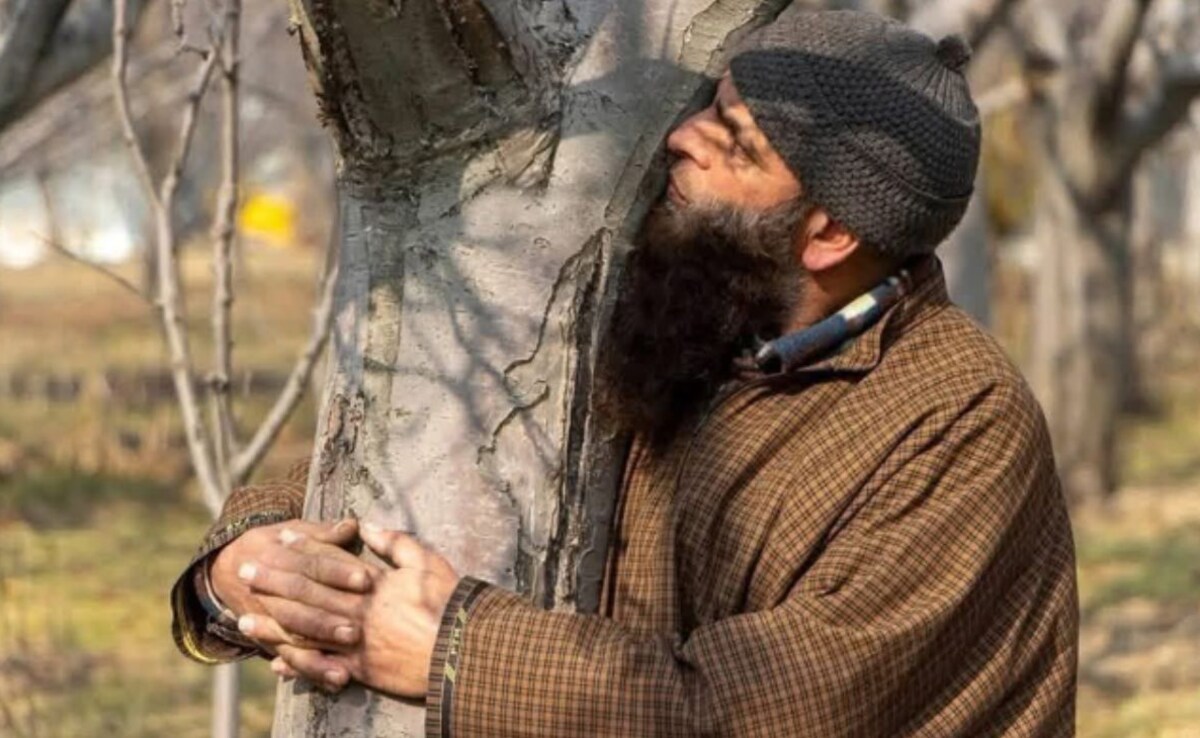
Farmers responded with campaigns urging authorities to reconsider the plans, including social-media protests and direct engagement with elected leaders. Some communities staged symbolic orchard preservation acts, successfully drawing attention to the potential economic and environmental costs of the proposed infrastructure.
Political Reactions: NC and PDP Welcome Decision
The suspension of the projects drew quick praise from Jammu & Kashmir’s major regional political parties:
National Conference (NC)
The NC thanked Chief Minister Omar Abdullah and the union territory’s MPs for intervening decisively to halt the contentious lines. The party said the decision protected local livelihoods and safeguarded orchard land that would have been affected by the tracks between Anantnag–Pahalgam and Anantnag–Shopian. It characterized the move as an example of responsive governance that listens to public concerns.
Peoples Democratic Party (PDP)
PDP president Mehbooba Mufti called the decision a “much-needed relief” for Kashmir’s agrarian economy, emphasizing that development should not come at the cost of farmers’ land and livelihood. She urged that future infrastructure planning include meaningful consultation with local communities to prevent similar conflicts.
Government Perspective and Future Priorities
In his statement, Railway Minister Ashwini Vaishnaw reiterated that local concerns about orchard damage and economic effects were central to the decision to pause the projects. He said the road infrastructure in many contested areas was already sound and that future connectivity plans should be carefully calibrated to local development needs and environmental considerations.
The ministry also noted ongoing expansion of rail connectivity in the region, pointing out that investments in existing routes — including the celebrated Vande Bharat Express service — continued to strengthen Jammu & Kashmir’s access while balancing local priorities.
Impact on Farmers, Communities, and the Economy
Apple Orchards & Livelihoods
For farmers, the decision represents immediate relief. The apple sector — a labour-intensive part of Kashmir’s rural economy — faces mounting challenges, including transport disruptions and climatic stressors in recent seasons. Preserving orchard land ensures that farmers can continue production without the added pressure of losing acreage to infrastructure alignments.
Local Sentiment
Growers and village representatives welcomed the halt as a recognition of grassroots resistance. Many stressed that economic infrastructure must not be pursued at the expense of traditional livelihoods, especially where alternative transportation already exists.
Balancing Connectivity with Conservation
While enhanced rail connectivity can bring tourism and logistical benefits — especially in remote and high-altitude areas — policymakers now face the challenge of designing routes that minimize disruption to vital agricultural zones. This decision is likely to set a precedent where detailed environmental and socioeconomic assessments take precedence before project implementation.
Development vs. Livelihoods: A Broader Debate
The halt highlights a key tension in infrastructure planning: the promise of connectivity and development versus the rights and livelihoods of local communities. In regions like South Kashmir, where horticulture remains a primary source of income, the social costs of land acquisition can outweigh speculative economic gains from new transport links.
Analysts suggest that this episode may encourage more participatory planning processes, with increased emphasis on public consultation and impact assessments before project approvals — particularly in regions with fragile ecosystems and tightly knit agricultural economies.
Key Takeaway
The suspension of three railway projects in Jammu & Kashmir — especially the contentious Bijbehara–Pahalgam line — underscores the power of community resistance and political intervention to reshape development priorities. By prioritizing orchard protection and farmer concerns, the Centre’s decision stands as a notable example of balancing infrastructural ambition with ecological sustainability and livelihood security.

