Iran’s Khamenei Warns US Attack Would Trigger Regional War — What the World Must Know
By: Javid Amin | 01 February 2026
Deep Analysis: Regional Implications, Diplomatic Cascades, Military Postures, and What Comes Next
A Warning That Resonates Across Capitals
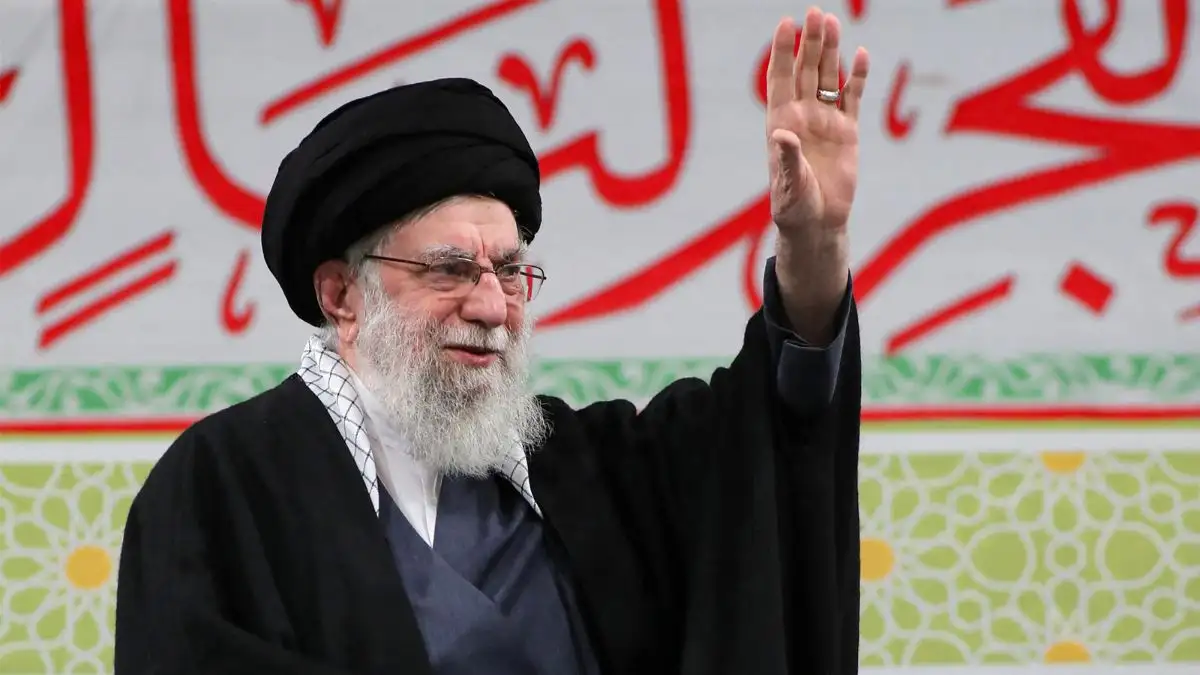
Iran’s Supreme Leader Ayatollah Ali Khamenei issued one of his most forceful statements in recent years on February 1, 2026, declaring that any military attack by the United States against Iran would not only fail to be contained but would inevitably expand into a broader regional war.
His comments, reported by semi-official Iranian media and state agencies, come at a moment of heightened tension between Tehran and Washington — with American military assets massed in the Middle East, nuclear negotiations in flux, and Iran’s internal protest movement still fresh in global headlines.
This article explains why Khamenei’s warning matters, what led to this dramatic public stance, how regional actors are reacting, and the strategic implications for global security.
1. The Statement — What Khamenei Actually Said
Khamenei’s message was unambiguous: “The Americans should know that if they start a war, this time it will be a regional war.”
He framed his warning as defensive rather than aggressive, insisting Iran does not seek conflict or to invade other countries, but will retaliate decisively against any attack. This is consistent with his longstanding strategic posture — projecting strength while denying brinksmanship.
He made these remarks in Tehran during events marking the anniversary of Iran’s 1979 Islamic Revolution — a symbolic setting underscoring the ideological and historical context of his message.
2. Why Now? The Strategic Context of Heightened Tensions
U.S. Military Posture in the Region
In recent weeks, Washington significantly increased its naval presence in the Persian Gulf and Arabian Sea, including aircraft carriers and destroyers — a move officially justified as deterrence but interpreted by Tehran as intimidation.
This deployment came amid threats from U.S. leadership — particularly then-President Donald Trump — that military options remain on the table if Iran did not end violent repression of protesters, halt destabilizing activities, or agree to more stringent nuclear terms.
The Aftermath of Iran’s Internal Unrest
The warning also followed months of anti-government protests sparked by economic conditions, then escalating into broad political dissent. Iranian authorities have reported over 3,000 deaths, a figure contested by rights groups claiming the toll could be far higher.
Iran’s leadership has dismissed these protests as a foreign-backed “coup attempt” — rhetoric designed to frame internal dissent as external aggression, thereby justifying hardline security measures and reinforcing domestic unity behind the state.
3. Regional Stakes — Why This Matters Beyond Tehran and Washington
Mideast geopolitics is an intricate web of alliances, rivalries, and historical grievances. Khamenei’s warning resonates far beyond Iran’s borders because:
a. The Strait of Hormuz and Global Energy Security
The Strait of Hormuz — a narrow maritime chokepoint — sees about one-fifth of the world’s oil transit. Any military escalation there could disrupt global energy markets and trigger wider economic instability.
b. Proxy Networks and Influence
Iran’s regional influence — partly exercised through non-state proxies in Iraq, Lebanon (Hezbollah), Yemen (Houthis), and Syria — means any conflict could quickly draw in actors with their own agendas. While none directly rival Iran militarily, combined they complicate any notional “localized” conflict. Analysts see this as a potential vector for broader war. (Context built from standard regional analyses.)
c. Arab States and Regional Diplomacy
Key U.S. partners in the Gulf, such as Saudi Arabia, the UAE, and Qatar, have interests that do not necessarily align with full-scale war. Several have been involved in quiet diplomatic efforts to reduce tensions, balancing concerns about Iran’s regional influence with the risks of open conflict.
4. Washington’s Response — Diplomacy and Rhetoric
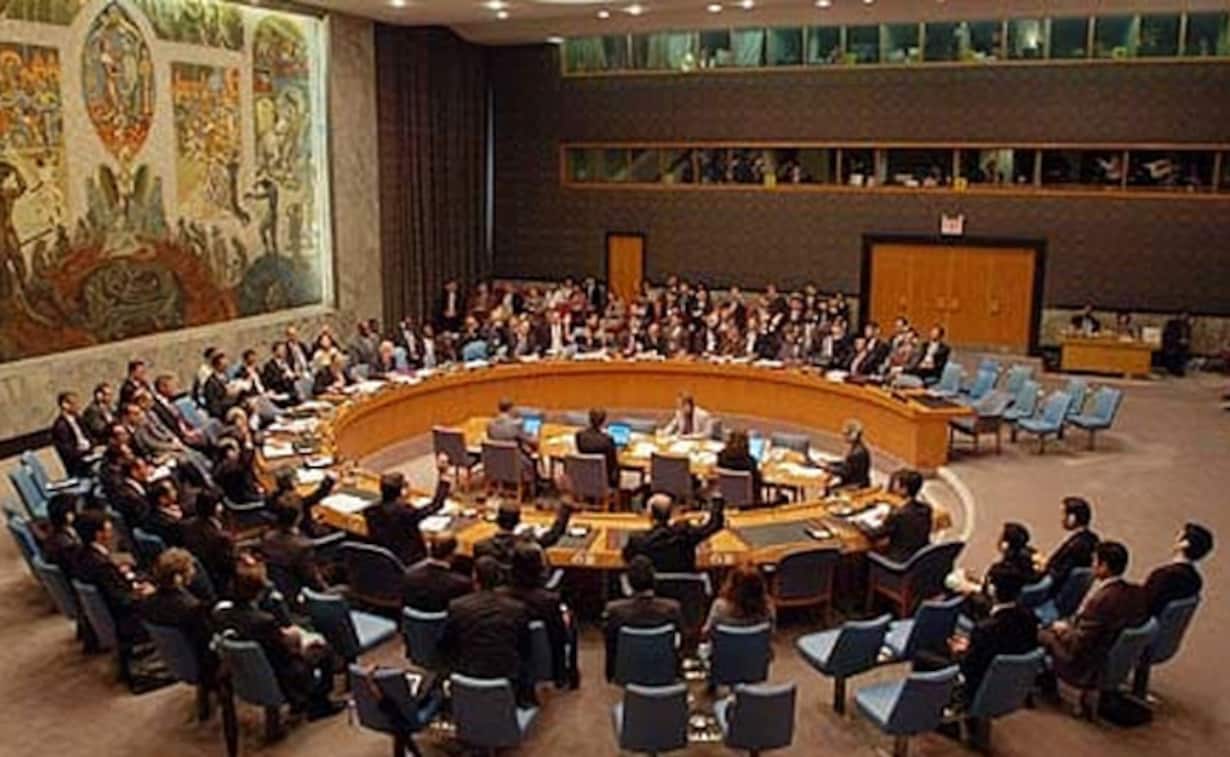
In response to Khamenei’s comments, Washington publicly emphasized that diplomacy remains preferable and that Iran has not definitively crossed lines that would trigger military action. Multiple U.S. statements reiterated negotiations and engagement over conflict.
The U.S., however, continues to maintain “all options on the table” rhetoric, a phrase that conveys resolve but also increases volatility in diplomatic signaling.
5. Iran’s Dual Messaging: Defense and Defiance
Khamenei’s message carried two parallel threads:
Defiance:
Emphasizing Iran’s readiness to defend itself and frame external pressure as historically predictable but ineffective.
Diplomacy:
Officials in Tehran simultaneously signaled willingness to negotiate “fairly” on matters such as nuclear capabilities, making clear that diplomatic avenues remain, provided Iran’s core interests are respected.
This duality — tough-talk for deterrence, willingness to talk for de-escalation — is classic Iranian strategic posture.
6. Broader Geopolitical Implications
Europe’s Role — Escalation or Mediation?
In response to Iran’s crackdown on protesters, the European Union designated Iran’s Revolutionary Guard as a terrorist organization. Tehran retaliated by designating European militaries as terrorist groups, a largely symbolic but diplomatically provocative act.
This escalation complicates European efforts to act as intermediaries and could reduce Western leverage for peaceful negotiation.
Global Power Dynamics — U.S., Russia, and China
The rising tensions in the Middle East interact with larger geopolitical rivalries. Russia and China, both having strategic ties with Iran, may see opportunities to counterbalance U.S. influence — while the U.S.’s historical alliances and interests in the region are being tested.
This broader strategic competition adds layers of complexity to any conflict scenario.
7. Scenarios: How Could This Play Out?
Best-Case:
Diplomacy prevails — tense negotiation leads to an agreement avoiding military conflict while addressing core security concerns on both sides.
Middle Ground:
Limited skirmishes or tit-for-tat incidents occur without full war — but regional instability increases, threatening energy markets and civilian security.
Worst-Case:
A miscalculation or direct attack triggers widespread military escalation across the region, involving state and non-state actors — exactly what Khamenei warned against.
All these scenarios hinge on political will, strategic calculus, and international restraints.
Conclusion: A Warning With Global Repercussions
Ayatollah Ali Khamenei’s warning that a U.S. attack on Iran would spark a “regional war” is not mere rhetoric — it reflects a convergence of military posturing, domestic political pressures, and longstanding geopolitical fault lines.
Whether this warning functions as deterrence, a negotiating lever, or a genuine threat depends on how Washington, Tehran, and other key regional actors choose to act in the coming days.
The world watches at a tense moment — with diplomatic channels, strategic interests, and regional stability all hanging in the balance.