Kashmir’s Summers Are Getting Warmer — And the Valley Can Feel It
By: Javid Amin | 12 February 2026
Climate Signals, Water Stress, and a Changing Himalayan Rhythm
The Season That No Longer Feels the Same
Ask longtime residents of Kashmir to describe summer today, and many will pause before answering. The hesitation itself tells a story.
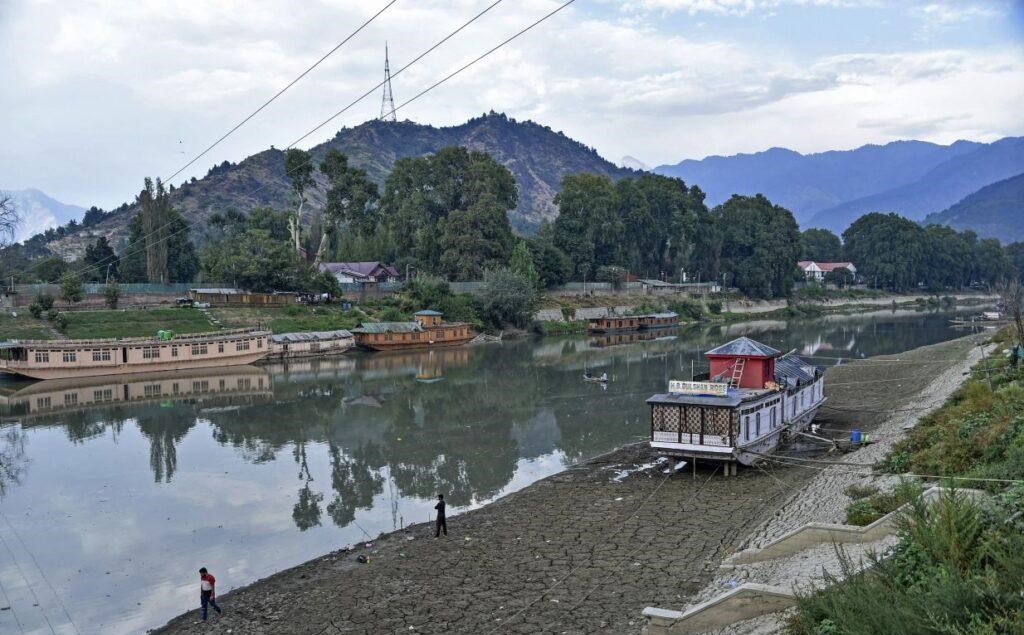
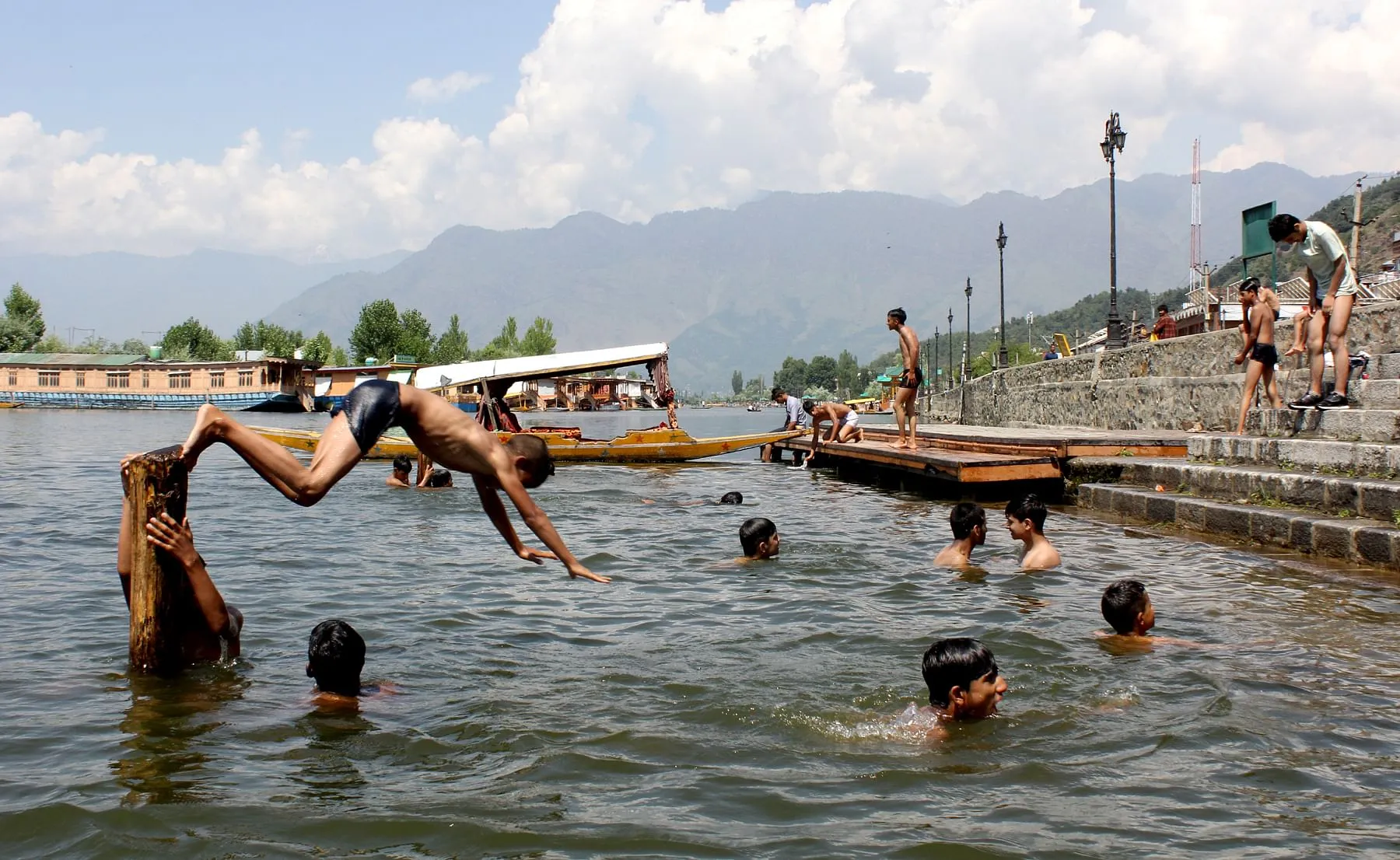
The valley once celebrated summer as relief — a gentle season of soft sunshine, cool evenings, and alpine air that attracted travelers from across India. But in recent years, that familiar rhythm has shifted. Summers feel longer. Afternoons feel heavier. Snow disappears earlier. Streams run lower by late July.
The change is subtle enough to avoid headlines, yet strong enough to alter daily life. And environmental scientists say this perception is not nostalgia — it aligns with measurable warming patterns across the western Himalayas.
Kashmir is not experiencing an isolated anomaly. It is participating in a regional climate transition.
A Climate Hotspot in Slow Motion
The Himalayas are warming faster than the global average. Researchers classify the mountain chain as a climate hotspot — a region where temperature increases are amplified by geography, elevation, and atmospheric circulation.
Several long-term observations support this:
-
Rising average seasonal temperatures
-
Earlier snowmelt cycles
-
Reduced snow persistence
-
More erratic precipitation patterns
-
Longer dry spells between weather systems
Kashmir sits within a sensitive hydrological zone. Its rivers, wetlands, orchards, and urban water systems depend heavily on snowpack accumulated in winter. When that snow melts earlier or arrives irregularly, summer conditions change.
This is not about one hot year. It is about a shifting baseline.
The Snow That Used to Last
Snow historically functioned as Kashmir’s natural air conditioner. A thick winter snowpack reflected sunlight and cooled the valley through gradual melt.
When snow vanishes early:
-
Land absorbs more solar heat
-
Soil dries faster
-
Surface temperatures rise
-
Warm air persists longer
Scientists call this a snow-albedo feedback loop. Less snow leads to more warming, which leads to even less snow retention.
Residents notice it in practical ways:
-
Ski seasons end earlier
-
Glacier viewpoints shrink
-
Spring arrives sooner
-
Summer heat builds faster
The landscape is still beautiful. But its seasonal tempo is accelerating.
Water: The Hidden Axis of the Story
Temperature grabs attention. Water defines survival.
Kashmir’s hydrology depends on gradual snowmelt feeding rivers like the Jhelum and sustaining wetlands, orchards, and rice paddies. A compressed melt cycle creates two problems:
-
Early surplus — too much water too quickly
-
Late scarcity — not enough water when needed
This imbalance threatens:
-
Irrigation reliability
-
Drinking water reserves
-
Wetland ecosystems
-
Urban supply systems
-
Agricultural productivity
Water managers worry less about floods and more about timing. A river that peaks too early cannot support late-summer demand.
This is how warming quietly restructures entire economies.
Agriculture Under Pressure
Kashmir’s agricultural calendar evolved around predictable seasons. Apples, saffron, rice, and horticulture depend on stable temperature bands and water timing.
Warmer summers introduce new variables:
-
Increased evapotranspiration (faster water loss from soil)
-
Shifts in flowering and fruiting cycles
-
Heat stress on crops
-
Pest range expansion
-
Irrigation strain
Apple growers, in particular, are sensitive to temperature drift. Apples require specific chill hours in winter followed by gradual warming. When that sequence compresses, fruit quality and yield may fluctuate.
Farmers are adapting — experimenting with crop timing, irrigation methods, and elevation shifts — but adaptation has limits.
Climate variability introduces risk into livelihoods that historically relied on seasonal predictability.
Tourism: Opportunity and Fragility
Warmer summers bring paradoxical effects for tourism.
On one hand:
-
Roads remain open longer
-
High passes become accessible
-
Trekking windows expand
-
Travel planning becomes easier
On the other:
-
Snow-based tourism contracts
-
Glacier landscapes shrink
-
Alpine ecosystems face stress
-
Urban heat reduces comfort in Srinagar
Tourism thrives on Kashmir’s identity as a cool escape. If baseline temperatures rise, the valley must redefine its competitive advantage — emphasizing altitude diversity, ecological tourism, and cultural experiences rather than temperature alone.
Climate change is not eliminating tourism. It is reshaping its economics.
Urban Kashmir: Heat Without Infrastructure
Unlike hot plains cities, Srinagar was not designed for sustained heat.
Traditional architecture assumed cool summers:
-
Limited air conditioning infrastructure
-
Narrow ventilation systems
-
Dense urban layouts
-
Water networks calibrated for lower demand
As temperatures creep upward, urban adaptation lags behind. Increased fan and cooling usage raises energy demand. Water consumption spikes earlier in the season. Heat exposure affects vulnerable populations disproportionately.
Urban climate resilience will become a planning priority.
The Emotional Geography of Change
Climate change is often framed through data. But in Kashmir, it is also cultural.
Seasons shape identity. Poetry, festivals, agriculture, clothing, and architecture all evolved around a predictable climate rhythm. When residents say summer feels different, they are expressing a form of environmental memory.
This memory matters.
It captures lived experience that statistics cannot fully convey: a sense that the valley’s personality is evolving.
Climate change is not only physical. It is psychological and cultural.
What Experts Expect Next
Scientists studying Himalayan climate trends do not predict desertification or catastrophic heat. Kashmir will remain cooler than surrounding plains due to elevation.
But they anticipate:
-
Gradual temperature rise
-
Increased seasonal variability
-
Water management challenges
-
Ecosystem pressure
-
More frequent climate anomalies
The danger lies not in extremes, but in accumulation. Small changes compound over decades.
That is how climates transform.
Adaptation Is Still Possible
The future is not fixed. Kashmir retains advantages:
-
High-altitude climate buffer
-
Strong hydrological heritage
-
Agricultural diversity
-
Tourism flexibility
-
Cultural resilience
Adaptation strategies could include:
-
Modern water storage systems
-
Climate-smart agriculture
-
Urban cooling design
-
Glacier monitoring
-
Wetland restoration
-
Seasonal tourism diversification
The earlier adaptation begins, the smoother the transition.
Climate awareness is itself a resource.
A Valley in Transition
Kashmir is not losing its beauty. It is entering a new climatic chapter.
Summers may feel warmer. Snow may retreat sooner. Water may require smarter stewardship. But the valley remains a mountain ecosystem — dynamic, adaptive, and resilient.
The phrase “summer has bad intentions” captures an emotional truth: people sense the shift before institutions do.
And sensing change is the first step toward managing it.
Kashmir’s story is not one of crisis. It is one of transformation — slow, complex, and still unfolding.