Another Kashmiri Shawl Seller Assaulted in Himachal Pradesh: Rising Violence and Vulnerability of Migrant Traders in Northern India
By: Javid Amin | 02 February 2026
A Renewed Pattern of Violence
A troubling cycle of violence against Kashmiri shawl sellers and Muslim traders in northern India has drawn sharp national attention. Shortly after two young Kashmiri brothers were grievously assaulted while selling shawls in Uttarakhand’s Dehradun region, another Kashmiri trader was reportedly harassed and physically attacked in Himachal Pradesh’s Kangra district. Civil society, student unions, and political leaders have condemned these incidents, describing them as part of a larger pattern of identity-based intimidation and hate crimes against migrant businessmen operating outside Jammu & Kashmir.
The Himachal Pradesh Incident: Mohd Ramzan’s Ordeal
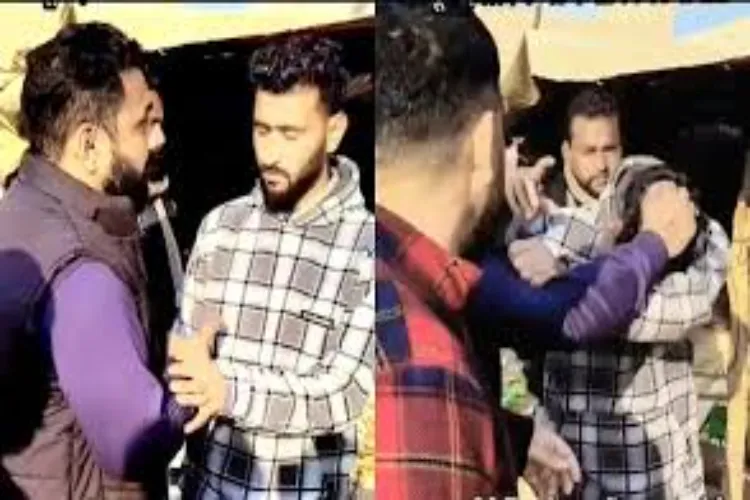
In early February 2026, reports emerged from Kangra district in Himachal Pradesh that a seasonal shawl vendor named Mohammad Ramzan was allegedly confronted, harassed, and assaulted while conducting his business.
According to statements from the Jammu & Kashmir Students Association (JKSA) and corroborated by multiple local news outlets, the sequence of events was deeply disturbing:
-
Identity Questioned: Mr. Ramzan was stopped while selling shawls and was compelled to repeatedly “prove” his identity and nationality despite producing valid documentation.
-
Threatened and Humiliated: Witnesses say he was told to leave the state and mocked — his bundles were searched, and he was derisively accused of carrying an “AK-47” instead of traditional Kashmir shawls.
-
Physical Assault: Reports further allege that he was physically assaulted during the confrontation by a local man identified as Surjeet Rajput Guleria, who local traders claim has been linked to multiple similar confrontations with Kashmiri shawl sellers in recent weeks.
Community leaders characterize this behavior as not only unlawful but symptomatic of deepening communal hostility that threatens the safety and dignity of migrant traders.
This case is not isolated: according to some local accounts, it marks the fourth such incident in Himachal Pradesh this season, a worrying indicator of systemic intimidation rather than random altercations.
Uttarakhand Assaults: Triggering National Outrage
Brutal Beating in Vikas Nagar
Just days prior to the Himachal case, two Kashmiri brothers selling shawls in Uttarakhand’s Vikas Nagar (Dehradun) were brutally assaulted.
-
Victims’ Identities: The victims, including an 18-year-old youth and his brother, were approached while selling shawls and questioned about their origin.
-
Commencement of Attack: According to local accounts and associations, once attackers learned the brothers were Muslims from Kashmir, communal slurs were hurled, and the violence escalated. One brother incurred serious head injuries and a fractured arm after being struck with rods and sticks.
-
Police Response: Uttarakhand Police registered an FIR and arrested at least one accused, charging him under relevant sections of the Bharatiya Nyaya Sanhita.
While the local police have taken action, many Kashmiri community groups argue that genuine safety guarantees and proactive law enforcement measures are urgently required to protect migrant workers.
Kotdwar Shop Name Controversy: A Wider Atmosphere of Hostility
In Kotdwar (Pauri Garhwal), tensions flared when a Muslim shopkeeper faced pressure from a group of activists demanding a name change for his long-standing business. Members of the Bajrang Dal reportedly protested and staged demonstrations, asserting the shop’s name was “misleading” on religious grounds.
Authorities intervened, with police deploying additional forces and arranging peace talks to de-escalate the situation, highlighting the fragility of communal harmony after the shawl seller attacks.
Understanding the Pattern: Migrant Traders at Risk
Seasonal Trade and Mobility
For decades, thousands of Kashmiri shawl sellers and traders have travelled to northern hill states like Himachal Pradesh and Uttarakhand during winter months to earn a livelihood. These seasonal migrants contribute significantly to local economies by selling handcrafted shawls, blankets, and other goods in tourist and market hubs.
However, over the past 18 months, there has been a documented rise in harassment, threats, and assaults targeted at these traders. A recent public petition records multiple incidents across Himachal, Uttarakhand, Haryana, and other states — indicating that these are not sporadic events but part of an escalating trend.
Identity-Based Targeting and Stereotyping
One common thread in these attacks is identity-based profiling. Traders are often stopped and questioned about their origin, religion, and loyalty, with attackers using communal slurs and demands such as forced chanting of slogans or ultimatums to leave the area.
While not all attacks involve severe physical violence, the psychological impact is profound, leading to fear, withdrawal, and reluctance to return for trade. Experts say such profiling may be driven by broader narratives that conflate individual identities with political or cultural tensions — a dangerous conflation with real socioeconomic consequences.
Political and Civil Society Reactions
Student Groups and Civil Rights Bodies Speak Out
The Jammu & Kashmir Students Association (JKSA) has been one of the most vocal groups condemning these incidents. They have called the attacks “disturbing” and a symptom of systemic failure to protect vulnerable citizens, urging state and central governments to ensure safety for Kashmiri migrants.
Similarly, the All India Muslim Jamaat (AIMJ) has criticized the Uttarakhand and Himachal Pradesh administrations for inability— or unwillingness—to curb such violence, labeling these incidents a failure of law and order and communal harmony.
Political Leaders Demand Accountability
Senior political figures from Jammu & Kashmir have intervened. National Conference leader Omar Abdullah is reported to have personally contacted the Uttarakhand Chief Minister, demanding swift action, stringent legal measures, and assurances for the safety of Kashmiri residents.
Former leaders from the region have also weighed in, underscoring that such attacks not only endanger individual traders but also affect the perception of national unity and the safety of citizens working away from home.
Law Enforcement and Government Response
While police in Uttarakhand and Himachal Pradesh have registered FIRs and arrested some accused, critics argue that the pace of investigation, proactive protection, and preventive measures remain insufficient given the pattern of repeat incidents.
In Uttarakhand, police held peace meetings in Kotdwar and increased security deployments after protests over a shop name turned volatile, showcasing an attempt at community engagement.
However, human rights advocates maintain that law enforcement must go beyond reactive measures to implement safeguards that protect migrant traders before violence occurs.
Economic and Social Fallout
The recurring hostility has broader implications beyond individual assaults:
Livelihood Disruptions
Seasonal traders often carry limited capital and depend entirely on income from months of selling handicrafts and shawls. Fear of violence or intimidation directly affects their ability to earn, forcing many to withdraw early from trade circuits — a significant economic blow for families that depend on this income.
Fear and Family Impact
Incidents of identity-based violence have a ripple effect within families and communities back home. News of such attacks generates anxiety among parents and relatives, discouraging younger family members from venturing out for trade or education — potentially reversing gains made in mobility and economic participation.
Communal Trust and Social Fabric
Communal tensions triggered by these incidents can erode trust between local communities and migrant populations. Even isolated clashes over something as mundane as a shop name can spiral into larger social friction if not addressed with sensitivity and legal clarity.
Wider Context: Hate Crimes and Identity Struggles in India
The targeting of Kashmiri traders must be understood within a larger national conversation about minority protection, migration, regional identities, and law enforcement frameworks.
While India’s constitution guarantees freedom of movement, trade, and equality for all citizens, the lived reality for many migrants—especially those from politically sensitive regions like Kashmir—can be fraught with challenges when social prejudices and communal narratives overshadow legal protections.
Civil rights organizations repeatedly stress the importance of rule of law, unbiased policing, and community dialogue to prevent a cycle of fear and retaliation that ultimately weakens social cohesion.
Conclusion: Urgent Need for Protection and Policy Action
The recent assault in Himachal Pradesh, coming on the heels of brutal attacks on Kashmiri traders in Uttarakhand, underscores a troubling pattern of violence and intimidation targeting migrant businessmen. These are not isolated scuffles but incidents with deep emotional, economic, and political ramifications, demanding urgent attention from policymakers, civil society, and law enforcement agencies.
Ensuring safety for every citizen, irrespective of religion or region, is not only a constitutional imperative but also essential for social stability and economic vitality. Without decisive action, the fear — and economic fallout — faced by Kashmiri traders and other minorities will continue to grow, affecting thousands of families and threatening the fabric of communal harmony across India.