Masoud Pezeshkian Says Iran ‘Will Not Bow’ Amid US Military Pressure Over Nuclear Deal
By: Javid Amin | 21 February 2026
Defiance at Khomeini’s Shrine: Symbolism and Strategy
Standing at the shrine of Ruhollah Khomeini in Tehran, Iranian President Masoud Pezeshkian delivered a message crafted for both domestic and international audiences: “We will not bow our heads.”
The location was deliberate. The shrine of the Islamic Republic’s founder is more than a religious site—it is a political symbol of resistance, sovereignty and revolutionary continuity. By choosing that setting, Pezeshkian anchored the current nuclear standoff within Iran’s broader narrative of independence from Western pressure.
Yet behind the rhetoric lies a more complex reality: Tehran is signaling defiance publicly while quietly keeping diplomatic channels open.
The Immediate Trigger: US Military Pressure and a Negotiation Clock
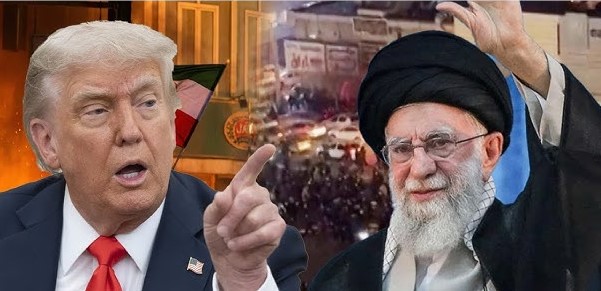
Tensions have escalated after US President Donald Trump reportedly issued a 10–15 day window for Iran to move toward a nuclear framework, warning of consequences if talks stall. Washington has increased its military footprint in the region, including deploying additional naval assets and reinforcing air defenses around Gulf bases.
From Tehran’s perspective, such moves are coercive diplomacy—an attempt to negotiate with a gun on the table.
Iran’s response has been twofold:
-
Hardline messaging — rejecting pressure and threatening retaliation if attacked.
-
Diplomatic signaling — instructing envoys to pursue “fair and equitable negotiations.”
This dual approach is not contradictory. It is strategic.
Iran’s Strategy: Defiance as Leverage
Iran’s leadership understands three key realities:
1. Domestic Legitimacy Requires Strength
Publicly yielding to American pressure would damage political credibility at home. Iran’s political culture prizes resistance. The phrase “will not bow” reinforces national pride and deters internal criticism from hardliners.
2. Deterrence Reduces Attack Probability
By warning that US bases could be targeted if Iran is struck, Tehran aims to raise the perceived cost of limited military action. This is deterrence messaging, not necessarily preparation for immediate escalation.
3. Negotiations Work Better from a Position of Strength
Iran’s diplomats have reportedly left the door open to discussions in Istanbul. But Tehran wants negotiations framed as reciprocal—not capitulatory.
In effect, Iran is saying: We will talk, but not under threat.
The Istanbul Factor: Quiet Diplomacy in Motion
Reports that Iranian and US envoys may meet in Istanbul are significant. Turkey has historically served as a discreet venue for sensitive regional talks.
If confirmed, these discussions would likely focus on:
-
Enrichment caps
-
Sanctions relief sequencing
-
Monitoring mechanisms by the International Atomic Energy Agency
-
Confidence-building measures to prevent military escalation
The fact that talks are even being considered suggests that neither side seeks open war.
Military Posturing: Calculated Signaling, Not Imminent War
US Calculus
Washington’s buildup is meant to:
-
Signal readiness
-
Reassure regional allies
-
Increase negotiation leverage
However, full-scale conflict with Iran would be costly, unpredictable and regionally destabilizing.
Iranian Calculus
Iran’s options include:
-
Proxy responses through allied groups
-
Missile demonstrations
-
Maritime pressure in strategic waterways
But Tehran also knows that uncontrolled escalation risks devastating economic consequences.
Both sides are walking a tightrope between coercion and caution.
Regional Implications: Who Is Watching Closely?
Israel
Israel remains deeply concerned about Iran’s nuclear trajectory. Any breakdown in talks could accelerate Israeli contingency planning.
Gulf States
Saudi Arabia and the UAE favor stability and de-escalation. Energy markets would react immediately to any kinetic exchange.
Russia
Iran’s joint military exercises with Moscow signal geopolitical alignment and a broader anti-Western posture.
Europe
European states prefer revived diplomacy, wary of another Middle East conflict amid fragile global energy markets.
Energy and Economic Fallout
If tensions escalate:
-
Oil prices could spike sharply.
-
Shipping insurance rates in the Gulf could surge.
-
Global markets could face renewed volatility.
Markets currently appear to be pricing in negotiation, not war. But rhetoric can quickly change that calculation.
The Dual-Track Doctrine: Pressure and Dialogue
Iran’s current stance can be described as “resistance with negotiation.”
President Pezeshkian’s message blends:
-
Revolutionary symbolism
-
Strategic deterrence
-
Conditional openness to talks
This reflects a broader Iranian doctrine: never appear weak, but never fully close the diplomatic door.
Similarly, Washington’s approach combines deadlines with backchannels—classic high-pressure diplomacy.
What Happens Next? Four Scenarios
1. Interim Framework Deal (Most Likely)
A temporary arrangement that freezes enrichment levels and offers limited sanctions relief, buying time for broader negotiations.
2. Extended Deadline
Public rhetoric remains firm, but talks continue quietly beyond the initial timeline.
3. Limited Military Exchange
Symbolic strikes followed by controlled retaliation—short-term escalation without full war.
4. Escalation Spiral (Least Likely, Highest Impact)
Proxy attacks or miscalculations trigger wider regional conflict.
At present, scenario one or two appears more probable than direct confrontation.
Strategic Assessment: Strength on the Surface, Negotiation Beneath
President Pezeshkian’s declaration that Iran “will not bow” should not be read as a rejection of diplomacy. Rather, it is a statement of negotiating posture.
Iran seeks:
-
Recognition of sovereignty
-
Gradual sanctions relief
-
Security guarantees
The US seeks:
-
Nuclear constraints
-
Verification access
-
Regional de-escalation
The gap is significant—but not insurmountable.
Conclusion: Rhetoric High, War Not Inevitable
The current standoff reflects classic geopolitical brinkmanship. Public statements are sharp. Military deployments are visible. But diplomatic channels remain open.
Iran’s leadership is projecting strength while signaling flexibility. Washington is applying pressure while preserving space for compromise.
The next two weeks will be decisive—not necessarily for war or peace—but for determining whether coercive diplomacy yields a temporary truce or hardens into confrontation.