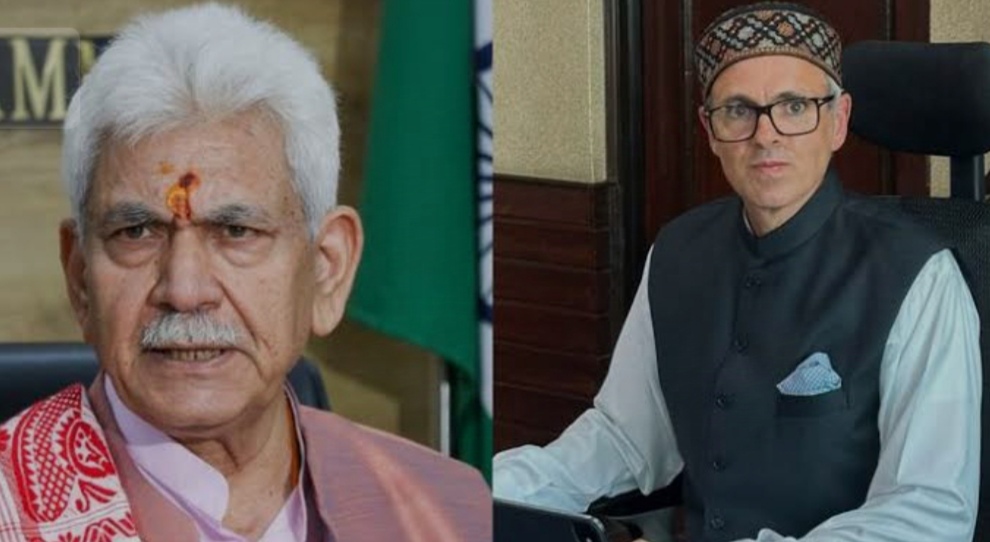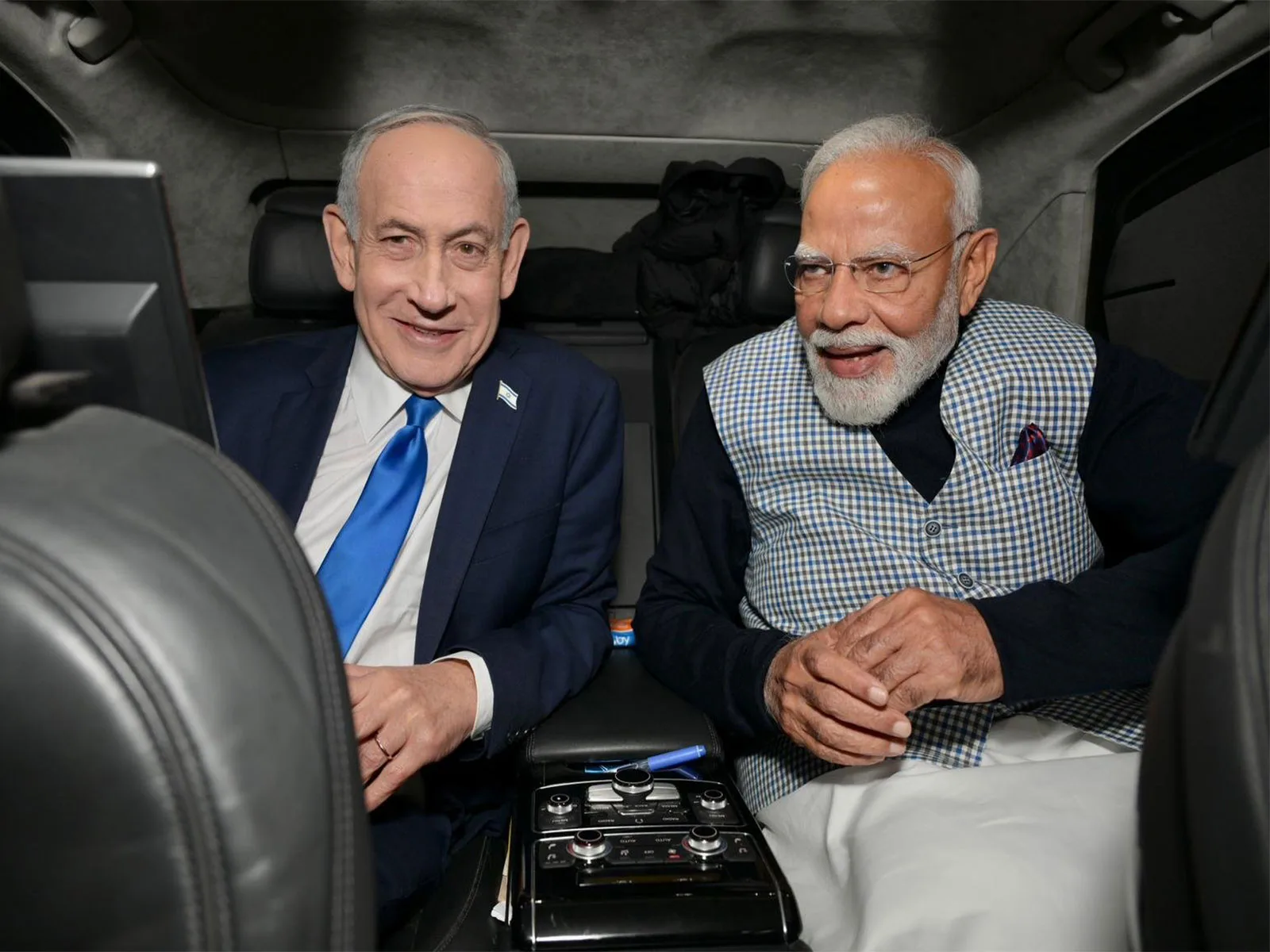
Behind the Opposition in Kashmir: Why Mehbooba Mufti and Aga Ruhullah Condemn Narendra Modi’s Israel Visit — A Deep Dive into India’s Shifting Diplomacy and Its Discontents
By: Javid Amin | 26 February 2026
India’s Foreign Policy at a Crossroads: The 2026 Visit and Its Significance
On February 25–26, 2026, Indian Prime Minister Narendra Modi concluded a high-profile two-day state visit to Israel, a trip marked by geopolitical significance, diplomatic milestone status, and a politically charged domestic response. The visit — during which Modi addressed Israel’s parliament, the Knesset, and further deepened strategic ties — sparked intense criticism from a number of political leaders in India, most vocally from politicians in Jammu and Kashmir.
While New Delhi described the visit as a strengthening of strategic and bilateral cooperation, opposition figures like Mehbooba Mufti and Aga Ruhullah publicly condemned it for what they see as a departure from India’s traditional foreign policy principles toward Palestine and the wider Middle East.
To understand why this visit triggered such sharp responses — especially from Kashmir — we need to trace India’s historical diplomatic position, assess the evolving nature of Indo-Israeli relations, and unpack the political and moral concerns raised by critics.
The 2026 India-Israel Visit: What Happened and Why It Matters
The 2026 state visit was significant on multiple fronts:
Historic Parliamentary Address
Modi became the first Indian prime minister to address Israel’s Knesset, reinforcing a narrative of “friendship, respect, and partnership” between the two nations.
Strategic Expansion Across Sectors
The visit resulted in 17 memoranda of understanding (MoUs) across areas such as advanced technology, agriculture, finance, education, labour mobility, and innovation — signaling a sweeping upgrade to a “Special Strategic Partnership.”
Deepening Cooperation in Security and Technology
Discussions focused on artificial intelligence, quantum technologies, fintech, critical minerals cooperation, and defence tie-ups — further locking India and Israel into mutually beneficial sectors long viewed as vital for future competitiveness.
Shared Messaging on Terrorism and Peace
While in the Knesset, Modi reiterated India’s “zero-tolerance” position on terrorism and pledged support for diplomatic paths toward peace and regional stability, including backing a Gaza Peace Initiative — a nuanced stance that sought to balance strategic cooperation with humanitarian concerns.
Strategic Geopolitical Context
The visit took place amid broader Middle East tensions, including continued volatility stemming from the Gaza war triggered in late 2023, the U.S.–Iran standoff, and shifting alliances across the region.
India’s Foreign Policy With Israel and Palestine: A Historical Arc
India’s strategic approach to the Middle East has evolved significantly over the past seven decades — influenced by changing global alignments, economic needs, domestic political considerations, and regional conflicts.
Early Principles (1947–1991): Pro-Palestine, Non-Aligned Roots
-
India was an early supporter of Palestinian self-determination, recognizing the Palestine Liberation Organization in 1974 and the State of Palestine in 1988, long before establishing full diplomatic relations with Israel.
-
Generations of Indian diplomats cited anti-colonial solidarity and a desire not to offend Arab partners as reasons for cautious engagement with Israel in the early decades after independence.
During this era, India frequently voted in the United Nations in favour of Palestine-related resolutions and maintained symbolic and substantive support for the Palestinian cause.
1992 Onwards: Full Diplomatic Ties With Israel
In 1992, India finally established full diplomatic relations with Israel after decades of limited engagement. This marked a shift from an exclusively “pro-Palestine” posture toward a balancing act in the region.
Post-2014: Accelerated Strategic Engagement
Under Modi’s leadership, especially since 2014, the India-Israel partnership has expanded rapidly:
-
Defence cooperation grew significantly.
-
Trade and technology exchanges surged.
-
People-to-people ties strengthened.
India’s practical engagement with Israel did not replace its rhetorical support for a two-state solution, but the balance clearly shifted toward strategic cooperation and mutual interests.
This trajectory was further cemented by Modi’s historic 2017 visit — the first by a sitting Indian prime minister — and repeated high-level exchanges in the subsequent decade.
The Kashmiri Opposition: Grounding the Criticism
Against this backdrop of India’s strategic deepening with Israel, prominent Kashmiri leaders have articulated their opposition in unambiguous terms.
1. Mehbooba Mufti: A Moral and Policy Critique
Mehbooba Mufti, former chief minister of Jammu and Kashmir and president of the Peoples Democratic Party, said that Modi’s visit was “against the country’s policy” and “not a good sign for Gandhi’s India,” asserting that meeting Israeli Prime Minister Benjamin Netanyahu — whom she called a “criminal” — reflects a worrying departure from India’s diplomatic heritage.
Her statements drew attention to:
-
The International Criminal Court’s indictments of Netanyahu (which have limited his mobility internationally).
-
The ethical dimension of praising or visibly embracing Israeli leadership while serious humanitarian issues persist in Gaza.
Mufti’s comments resonated with constituencies that view India’s moral foreign policy legacy (especially under icons like Mahatma Gandhi and Nehru) as grounded in support for oppressed peoples.
2. Aga Ruhullah: Opposition Based on Human Rights and Sovereignty
Srinagar MP Aga Ruhullah echoed similar concerns, condemning the visit as “insensitive” due to Israel’s long-standing occupation of Palestinian territories and ongoing humanitarian suffering in Gaza — pointing to a clash between India’s diplomatic choices and core human rights issues.
While Ruhullah’s criticism is rooted in humanitarian concern for Palestinians, it is also informed by political sentiment within parts of Jammu and Kashmir that identify strongly with struggles against occupation and international law abuses.
What the Critics Are Saying — A Closer Look
Critics like Mufti and Ruhullah are not isolated voices. Their opposition aligns with broader arguments made by:
-
Left-leaning political parties who see Modi’s Israel outreach as ideologically problematic.
-
Civil society groups who argue for a more balanced approach that firmly upholds India’s historical advocacy for Palestinian rights.
Core Areas of Opposition
A. Departure From India’s Historical Foreign Policy Narrative
Leaders like Mufti argue that India once stood firmly with Palestine and that Modi’s high-profile engagement with Israel symbolizes a complete reinterpretation of that legacy — especially when undertaken amidst heightened regional suffering.
B. Moral Positioning vs. Strategic Interests
Many critics feel that deepening engagement with Israel, a key ally of the U.S. and a nation embroiled in long-running conflicts with Palestinians, signals prioritization of strategic interests over moral foreign policy principles.
Government’s Response and Strategic Rationale
New Delhi’s official framing of the visit emphasized:
-
Strengthened bilateral cooperation in defence, technology, trade and innovation.
-
India’s consistent zero-tolerance approach to terrorism.
-
Support for peaceful resolution frameworks in the Middle East.
This strategy reflects New Delhi’s effort to balance its historic rhetoric on Palestine with its evolving geo-strategic calculus — pursuing diversified partnerships while continuing to advocate for peaceful resolution of conflicts.
India’s Pragmatic Diplomacy: A New Balancing Act
India’s diplomatic evolution in the Middle East has been less about abandonment and more about expanded engagement:
-
Maintaining ties with the Arab world and energy suppliers.
-
Strengthening relations with Israel as a source of defence and technology.
-
Advocating for a two-state solution as part of multilateral discussions.
In essence, New Delhi seeks to maintain strategic autonomy — a hallmark of India’s foreign policy — while navigating shifting geopolitical realities.
Broader Implications for India’s Global Positioning
Modi’s visit to Israel, despite criticism, may:
-
Boost economic collaboration in high-tech fields.
-
Cement India’s role in emerging global networks linking Asia, the Middle East, and Mediterranean partners.
However, it also raises questions about:
-
India’s perceived commitment to humanitarian causes in global forums.
-
Domestic political narratives about historical foreign policy principles.
Conclusion: A Visit That Reflects India’s Evolving Identity
Narendra Modi’s 2026 Israel visit stands at the intersection of strategic interest, diplomatic evolution, and ideological debate. The strong opposition voiced by Mehbooba Mufti, Aga Ruhullah, and others underscores how foreign policy decisions reverberate at home — especially in regions like Kashmir with deep emotional and political investment in questions of justice and occupation.
The episode illustrates that India’s foreign policy is no longer a simple balancing act between historical solidarity and modern interests — it’s a complex, layered strategy that requires reconciling national interests, moral commitments, and evolving global ambitions.