“Leave Iran Now”: Why Washington’s Emergency Order Has Set Off Global Alarm Bells Over Tehran
By: Javid Amin | 06 February 2026
As Americans are urged to flee Iran via Turkey and Armenia, fears grow of a sudden military escalation amid collapsing diplomacy and regional brinkmanship.
A Rare and Stark Warning
When the U.S. government tells its own citizens to leave a country immediately and without expectation of help, it signals something far beyond routine diplomatic caution.
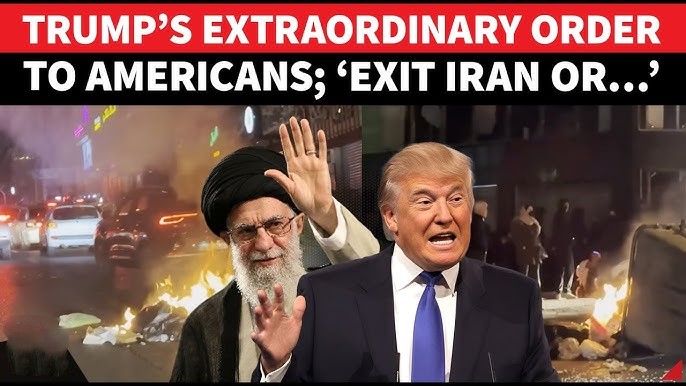
This week, Washington issued one of its strongest emergency advisories in years, urging all American citizens currently in Iran to depart at once, preferably by land routes into Turkey or Armenia. The message, released through the U.S. Virtual Embassy in Iran, was blunt, unambiguous, and deeply unsettling:
“Leave Iran now. Do not rely on U.S. government assistance.”
The advisory lands at a moment of extraordinary volatility — with U.S.–Iran diplomacy stalled, American naval forces surging into the region, missile defenses being repositioned, and Tehran warning of regional retaliation if attacked.
While U.S. officials have stopped short of confirming any imminent military action, the tone and timing of the warning have triggered a pressing question across global capitals:
Is Washington preparing for a sudden escalation — possibly even a strike on Tehran?
What the Emergency Order Says — And Why Its Language Matters
A Warning Without Diplomatic Cushioning
Unlike standard travel advisories that encourage caution, this directive does something far more serious:
-
It orders, rather than advises, Americans to leave
-
It explicitly states that U.S. assistance cannot be guaranteed
-
It recommends land evacuation routes, implying air travel may be unreliable or cut off
Such language is typically reserved for pre-conflict or active-conflict environments, where governments expect rapid deterioration in security conditions.
The advisory specifically highlights:
-
Risk of arbitrary detention
-
Communication blackouts
-
Limited mobility
-
Sudden border closures
-
Potential retaliatory actions targeting Western nationals
In diplomatic practice, warnings of this severity are rarely issued unless intelligence agencies believe conditions could change with little or no notice.
Why Turkey and Armenia? Reading Between the Lines
Why Not Flights? Why Not Other Neighbors?
The U.S. government’s recommendation that Americans leave by land via Turkey or Armenia is revealing.
It suggests:
-
Commercial flights may be suspended or grounded
-
Airspace restrictions could be imposed suddenly
-
Iran’s western and northwestern land borders are viewed as relatively more stable exit corridors
Turkey and Armenia also:
-
Maintain functioning border crossings with Iran
-
Have diplomatic channels with both Tehran and Washington
-
Are less likely to shut borders abruptly in early-stage escalation
The emphasis on land routes reflects contingency planning, not panic — but it does underscore how seriously Washington is treating the situation.
The Broader Context: Why Now?
A Perfect Storm of Pressures
The emergency advisory does not exist in isolation. It arrives amid a convergence of destabilizing factors:
a) Collapsing Diplomacy
Planned U.S.–Iran talks collapsed before they even began, after Washington presented Tehran with an ultimatum — “accept these conditions or get nothing” — and Iran responded with a curt rejection: “Nothing.”
That exchange symbolized a total breakdown in diplomatic elasticity.
b) Military Buildup
President Donald Trump has publicly confirmed:
-
A major U.S. naval buildup near Iranian waters
-
Deployment of missile defense systems
-
Reinforcement of regional bases
Such moves are officially described as “deterrence,” but historically, similar buildups have often preceded coercive pressure or limited strikes.
c) Internal Iranian Instability
Iran continues to face:
-
Persistent protest activity
-
Heavy security crackdowns
-
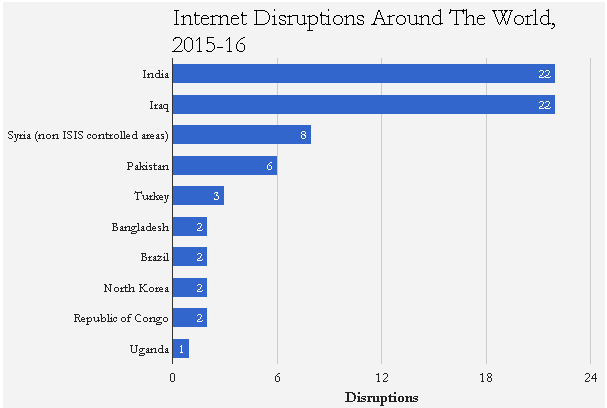
Internet shutdowns
-
Tightened internal movement controls
From Washington’s perspective, internal unrest raises the risk of:
-
Miscalculation
-
Overreaction by Iranian security forces
-
Detentions of foreign nationals as leverage
Is an Attack on Tehran Imminent? What We Know — and Don’t
No Official Confirmation — But Serious Signals
To date:
-
No official U.S. announcement confirms an impending strike
-
No evacuation of embassies in neighboring countries has been declared
-
No public authorization for force has been disclosed
However, intelligence-driven evacuation warnings often come before public acknowledgment of military planning — not after.
Historically, similar advisories have preceded:
-
Airstrikes
-
Limited missile attacks
-
Targeted operations
-
Sudden escalations following provocation
The warning reflects risk assessment, not necessarily intent — but it indicates that U.S. officials believe worst-case scenarios must be actively prepared for.
Civilian Safety: Why Americans Are Especially Vulnerable
The Risks on the Ground
Americans in Iran face unique vulnerabilities:
-
Iran does not recognize U.S. consular authority
-
Dual nationals have been detained in past crises
-
Communication blackouts limit emergency coordination
-
Travel restrictions can be imposed with no warning
In past periods of tension, foreign nationals — especially from adversarial states — have been:
-
Used as political leverage
-
Accused of espionage
-
Restricted from leaving the country
The advisory’s explicit warning not to rely on U.S. assistance reflects the practical limits of American reach inside Iran.
The Diplomatic Irony: Talks in Oman, Evacuation in Iran
One of the most striking aspects of this moment is the contradiction it reveals.
While:
-
Nuclear negotiations are reportedly beginning in Oman
-
Regional mediators are urging restraint
-
Diplomats speak of “off-ramps”
At the same time:
-
Civilians are told to flee
-
Militaries are repositioning
-
Rhetoric is hardening
This dual-track reality reflects how modern geopolitics often works:
-
Diplomacy on paper
-
Deterrence in motion
-
Contingency planning in silence
Washington appears determined to negotiate from a position of maximum preparedness, even if that posture itself raises escalation risks.
Regional and Global Implications
For the Middle East
-
Any conflict involving Iran would likely spill across borders
-
Gulf shipping lanes could be disrupted
-
Proxy conflicts could intensify
For Energy Markets
-
Iran sits near critical oil transit routes
-
Even limited escalation could trigger price volatility
-
Markets respond as much to fear as to fact
For Global Diplomacy
-
Allies are watching how Washington balances pressure and restraint
-
Rivals are assessing credibility and red lines
-
Neutral mediators face shrinking space to operate
Political Signaling: Strength, Not Subtlety
Both Washington and Tehran are engaging in signaling politics:
-
The U.S. signals resolve by warning its citizens and deploying forces
-
Iran signals defiance by rejecting ultimatums and threatening retaliation
In this environment, language itself becomes a weapon — and the evacuation order is part of that language.
Conclusion: A Warning That Speaks Louder Than Words
The U.S. emergency order urging Americans to leave Iran immediately is not proof of an imminent strike — but it is a serious indicator of perceived risk.
It reflects:
-
Collapsing trust
-
Hardened negotiating positions
-
Military readiness
-
And the fragility of stability around Tehran
For now, diplomacy remains technically alive. But the evacuation warning suggests Washington is preparing for a world in which talks fail — suddenly and decisively.
In geopolitics, governments often move civilians first — and explain later.