Waheed Para Accuses Omar Abdullah of Nepotism Over Advisor Appointment, Award Row Erupts in J&K
By: Javid Amin | 05 February 2026
A New Flashpoint in J&K’s Political Rivalry
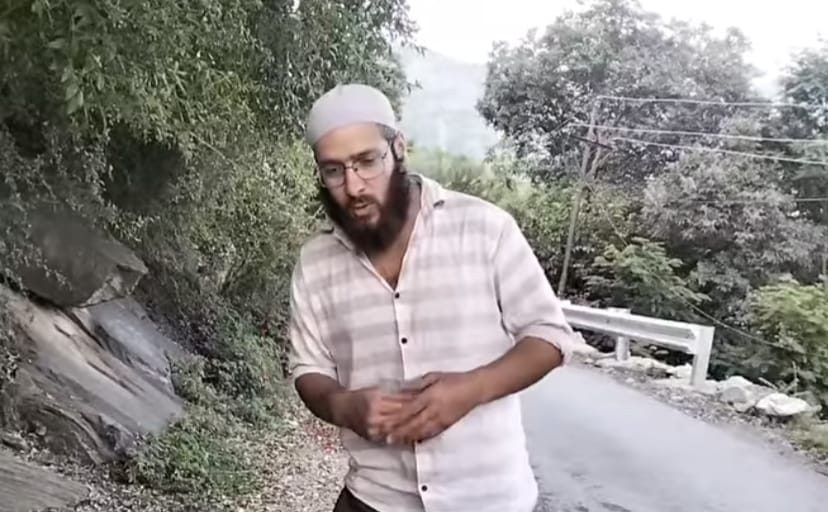
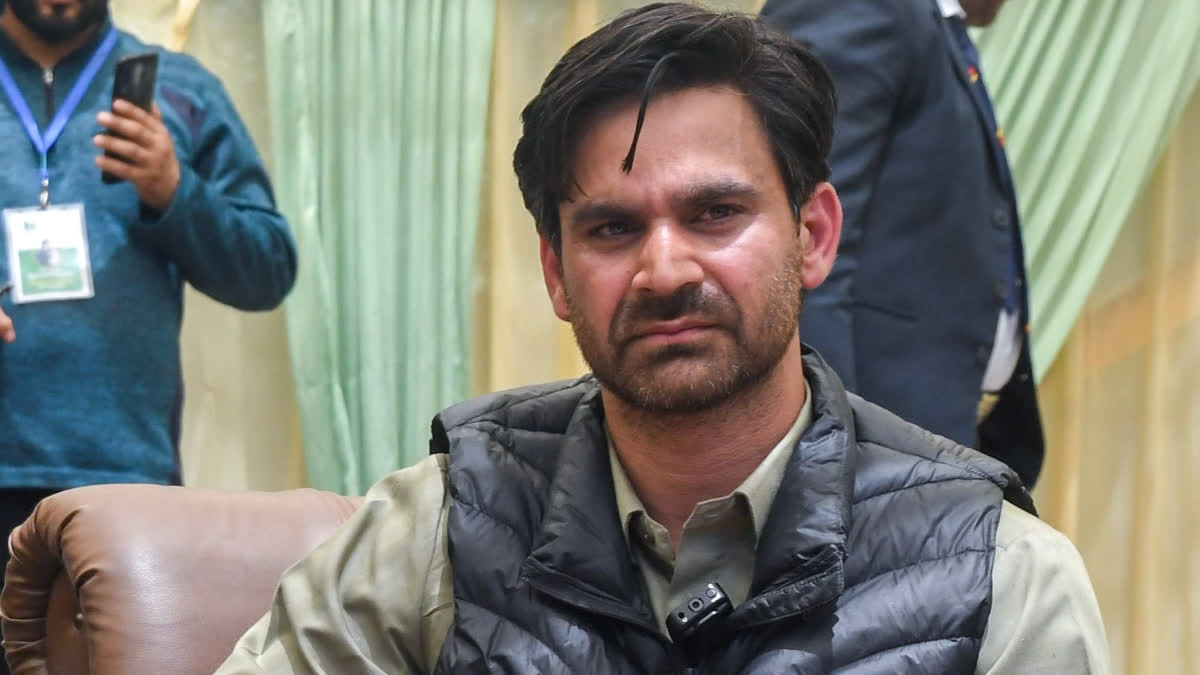
Jammu and Kashmir’s already polarised political landscape witnessed another sharp exchange after Peoples Democratic Party (PDP) youth leader Waheed-ur-Rehman Para launched a scathing attack on National Conference (NC) vice president and former chief minister Omar Abdullah, accusing him of nepotism and dynastic favoritism.
Para’s remarks, made in public statements and on social media, allege that recent political decisions by the NC leadership reflect family-centric patronage rather than merit or public interest. The controversy has quickly snowballed into a broader debate on dynastic politics, transparency, and credibility, particularly at a time when parties are vying to shape narratives ahead of future political contests in the Union Territory.
The Allegations: What Waheed Para Claimed
At the centre of the controversy are two key allegations made by Waheed Para:
1. Advisor Appointment
Para alleged that Omar Abdullah appointed Nasir Aslam Wani as his advisor, framing the move as politically motivated rather than merit-based. Nasir Aslam Wani is a senior NC leader and long-time associate of the Abdullah family.
According to Para, the appointment reinforces a perception that key advisory roles are reserved for insiders and loyalists, leaving little space for independent voices or new leadership.
2. Award Controversy Involving Advisor’s Son
Para further claimed that Omar Abdullah facilitated or endorsed an award for Saadat Aslam, son of Nasir Aslam Wani. He alleged that the recognition came “at the cost of Jammu and Kashmir’s dignity,” suggesting that symbolic honours were being used to reward proximity to power rather than genuine achievement.
While Para did not contest the existence of the award itself, he questioned:
-
The process
-
The timing
-
And the political optics of the decision
He argued that such actions strengthen public suspicion of elite networks benefiting from political privilege.
Para’s Framing: Dynastic Politics vs Meritocracy
Waheed Para deliberately placed his criticism within a larger ideological frame, portraying the issue as not merely about one appointment or award, but about how politics is practised in Jammu and Kashmir.
Key themes in Para’s narrative include:
-
Dynasty over democracy
-
Privilege over performance
-
Connections over competence
By doing so, Para positioned himself — and by extension the PDP’s youth wing — as a voice for reform, accountability, and generational change, particularly aimed at young voters who have grown increasingly critical of traditional political families.
Political Context: A Familiar but Sensitive Debate
Nepotism as a Long-Standing Fault Line
Accusations of nepotism are not new in J&K politics. Almost every major party — including NC, PDP, Congress, and BJP — has at different times faced criticism for:
-
Family-based leadership structures
-
Preferential treatment to relatives or close associates
-
Limited internal democracy
What makes Para’s attack significant is who is making it and when:
-
Para himself represents a younger political generation
-
The comments come amid renewed discussions on political reform and credibility after years of central rule and administrative restructuring
NC–PDP Rivalry
The National Conference and PDP have a long history of intense rivalry, despite occasional political alignments in the past. Both parties:
-
Compete for the same voter base in Kashmir
-
Claim to represent regional aspirations
-
Accuse each other of governance failures and political opportunism
Para’s remarks fit squarely into this rivalry, but with a modern, youth-centric vocabulary focused on ethics and transparency rather than traditional ideological disputes.
Why the Allegations Matter Politically
1. Optics Over Legality
Importantly, Para’s accusations are political allegations, not legal charges. No court proceedings or official inquiries have been cited. However, in politics, perception often matters as much as proof.
Appointments and awards, even if procedurally valid, can:
-
Trigger backlash if seen as symbolic favoritism
-
Undermine claims of clean governance
-
Provide ammunition to rivals
2. Youth and Credibility
By raising the issue, Para is tapping into a growing sentiment among young people in J&K who:
-
Distrust entrenched political families
-
Feel excluded from decision-making
-
Want visible breaks from old political practices
This makes the controversy particularly relevant in youth-dominated political discourse.
3. Narrative Battle Ahead
As J&K moves toward a more active political phase, narratives will matter:
-
NC seeks to project stability, experience, and legacy
-
PDP aims to rebrand itself as reformist and youth-oriented
The nepotism charge directly challenges NC’s moral high ground and puts the party on the defensive.
NC’s Position: Silence, Strategy, or Dismissal?
As of now, no detailed public rebuttal has been issued by Omar Abdullah or the National Conference addressing Para’s specific allegations.
Political observers note three possible strategies at play:
-
Ignoring the claims to deny them oxygen
-
Framing them as routine political mudslinging
-
Responding selectively if the issue gains wider traction
NC leaders have, in the past, rejected nepotism charges by arguing that:
-
Appointments follow established norms
-
Political experience and loyalty are legitimate considerations
-
Opposition parties selectively target NC while ignoring similar practices elsewhere
Whether the party chooses to formally counter Para’s remarks may depend on public reaction and media momentum.
Symbolism and Sensitivity in J&K Politics
In Jammu and Kashmir, symbolic actions carry disproportionate weight. Awards, appointments, and advisory roles are often seen not just as administrative decisions but as:
-
Signals of power structures
-
Indicators of who matters in the political hierarchy
-
Reflections of whose voices are valued
This is why Para’s remark that the alleged award came at the “cost of J&K’s dignity” resonated — it speaks to a broader anxiety about fairness, representation, and respect in public life.
Potential Political Fallout
While it is too early to assess long-term impact, the controversy could lead to:
-
Increased scrutiny of political appointments across parties
-
Sharper youth-centric rhetoric in upcoming debates
-
Pressure on parties to publicly justify decisions
It may also push political leaderships to re-evaluate optics, even when actions are legally sound.
Conclusion: More Than a Personal Attack
Waheed Para’s accusation against Omar Abdullah is not just a personal or party-specific attack — it reflects a larger struggle over political legitimacy in Jammu and Kashmir.
At its core, the controversy raises enduring questions:
-
Who gets access to power?
-
How transparent are political decisions?
-
Can traditional parties adapt to demands for merit and accountability?
As J&K’s political discourse continues to evolve, debates around nepotism, dynasty, and reform are likely to intensify. Whether this episode becomes a turning point or fades into routine political sparring will depend on how parties respond — and how the public perceives those responses.