Iran–U.S.–Israel War Enters Second Week: Ground Reality, Military Balance, and Global Risks
By: Javid Amin | 07 March 2026
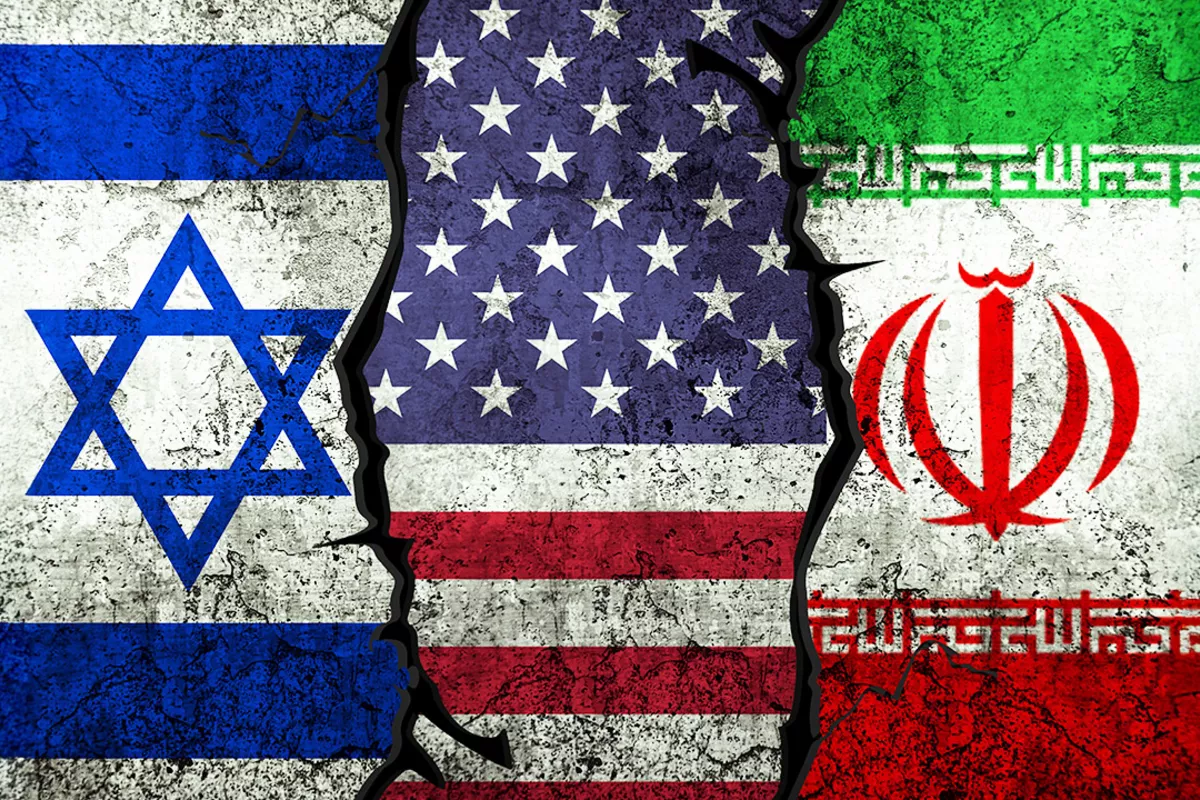
The war between Iran, Israel, and the United States has entered its second week, marking one of the most dangerous escalations in the Middle East in decades. Airstrikes, missile attacks, and drone warfare are now affecting multiple countries across the region, while global oil markets and international diplomacy are under growing pressure.
As of March 8, 2026, the conflict has already resulted in more than 1,300 deaths in Iran and casualties across Israel, U.S. forces, and several Gulf states. The situation remains highly volatile, with no ceasefire negotiations currently underway.
Current Military Situation
The joint military campaign conducted by the United States Armed Forces and the Israel Defense Forces has targeted Iranian military infrastructure, missile launch sites, and oil facilities. Airstrikes have been reported in several key locations, including Tehran, Isfahan, and southern Iranian ports.
Advanced aircraft such as the F-35 Lightning II, F-22 Raptor, and long-range bombers have reportedly been used in precision strikes aimed at degrading Iran’s missile capabilities and air defenses.
Iran has responded with waves of missiles and drones targeting Israel and U.S. military installations across the Middle East. The country’s strategy relies heavily on asymmetric warfare, deploying ballistic missiles like the Shahab-3 and attack drones such as the Shahed-136 to overwhelm air defenses.
Israel has relied on its layered missile defense network—including Iron Dome, David’s Sling, and the Arrow system—to intercept incoming threats.
Naval tensions have also intensified in the Strait of Hormuz, a critical global energy corridor where approximately one-fifth of the world’s oil supply normally passes.
On-Ground Situation Across the Region
Iran: Airstrikes and Civilian Anxiety
Tehran and several other cities have experienced repeated airstrikes targeting military installations and infrastructure.
Residents report nighttime explosions, fires near industrial zones, and increased security restrictions. Internet speeds have slowed and some social media platforms have faced temporary blocks.
Many families are reportedly leaving major urban areas, while others are stockpiling food, fuel, and medical supplies amid fears of continued strikes.
The reported death of Iranian Supreme Leader Ali Khamenei has also created political uncertainty within the country, with debates emerging over potential successors such as Mojtaba Khamenei.
Israel: Missile Alerts and Civil Defense
In Israel, cities including Tel Aviv and Haifa have experienced frequent missile alerts.
Air-raid sirens regularly send residents rushing to shelters, often within seconds of warning. While most incoming projectiles have been intercepted, the constant alerts have disrupted daily life.
Schools in some areas have shifted to remote learning, and public gatherings have been restricted. Airports remain operational but under heightened security.
Despite the disruptions, public support for the government’s military campaign remains strong.
Gulf States: Defensive Measures and Security Alerts
Several Gulf countries have been affected indirectly by the conflict due to the presence of U.S. military bases.
In the United Arab Emirates, air defense systems have intercepted multiple drones and missiles targeting regional facilities. Debris from intercepted drones has reportedly caused localized fires near energy infrastructure.
In Kuwait, security has been tightened around American military sites such as Camp Arifjan, while emergency preparedness plans have been activated.
Qatar has also increased security around Al Udeid Air Base, one of the largest U.S. military installations in the region.
Although daily life continues in many Gulf cities, authorities have advised caution and increased monitoring of potential threats.
Military Balance Between the Three Powers
From a purely military perspective, the United States and Israel possess overwhelming technological advantages.
The U.S. maintains the world’s largest and most advanced air force, while Israel’s air force is among the most sophisticated globally. Both countries benefit from advanced intelligence systems, cyber warfare capabilities, and precision-guided weapons.
Iran, however, compensates for its weaker air force with large stockpiles of ballistic missiles, drones, and a network of regional allies and militias. This asymmetric strategy allows Tehran to continue striking targets even while facing heavy airstrikes on its own territory.
Iran also possesses geographic depth and significant military manpower, making a quick military defeat unlikely.
Global Economic Impact
The war has already begun affecting global markets.
Oil prices have surged amid concerns about potential disruption in the Strait of Hormuz, a vital shipping route for global energy supplies.
Airlines have begun rerouting flights to avoid certain parts of Middle Eastern airspace, increasing travel times and costs. Shipping companies are also reassessing tanker routes due to security risks.
Economic analysts warn that a prolonged conflict could trigger inflationary pressures worldwide, particularly in energy-dependent economies.
Key Flashpoints That Could Escalate the War
Several developments could rapidly expand the conflict into a broader regional war.
One major concern is the possible involvement of Hezbollah, the powerful Lebanese militia allied with Iran. If Hezbollah launches large-scale rocket attacks on Israel, the conflict could open a second major front in Lebanon.
Another risk involves the closure of the Strait of Hormuz, which could provoke direct naval confrontation between Iranian forces and the United States Navy.
Strikes on Iranian nuclear facilities such as the Natanz Nuclear Facility or the Fordow Fuel Enrichment Plant could also trigger massive retaliation from Tehran.
Finally, a large civilian casualty event on either side could dramatically increase pressure for escalation.
Public Sentiment Across the Region
Public reactions vary significantly across countries involved in the conflict.
In Iran, a mix of nationalist solidarity and fear has emerged as civilians cope with airstrikes and economic uncertainty.
In Israel, public opinion largely supports the military campaign but concerns about long-term war fatigue are growing.
In Gulf states, the public mood remains cautious but relatively calm, with governments emphasizing security and stability.
Meanwhile, global calls for diplomacy have increased, with several international powers urging immediate negotiations.
Outlook for the Next Three Months
Military analysts currently see three potential paths for the conflict.
The best-case scenario would involve international mediation leading to a ceasefire and stabilization of regional tensions.
A more likely outcome may be a prolonged but limited conflict characterized by continued airstrikes, missile attacks, and economic disruption.
The worst-case scenario would see the war expand into a multi-country regional conflict involving Lebanon, Syria, and other Middle Eastern states.
Conclusion
The Iran–U.S.–Israel war has already reshaped the security landscape of the Middle East. While the conflict remains geographically concentrated, its economic and political consequences are being felt around the world.
For civilians across the region, the war is experienced not only through headlines but through air-raid sirens, disrupted travel, economic uncertainty, and the constant threat of escalation.
Unless significant diplomatic efforts succeed in bringing the parties to the negotiating table, the coming weeks may determine whether the conflict stabilizes—or expands into a much wider regional war.