Jama Masjid Srinagar Locked on Last Friday of Ramzan for 7th Consecutive Year
By: Javid Amin | 13 March 2026
Authorities deny congregational prayers at historic mosque, triggering strong reactions from religious leaders
Historic Jama Masjid in Srinagar Locked Again on Last Friday of Ramzan
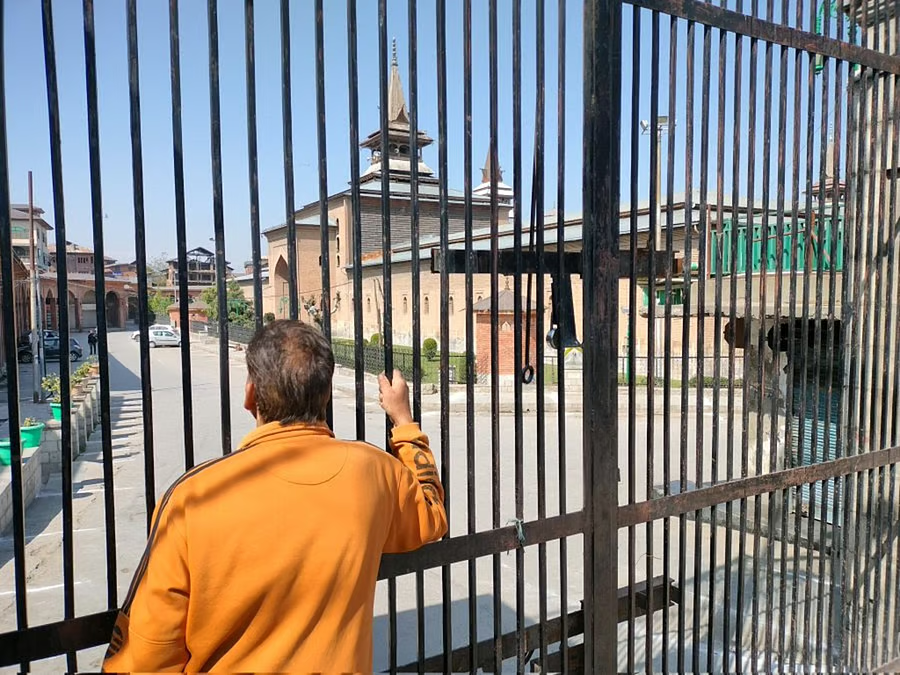
The historic Jama Masjid Srinagar remained locked on the last Friday of the holy month of Ramzan, preventing thousands of worshippers from offering congregational prayers at the centuries-old mosque.
Authorities once again denied permission for prayers at the mosque located in Srinagar’s old city area, marking the seventh consecutive year that worshippers were unable to gather there on the important day often known as Jumat-ul-Vida, the final Friday of Ramzan.
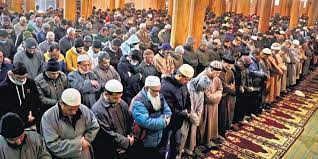
For many Muslims in Kashmir, the last Friday of Ramzan carries immense spiritual significance. Traditionally, tens of thousands of people from across the region travel to the mosque to offer prayers and participate in collective supplications.
This year, however, the gates of the mosque were reportedly locked from all sides, preventing entry to worshippers.
Mirwaiz Omar Farooq Condemns the Closure
The decision drew strong criticism from Mirwaiz Umar Farooq, the chief cleric of Kashmir and chairman of the All Parties Hurriyat Conference.
In a public statement, the Mirwaiz expressed anguish over the continued closure of the mosque during one of the most important days of the Islamic calendar.
He said:
“On the last Friday of holy Ramzan, when tens of thousands gather from towns and villages for prayers and supplication at the historic Jama Masjid Srinagar, its gates have once again been locked from all sides. For the seventh consecutive year, the rulers have denied permission to Muslims to pray here.”
The Mirwaiz also drew a comparison with restrictions at Masjid al-Aqsa in Jerusalem, saying the situation in Kashmir reminded him of similar limitations faced by worshippers there during Ramzan.
A Mosque Central to Kashmir’s Religious Life
The Jama Masjid Srinagar, located in the Nowhatta area of Srinagar, is one of the most significant religious sites in Kashmir.
Constructed in the 14th century during the rule of Sultan Sikandar, the mosque has historically served as a major center of Islamic scholarship, community gatherings, and Friday congregational prayers.
Its large courtyard and traditional wooden architecture allow it to accommodate tens of thousands of worshippers during major religious occasions.
Events such as:
-
the last Friday of Ramzan
-
Eid prayers
-
major religious gatherings
traditionally attract huge crowds from different districts of Jammu and Kashmir.
Seventh Consecutive Year Without Jumat-ul-Vida Prayers
The closure of the mosque on the final Friday of Ramzan has now continued for seven consecutive years.
Since 2019, authorities have frequently imposed restrictions on large religious gatherings at the mosque, particularly during periods of heightened security concerns.
Officials generally cite law-and-order considerations as the primary reason for restricting congregational prayers at the site.
However, critics argue that preventing worshippers from gathering at such an important religious site undermines religious freedoms.
The repeated restrictions have become a recurring point of controversy during Ramzan.
Emotional Response Among Worshippers
The absence of congregational prayers at the mosque has deeply affected many residents of Srinagar and surrounding areas.
For generations, families have traveled from villages and towns across Kashmir to participate in the special Friday prayers at the historic mosque.
Community leaders say the continued closure has created a sense of frustration and sadness among worshippers who consider the mosque an essential part of their spiritual lives.
Some local residents described the situation as a painful break from long-standing religious tradition.
Comparisons With Masjid al-Aqsa Restrictions
In his statement, Mirwaiz Umar Farooq compared the situation to restrictions faced by worshippers at Masjid al-Aqsa in Jerusalem.
The Al-Aqsa mosque compound is one of the holiest sites in Islam and has often been the focus of political and security tensions in the Middle East.
By drawing this comparison, the Mirwaiz highlighted what he described as a broader pattern of restrictions affecting Muslim places of worship during Ramzan.
His statement included the words:
“Our hearts bleed. Shame on those who lock the houses of Allah against the faithful.”
The remarks quickly circulated across social media platforms and were widely shared by religious and political activists.
Religious and Political Significance
The closure of the Jama Masjid Srinagar carries both religious and political significance.
Religiously, the mosque serves as one of the most important spiritual centers in Kashmir.
Politically, it has historically been a platform where religious leaders address large gatherings on social, cultural, and political issues affecting the region.
Because of this dual role, authorities have often treated gatherings at the mosque as sensitive events from a security perspective.
Security Concerns Often Cited by Authorities
While officials did not immediately issue a detailed public statement explaining the latest closure, authorities in the region have previously justified restrictions at the mosque on security grounds.
Concerns typically include:
-
potential large-scale protests
-
law-and-order risks in crowded areas
-
political speeches that could trigger unrest
As a result, authorities sometimes impose preventive restrictions on gatherings at sensitive locations.
However, critics argue that blanket bans on religious congregations disproportionately affect ordinary worshippers.
Debate Over Religious Freedom
The continued closure of the mosque during major religious occasions has reignited debates about religious freedom in Kashmir.
Civil society groups and religious leaders say worshippers should be allowed to gather peacefully for prayers.
They argue that restrictions during one of Islam’s holiest months are particularly painful for the community.
Supporters of the restrictions, however, argue that authorities must prioritize security and stability in a region that has experienced decades of conflict.
The debate reflects the broader tensions that continue to shape governance and public life in Jammu and Kashmir.
A Symbol of Faith and Identity
Beyond its religious role, the Jama Masjid Srinagar remains an enduring symbol of Kashmiri cultural and spiritual identity.
For many residents, the mosque represents:
-
centuries of Islamic tradition
-
communal solidarity
-
a space for collective prayer and reflection
The continued restrictions during Ramzan therefore resonate deeply with the public.
Conclusion
The locking of the Jama Masjid Srinagar on the last Friday of Ramzan for the seventh consecutive year has once again sparked emotional reactions across Kashmir.
Religious leaders, including Mirwaiz Umar Farooq, have condemned the move as a painful denial of worshippers’ spiritual rights.
While authorities often cite security considerations, the continued restrictions highlight the ongoing tension between governance, security concerns, and religious practice in the region.
For thousands of faithful who traditionally gather at the historic mosque during Ramzan, the locked gates symbolize not just a missed prayer—but a continuing struggle over faith, identity, and freedom of worship.