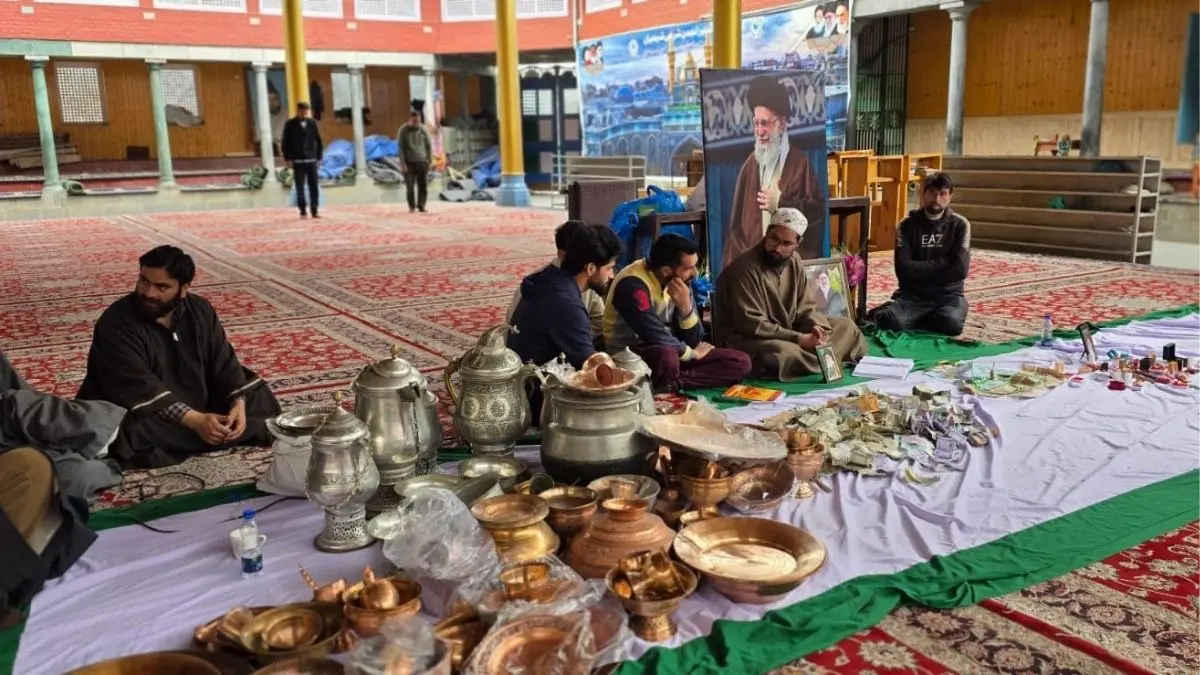
Kashmir Aid to Iran Sparks Debate: Humanitarian Solidarity Meets Geopolitical Sensitivities
By: Javid Amin | 26 March 2026
When Compassion Crosses Borders—and Triggers Questions
In times of crisis, humanity often transcends geography, politics, and economic divides. This has been vividly demonstrated in recent weeks as reports emerged of substantial humanitarian aid contributions from Kashmir toward people affected in Iran. What began as a grassroots wave of solidarity has now evolved into a complex socio-political debate—one that sits at the intersection of compassion, accountability, and geopolitics.
The scale of donations—estimated in hundreds of crores—has surprised many observers. For a region like Kashmir, which itself faces economic and political challenges, such generosity reflects a deeply rooted culture of empathy and collective action. Yet, as with any large-scale mobilization of funds, it has also raised pressing questions: Who is collecting the money? Where is it going? And how does this affect India’s delicate diplomatic balancing act?
This feature examines the issue in depth—ground realities, political implications, public sentiment, and the broader lessons it offers for humanitarian engagement in sensitive regions.
The Humanitarian Impulse: Kashmir’s Culture of Giving
Why Kashmir Responded So Strongly
Several factors explain the scale and intensity of support:
- Shared Emotional Resonance: Many Kashmiris identify with populations facing conflict or humanitarian distress, given their own lived experiences.
- Religious Motivation: Concepts like Zakat (charity) and Sadaqah (voluntary giving) play a central role in mobilizing contributions.
- Grassroots Mobilization: Local mosques, community groups, and informal networks became primary channels for fundraising.
- Digital Amplification: Social media platforms accelerated awareness and participation, turning local campaigns into mass movements.
Despite financial hardships within the region, contributions poured in—from small daily wage earners to business owners. This collective effort is being widely described as a “people-led humanitarian wave.”
Scale of Donations: Numbers That Demand Attention
While official figures remain under verification, multiple ground reports suggest that donations may have crossed several hundred crores. This is significant for several reasons:
- It reflects high public engagement rather than institutional funding.
- The funds are largely unregulated at the collection stage.
- It highlights trust-based giving, where donors rely on intermediaries.
However, such scale also introduces complexity.
The Informal Economy of Aid
Much of the fundraising reportedly occurred outside formal NGO frameworks:
- Cash collections in localities
- Online transfers to individual accounts
- Contributions routed through small community organizations
This decentralized model, while efficient in mobilization, complicates tracking and accountability.
Transparency Concerns: Who Is Watching the Flow of Funds?
Key Questions Raised
- Who are the intermediaries?
Many collections are reportedly handled by individuals or small groups without formal registration. - Are funds reaching intended beneficiaries?
Without verified channels, tracking the end-use becomes difficult. - Compliance with Indian laws:
Cross-border fund transfers are subject to strict regulations, including scrutiny under financial and security frameworks. - Risk of misuse:
Authorities are concerned that unregulated flows could be diverted or exploited.
Government’s Approach
Rather than outright restrictions, the current stance appears to focus on:
- Monitoring suspicious transactions
- Ensuring compliance with foreign contribution laws
- Identifying unauthorized fundraising networks
This reflects a balancing act—allowing humanitarian expression while safeguarding financial integrity.
Iran Embassy Controversy: A Diplomatic Flashpoint
The issue took a significant turn when the embassy of Iran in New Delhi publicly acknowledged the contributions.
What Happened?
- The embassy posted a message thanking “India and Kashmir” for their generosity.
- The message quickly gained traction online.
- It was later deleted following backlash.
Why the Reaction?
The controversy stems from the sensitive geopolitical positioning of Kashmir:
- Referring to Kashmir separately from India can be interpreted as politically loaded.
- India maintains a firm stance on Kashmir as an integral part of the country.
- Any deviation—even unintended—can trigger strong reactions.
Diplomatic Tightrope
For Iran, the situation highlights a broader challenge:
- Maintaining ties with India
- Navigating sensitivities involving Pakistan
- Acknowledging humanitarian support without political implications
The deletion of the post suggests a recalibration aimed at avoiding diplomatic friction.
Geopolitics Meets Humanitarianism
The Kashmir-Iran aid episode is a textbook example of how humanitarian efforts can intersect with geopolitics in South Asia.
Key Dynamics at Play
- India-Iran Relations: Historically stable, driven by energy and strategic interests.
- India-Pakistan Tensions: Kashmir remains a core issue.
- Regional Optics: Any international acknowledgment involving Kashmir is closely scrutinized.
The Core Dilemma
Humanitarian aid is ideally apolitical. However, in regions with unresolved disputes, even acts of compassion can acquire political meaning.
Public Sentiment: Pride, Concern, and Debate
Across Kashmir and beyond, public reaction has been mixed but deeply engaged.
Voices of Support
- Many see the aid effort as a symbol of الإنسانية (humanity).
- It reinforces Kashmir’s image as a resilient and compassionate society.
- Contributors express pride in helping those in need despite local hardships.
Voices of Concern
- Questions about transparency and misuse persist.
- Some argue for regulated channels to ensure effectiveness.
- Others worry about political exploitation of humanitarian acts.
The Middle Ground
A growing section advocates for:
- Institutionalizing such efforts
- Creating verified donation platforms
- Enhancing financial literacy among donors
Ground Reality: What Local Reports Indicate
Field-level observations suggest:
- Fundraising drives are widespread, especially in urban centers.
- Religious institutions play a central role in mobilization.
- Awareness campaigns often lack official oversight.
- Donors rarely demand documentation or proof of delivery.
This trust-based system works well in small-scale contexts but becomes vulnerable at larger volumes.
Legal and Regulatory Framework: What the Law Says
India has strict regulations governing foreign contributions and cross-border financial flows.
Relevant Mechanisms
- Financial monitoring agencies track unusual transaction patterns.
- Unauthorized fundraising—especially for foreign causes—can attract scrutiny.
- Compliance requirements include proper documentation and approved channels.
Implications for Kashmir Fundraising
- Informal collections may face legal challenges if not aligned with regulations.
- Individuals acting as intermediaries could be held accountable.
- Authorities may introduce stricter oversight if concerns escalate.
Media and Narrative Building: A Double-Edged Sword
Media coverage has played a significant role in shaping the narrative.
Positive Framing
- Highlights generosity and solidarity
- Showcases grassroots humanitarianism
Critical Framing
- Raises accountability issues
- Examines geopolitical implications
Both narratives are valid—and necessary—for a balanced understanding.
Lessons for the Future: Structuring Compassion
The episode offers several important takeaways:
1. Institutional Channels Matter
Formal NGOs and registered organizations provide accountability and traceability.
2. Transparency Builds Trust
Clear reporting mechanisms can enhance donor confidence.
3. Digital Platforms Need Regulation
Online fundraising must be monitored to prevent misuse.
4. Sensitivity in Communication
Diplomatic actors must carefully navigate language and acknowledgments.
5. Public Awareness Is Key
Educating donors about safe giving practices can mitigate risks.
Conclusion: Beyond the Debate—A Reflection on Humanity
At its core, the Kashmir aid to Iran story is about people—ordinary individuals choosing to help others in distress. This impulse, deeply human and universally admirable, deserves recognition.
Yet, in a world shaped by complex political realities, even the purest intentions can become entangled in larger narratives. The challenge, therefore, is not to discourage such acts of kindness, but to channel them more effectively—ensuring that compassion is matched by accountability.
As the situation evolves, one thing remains clear: the spirit of giving in Kashmir is strong. The task ahead lies in refining the systems that support it—so that generosity not only reaches its destination but also stands resilient against scrutiny.


