High-Speed Internet, Prepaid Calling Restored Across Kashmir After Days of Restrictions
By: Javid Amin | 06 March 2026
Authorities restored high-speed mobile internet and prepaid calling services across the Kashmir Valley on March 6, marking a return to normal communication after several days of restrictions imposed in response to protests and mourning linked to the reported killing of Iran’s Supreme Leader Ali Khamenei.
The decision to lift curbs came after officials assessed that the situation remained largely peaceful following Friday prayers, prompting the administration to gradually restore communication services.
Residents across the Valley welcomed the move, describing it as a crucial step toward normalcy after days of digital disruptions that affected education, business, and daily life.
Background: Why Restrictions Were Imposed
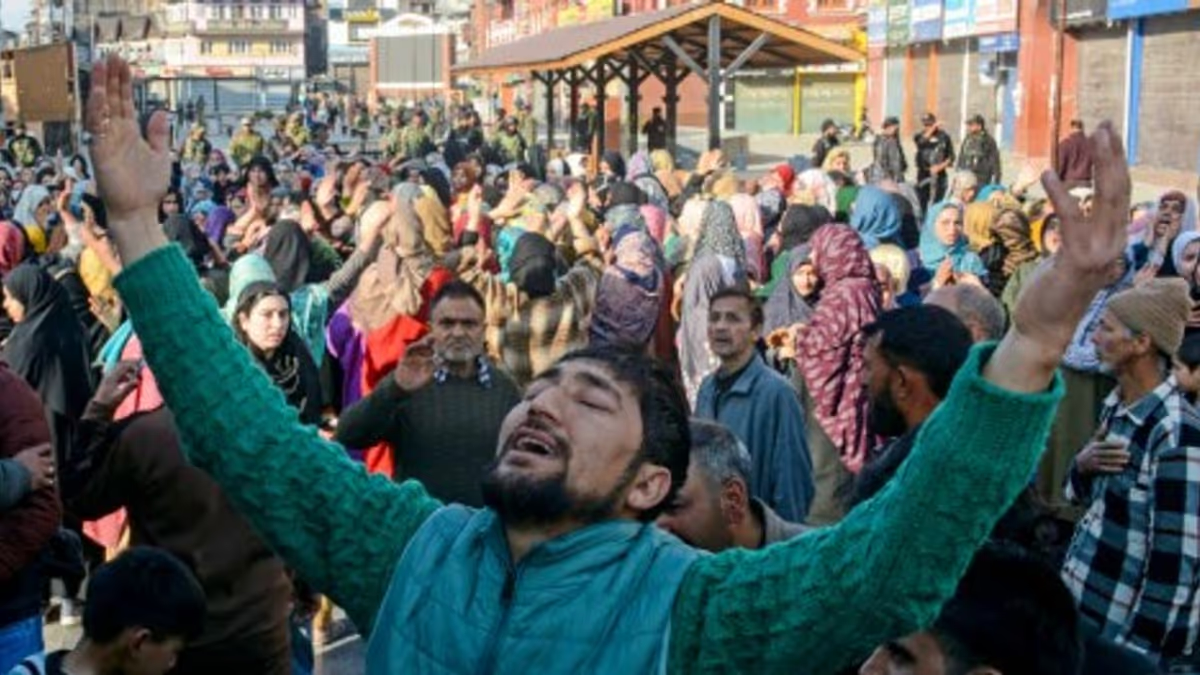
The restrictions were introduced after protests erupted across several parts of Kashmir following reports about the killing of Ali Khamenei in a joint United States–Israel military strike, an event that sparked demonstrations in many Muslim communities worldwide.
In Kashmir, the news triggered:
-
Mourning gatherings
-
Protest marches
-
Effigy burnings
-
Large congregations in public spaces
Authorities feared the demonstrations could escalate into broader unrest.
To prevent the situation from deteriorating, the administration imposed a series of precautionary measures including communication restrictions, movement curbs, and increased security deployment.
Nature of the Restrictions
The curbs introduced by authorities were designed to limit the spread of rumors and prevent large-scale mobilization through digital communication.
Key measures included:
Mobile Internet Downgrade
Mobile data services were reduced to 2G speeds, significantly limiting the ability to share videos, images, and real-time updates online.
Officials said the downgrade aimed to prevent rapid dissemination of provocative content on social media platforms.
Suspension of Prepaid Calling
Outgoing calling services for prepaid mobile users were temporarily suspended.
Authorities argued that restricting prepaid calls helps prevent coordination of protests through mass calling networks.
Movement Restrictions
In several districts, including Srinagar, authorities imposed restrictions under Section 144, banning public gatherings of more than four people.
Security forces established checkpoints and barricades across sensitive areas to monitor movement and maintain order.
Educational Closures
Schools and colleges across the Valley were closed as a precautionary measure.
Authorities announced that educational institutions would remain shut until March 7, prioritizing the safety of students and staff.
Restoration of Communication Services
After several days of monitoring the situation, authorities decided to restore services across the Valley.
Date of Restoration
March 6, 2026
Services Restored
The administration restored several key communication services:
-
High-speed 4G and 5G mobile internet
-
Outgoing prepaid mobile calling
-
Normal data connectivity for mobile users
Officials said the decision was taken after reviewing security reports that indicated sustained calm in most districts.
Why Authorities Lifted the Curbs
Security officials stated that the situation remained largely peaceful after Friday prayers, which are often considered a sensitive period during unrest.
Authorities concluded that:
-
Public gatherings had remained controlled
-
No major incidents of violence were reported
-
Security forces maintained effective monitoring
These factors led the administration to gradually lift restrictions.
However, officials stressed that security agencies will continue to monitor the situation closely.
Immediate Impact of Internet Restoration
The restoration of high-speed internet has immediate consequences for daily life across Kashmir.
Education Sector
Students and teachers who rely on digital communication for academic coordination welcomed the move.
During the restrictions:
-
Online classes were disrupted
-
Educational resources were difficult to access
-
Communication between schools and parents slowed down
With internet services restored, educational institutions can resume normal academic communication.
Business and Economy
Kashmir’s economy increasingly depends on digital infrastructure.
The communication restrictions had affected:
-
Online banking
-
Digital payments
-
E-commerce transactions
-
Tourism bookings
Local businesses reported significant disruptions during the shutdown.
The restoration of internet services allows:
-
Digital payment systems to function normally
-
Online transactions to resume
-
Businesses to reconnect with customers and suppliers
Social Communication
For residents, the restoration of communication services means reconnecting with friends and family.
During the shutdown:
-
Messaging apps were difficult to use
-
Social media activity slowed dramatically
-
Long-distance communication became complicated
Now, residents can once again use messaging platforms and social networks without severe limitations.
Public Sentiment: Relief Across the Valley
Residents across the Valley expressed relief after communication services were restored.
For many people, internet access is no longer just a convenience—it is essential for:
-
education
-
employment
-
financial transactions
-
social interaction
Local residents described the restoration as a return to normalcy after several tense days.
Security Forces Remain Alert
Despite the restoration of services, security forces remain deployed across sensitive districts.
Authorities say the move reflects a balanced approach between restoring normal life and maintaining vigilance.
Security personnel continue to monitor:
-
public gatherings
-
social media activity
-
potential protest calls
Officials say restrictions could be reimposed if the situation deteriorates.
A Recurring Pattern in Kashmir
Communication shutdowns have become a recurring feature of security management in Kashmir.
Authorities often restrict internet access during:
-
protests
-
elections
-
major security operations
-
periods of political tension
Officials argue these measures help prevent misinformation and violence.
However, critics say repeated shutdowns carry long-term consequences.
Debate Over Digital Rights
The use of communication restrictions has sparked ongoing debate among policymakers, activists, and technology experts.
Critics argue that internet shutdowns affect:
-
economic activity
-
press freedom
-
access to education
-
freedom of expression
Supporters of the policy argue that in sensitive regions, temporary communication restrictions can prevent violence and maintain stability.
This tension between security considerations and digital freedoms remains a major policy challenge.
Socio-Economic Consequences of Internet Shutdowns
Experts say repeated communication shutdowns can have significant economic consequences.
In Kashmir, sectors particularly affected include:
-
tourism
-
e-commerce
-
handicrafts exports
-
IT-enabled services
Even short disruptions can cause:
-
financial losses
-
delays in transactions
-
reduced investor confidence
Businesses increasingly rely on stable digital connectivity to operate efficiently.
What Happens Next
With communication services restored, authorities hope the region will gradually return to normal.
However, officials acknowledge that the situation remains sensitive due to the international dimension of the protests linked to the killing of Ali Khamenei.
Security agencies are expected to:
-
continue monitoring social media activity
-
maintain security deployments in key locations
-
assess the situation daily
Further decisions on restrictions will depend on developments on the ground.
Conclusion
The restoration of high-speed internet and prepaid calling services across Kashmir marks an important step toward normalcy after several days of restrictions imposed following protests related to the killing of Ali Khamenei.
For residents, businesses, and students, the return of full connectivity brings relief after days of digital disruption.
At the same time, the episode highlights the continuing challenge faced by authorities: maintaining security in a politically sensitive region while ensuring the free flow of communication and economic activity.
The coming days will determine whether the Valley maintains stability—or faces renewed tensions linked to broader geopolitical developments.