Oil Shock From Iran War Sends Tremors Through Kashmir’s Fragile Economy
By: Javid Amin | 07 March 2026
A Distant War, A Local Economic Storm
The ripple effects of a geopolitical earthquake in the Middle East are now being felt in the valleys of Kashmir. A surge in global crude oil prices—triggered by escalating hostilities between the United States, Israel, and Iran—has raised alarm bells among business leaders, traders, tourism operators, and transporters across the region.
For Kashmir’s already fragile economy, heavily dependent on tourism, agriculture, and small enterprises, the sudden rise in fuel prices threatens to trigger a chain reaction of higher costs, reduced consumer spending, and slower economic growth.
Global crude benchmarks have surged dramatically in recent days, with Brent crude touching around $90 per barrel, the highest level in months, amid fears of supply disruptions across the Middle East.
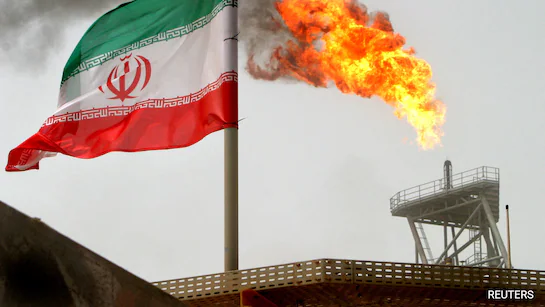
Energy markets have been shaken by attacks on regional infrastructure and the disruption of tanker traffic near the Strait of Hormuz—a narrow maritime corridor through which roughly one-fifth of the world’s oil supply normally flows.
The consequences of these developments are far from abstract for Kashmir. In a region where road transport is the lifeline of commerce, agriculture, and tourism, every increase in diesel or petrol prices translates directly into higher costs for businesses and households alike.
For “Kashmir Inc”—a term used locally to describe the region’s business ecosystem—the timing could not be worse. The tourism season is approaching, horticulture shipments are about to peak, and inflationary pressures are already squeezing household budgets.
The Global Trigger: War, Oil Markets and Geopolitics
How the Middle East Conflict Ignited an Oil Price Rally
The immediate trigger for the surge in oil prices is the rapidly escalating military conflict involving Iran, the United States, and Israel.
Military strikes targeting Iranian infrastructure have triggered retaliatory attacks across the region, creating fears of a wider war in the Gulf—one of the world’s most important energy hubs. Energy facilities, shipping routes, and refineries have all come under threat, prompting traders to anticipate disruptions in supply.
Oil markets are extremely sensitive to geopolitical risk, especially when conflicts involve major producers or critical transit routes.
Within days of the escalation, crude prices jumped sharply:
-
Brent crude surged above $90 per barrel, a multi-month high.
-
Prices have climbed roughly 17–20% within a week amid supply concerns.
-
Analysts warn that oil could reach $150 per barrel if the conflict intensifies further.
The markets are reacting not only to current disruptions but also to the possibility of future escalation.
If hostilities expand or the Strait of Hormuz remains partially blocked, the consequences could reverberate through global energy markets for months.
Why Oil Prices Matter So Much for India
India’s Heavy Dependence on Imported Energy
For India, one of the world’s fastest-growing economies, oil price volatility is a constant concern.
The country imports more than 80% of its crude oil requirements, making it extremely vulnerable to global price shocks.
When international oil prices rise:
-
India’s import bill increases sharply
-
Inflationary pressures intensify
-
The currency can weaken
-
Government finances come under strain
Energy costs influence almost every sector of the economy—from transportation and agriculture to manufacturing and services.
Historically, global oil shocks—from the 1973 Arab oil embargo to the 1990 Gulf War and the 2022 Russia-Ukraine crisis—have triggered waves of inflation and economic disruption worldwide.
The current situation is beginning to show similar warning signs.
Financial markets have already reacted to the geopolitical turmoil. Stock markets have turned volatile, and bond yields have climbed as investors anticipate higher inflation and tighter monetary conditions.
For India, these pressures quickly translate into higher fuel prices at petrol pumps and increased costs across supply chains.
Why Kashmir Is More Vulnerable Than Most Regions
A Mountain Economy Dependent on Transport
While rising oil prices affect the entire country, the impact on Kashmir is disproportionately severe.
The region’s geography and economic structure make it uniquely sensitive to fuel price shocks.
Unlike large metropolitan economies with diversified industries and multiple transport modes, Kashmir’s economy relies heavily on road transport.
Every truck that carries apples to Delhi, every tourist taxi heading to Gulmarg, and every supply vehicle bringing essential goods into the valley depends on diesel.
Even a small increase in fuel prices can ripple through the entire local economy.
Key vulnerabilities include:
-
Limited rail connectivity
-
High reliance on road freight
-
Seasonal tourism dependence
-
Energy shortages requiring diesel generators
Because of these structural factors, fuel costs are not just a transportation issue—they are a central economic variable.
Kashmir Inc: Growing Anxiety Among Business Leaders
Transport and Logistics Costs Rising Rapidly
Business associations in the region say the oil price surge could significantly raise transportation costs in the coming weeks.
Transporters, who already operate on thin margins, are particularly concerned.
Diesel accounts for a major portion of operating expenses for trucks and taxis. As fuel prices increase, transporters typically pass these costs onto traders, wholesalers, and ultimately consumers.
For Kashmir’s supply chain, this could mean:
-
Higher freight charges
-
Increased prices for vegetables, fruits, and consumer goods
-
Reduced profit margins for traders
Transporters say the situation could become even more challenging if fuel prices continue to rise globally.
Tourism Sector Faces New Uncertainty
Higher Travel Costs Could Affect Tourist Footfall
Tourism is the backbone of Kashmir’s economy.
Each year, millions of visitors travel to the valley to experience its landscapes, lakes, and mountains.
However, tourism is also extremely sensitive to economic and geopolitical developments.
Rising fuel prices could affect the sector in several ways:
-
Higher airfare and transport costs
-
More expensive local taxi services
-
Higher hotel operating costs
Tour operators warn that if travel costs increase significantly, some tourists may postpone or cancel trips.
This could be particularly damaging during the peak spring and summer season when Kashmir’s tourism industry earns most of its annual revenue.
Horticulture Sector: Apples, Freight and Fuel
Farmers and Traders Facing Cost Pressures
Kashmir’s horticulture industry—especially apple production—is another sector vulnerable to fuel price increases.
The region produces millions of tonnes of apples annually, most of which are transported by trucks to markets across India.
When diesel prices rise:
-
Freight costs increase
-
Cold storage expenses go up
-
Distribution becomes more expensive
Farmers and traders often struggle to absorb these additional costs.
In many cases, the burden eventually falls on consumers through higher prices.
However, if retail prices rise too much, demand may fall—creating a double challenge for growers.
Inflation Risks: The Household Impact
Fuel Prices and the Cost of Living
Rising oil prices rarely stay confined to the energy sector.
Instead, they gradually spread through the entire economy.
In Kashmir, higher fuel prices could translate into:
-
Increased food prices
-
More expensive transport fares
-
Higher electricity costs (for generator-dependent areas)
-
Rising prices of essential commodities
This creates a classic inflationary spiral.
When households spend more on essentials like transport and food, they reduce spending on discretionary items such as clothing, travel, and leisure.
For local businesses, this drop in consumer spending can be devastating.
Small Businesses Under Pressure
SMEs Struggling With Rising Input Costs
Small and medium enterprises (SMEs) form the backbone of Kashmir’s business ecosystem.
These include:
-
Handicraft manufacturers
-
Carpet weavers
-
Shawl producers
-
Small workshops and manufacturing units
Many of these businesses rely on diesel generators due to unreliable electricity supply.
When fuel prices rise, their production costs increase immediately.
For export-oriented handicraft industries, this can reduce competitiveness in international markets.
Some businesses may be forced to reduce output, cut jobs, or increase prices.
Supply Chain Risks: The Strait of Hormuz Factor
A Global Shipping Bottleneck
One of the biggest fears driving oil prices higher is the possibility of disruptions in the Strait of Hormuz.
This narrow waterway between Iran and Oman is one of the most strategically important maritime chokepoints in the world.
About 20% of global oil shipments pass through this corridor, making it a critical artery for global energy trade.
Recent attacks and security concerns have already slowed tanker traffic in the region.
Some shipping companies have temporarily halted operations, while insurers have raised premiums for vessels entering the Gulf.
If disruptions continue, the global supply of oil could tighten significantly.
Financial Markets Reflect Growing Anxiety
Bond Yields and Stock Markets React
The oil price surge has already begun to influence global financial markets.
Investors worry that higher energy costs could trigger a new wave of global inflation.
Some immediate consequences include:
-
Rising government bond yields
-
Declines in equity markets
-
Increased volatility in currency markets
Oil shocks have historically triggered economic turbulence.
When energy prices rise sharply, central banks often face a difficult choice between controlling inflation and supporting economic growth.
Currency Pressure: The Rupee Factor
Higher oil prices also affect India’s currency.
When crude prices increase:
-
India spends more dollars on imports
-
The trade deficit widens
-
The rupee may weaken
A weaker rupee makes imports even more expensive, further fueling inflation.
For Kashmir’s economy, this could amplify the impact of rising fuel prices.
Political and Social Tensions
Economic Stress Meets Regional Sensitivities
Economic pressure can sometimes intensify social and political tensions.
Reports indicate that regional protests and political anxieties linked to developments in the Middle East are coinciding with economic uncertainty.
While the direct connection may be limited, the combination of geopolitical tensions and rising living costs creates a fragile environment.
Authorities are closely monitoring the situation to prevent disruptions to daily life and economic activity.
Government’s Policy Dilemma
Balancing Inflation Control and Economic Relief
The Indian government faces a complex challenge.
On one hand, rising fuel prices increase inflation and strain household budgets.
On the other hand, reducing fuel taxes or offering subsidies could impact government revenues.
Possible policy responses include:
-
Temporary fuel tax reductions
-
Transport sector subsidies
-
Strategic oil reserve releases
-
Encouraging alternative energy adoption
However, each option involves trade-offs.
Possible Solutions and Mitigation Strategies
Short-Term Relief Measures
To support businesses and consumers, the government could consider:
-
Temporary fuel tax reductions
-
Subsidies for transporters and farmers
-
Support for tourism operators
These steps could help cushion the immediate economic shock.
Long-Term Energy Diversification
Reducing dependence on fossil fuels is also critical.
Kashmir has significant potential in renewable energy, including:
-
Hydropower
-
Solar power
-
Small-scale hydroelectric projects
Reviving projects like the Mohra Hydro Project could help reduce reliance on diesel generators.
Business Adaptation Strategies
Businesses themselves may need to adapt.
Tourism operators, for example, could:
-
Promote shared transport packages
-
Use digital marketing to attract higher-value tourists
-
Develop longer-stay packages to offset travel costs
Similarly, logistics companies may explore fuel-efficient vehicles and optimized transport routes.
The Road Ahead: A Critical Summer for Kashmir Inc
The coming months will be crucial for Kashmir’s economy.
If the conflict in the Middle East escalates further, oil prices could rise even more—deepening economic pressures.
Conversely, a diplomatic resolution could stabilize energy markets and ease inflationary concerns.
For now, uncertainty dominates.
Businesses, policymakers, and households across Kashmir are watching global developments closely.
A conflict thousands of kilometers away has once again demonstrated how interconnected the modern world has become.
In today’s global economy, a missile strike in the Middle East can alter fuel prices in South Asia—and reshape the economic prospects of a Himalayan valley.
Conclusion: A Global Crisis With Local Consequences
The surge in oil prices triggered by the Middle East conflict is more than just an energy market story.
For Kashmir, it represents a potential economic stress test.
Rising fuel prices threaten to increase transport costs, push inflation higher, and slow key sectors such as tourism and horticulture.
Unless global tensions ease—or governments intervene with relief measures—Kashmir’s businesses could face a difficult summer marked by rising costs and uncertain demand.
In a region already navigating economic fragility, the oil shock serves as a reminder of how global geopolitics can quickly reshape local realities.


