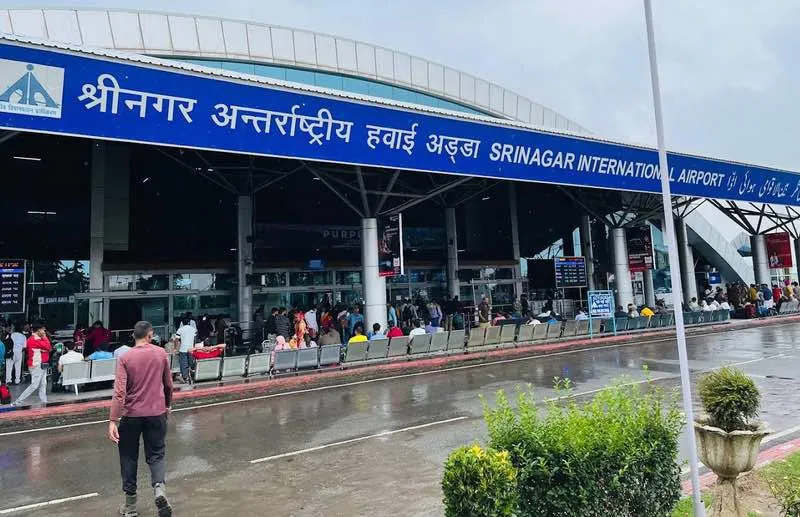
Srinagar Airport Flight Curbs 2026: Tourism Sector Faces Setback Amid Peak Season Rush
By: Javid Amin | 26 March 2026
A Critical Season Meets Operational Constraints
At a time when Kashmir prepares to welcome thousands of tourists for its peak summer season, a major operational change at Srinagar International Airport has triggered concern across the tourism and hospitality ecosystem.
Starting April 6, 2026, flight operations at the airport will be restricted to 8:00 AM to 5:00 PM, as the Indian Air Force undertakes crucial runway upgradation work. While the move is aimed at long-term infrastructure improvement, its immediate impact is being felt by airlines, tour operators, hoteliers, and travelers alike.
What’s Changing at Srinagar Airport
Runway Upgradation Work Underway
The Indian Air Force is carrying out:
- Runway carpeting
- Structural strengthening
- Operational upgrades
These improvements are expected to enhance long-term capacity, safety, and efficiency—potentially enabling larger aircraft and higher traffic volumes in the future.
Restricted Flight Window
For the duration of the project:
- Flights will operate only between 8 AM and 5 PM
- Approximately 30–34 flights per day will be accommodated
- Early morning and evening/night flights are suspended
Duration of Restrictions
Officials indicate that:
- The curtailed schedule will likely continue through summer into autumn 2026
- Exact timelines remain subject to project progress
This uncertainty is a key concern for stakeholders planning months ahead.
Also Read | Kashmir Spring 2026 Sale: Tulip Festival, Honeymoon & Family Packages from ₹30,000
Impact on Kashmir’s Tourism Economy
1. Peak Season Disruption
Summer (April–July) is the busiest tourism period in Kashmir, drawing visitors to destinations like Gulmarg, Pahalgam, and Sonamarg.
With limited flight slots:
- Fewer tourists may be able to secure convenient travel
- Group tours could face scheduling constraints
- Last-minute travel becomes difficult
2. Hospitality Sector Under Pressure
Hotels, guesthouses, and homestays are already expressing concern:
- احتمال cancellations due to travel inconvenience
- Lower occupancy rates during peak months
- Revenue uncertainty for small operators
Tour operators warn that even a 10–15% drop in arrivals can significantly impact seasonal earnings.
3. Corporate & Weekend Travel Hit
Business travel—especially weekend conferences and corporate events—may be disrupted:
- Limited arrival/departure flexibility
- Difficulty aligning schedules with restricted flight windows
- Reduced attractiveness as a conference destination
4. Airfare Surge & Traveler Experience
With fewer operational hours:
- Demand is compressed into a shorter window
- Airfares may increase due to limited supply
- Flights are likely to be more crowded
For travelers, this translates into:
- Less choice
- Higher costs
- Potential delays
Tourism Sector Concerns at a Glance
| Concern | Details |
|---|---|
| Reduced Arrivals | Limited slots may cap tourist inflow |
| Economic Losses | Hotels, taxis, guides face revenue dips |
| Operational Uncertainty | Timeline of restrictions unclear |
| Travel Inconvenience | Higher fares, crowded schedules |
Also Read | Kashmir Tulip Festival 2026: India’s Most Colorful Spring Escape You Can Experience for Just ₹20,500
Strategic Outlook: Short-Term Pain, Long-Term Gain?
Short-Term Reality
In the coming months:
- Morning and afternoon flights will be congested
- Advance booking will become essential
- Tourism stakeholders may need to recalibrate expectations
Medium-Term Adjustments
Industry players are likely to:
- Lobby for extended operating hours, if feasible
- Adjust itineraries with buffer time
- Promote alternative travel routes
Long-Term Benefits
Once completed, the runway upgrade could:
- Increase flight capacity
- Allow larger aircraft operations
- Improve overall connectivity to Kashmir
In essence, the current disruption may pave the way for future growth.
Traveler Advisory: How to Plan Your Kashmir Trip
Before Booking
- Book flights well in advance
- Prefer morning slots for better reliability
- Monitor airline schedule updates
Accommodation Planning
- Coordinate early check-ins or late check-outs
- Inform hotels about arrival timings
- Choose flexible booking options
Alternative Travel Routes
If Srinagar flights are unavailable, consider:
- Jammu as an entry point (followed by road travel)
- Chandigarh or Delhi as connecting hubs
Travel Smart
- Travel light for easier transit
- Allow buffer time for delays
- Stay updated with official advisories
For Tourism Operators & Businesses
Operational Adjustments
- Redesign itineraries around flight schedules
- Offer flexible packages
- Build buffer days into travel plans
Customer Communication
- Clearly inform clients about restrictions
- Provide real-time updates
- Manage expectations proactively
Explore Hybrid Travel Models
- Combine air and road travel options
- Partner with transport providers
- Offer curated road journeys from nearby cities
Expert Insight: Infrastructure vs Economy Trade-Off
From a socio-economic perspective, this situation reflects a classic trade-off:
- Short-term economic disruption
vs - Long-term infrastructure gains
While tourism may take a temporary hit, improved airport capacity could:
- Boost future tourist inflow
- Enhance regional connectivity
- Strengthen Kashmir’s position as a global destination
Also Read | Kashmir Tulip Festival 2026 Tour Package 4N/5D @ ₹ 30,000 Couple
Conclusion: Navigating a Transitional Phase
The flight restrictions at Srinagar Airport come at a challenging time—but they are not insurmountable.
✔ Kashmir remains open to tourists
✔ Flights are operating, albeit within limits
✔ Infrastructure upgrades promise long-term benefits
Final Takeaway
The message is clear:
Plan early, stay flexible, and stay informed.
For travelers, it’s about smart planning.
For the tourism industry, it’s about adaptation.
For Kashmir, it’s a transition toward stronger infrastructure.