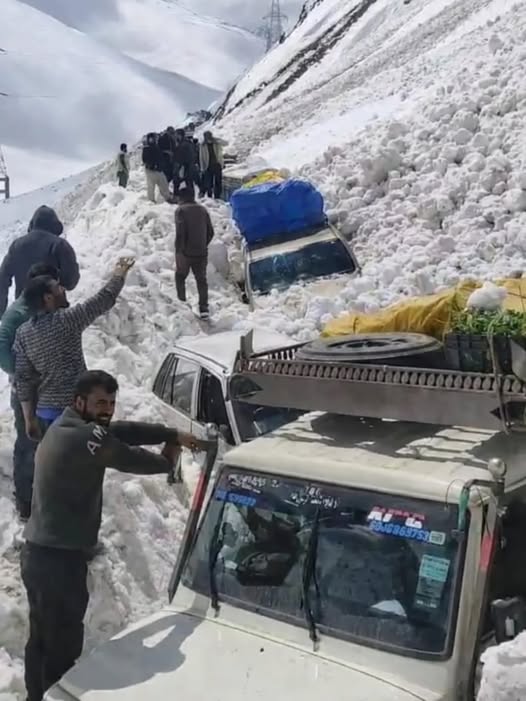
Zojila Pass Avalanche 2026: 6–7 Dead, Vehicles Buried, Rescue Operations Ongoing
By: Javid Amin | 27 March 2026
Breaking News from the Himalayas
A devastating avalanche struck multiple vehicles at the high-altitude Zojila Pass on Friday, March 27, 2026, leaving at least 6 to 7 people dead and several others injured, according to emerging reports.
The incident occurred near Zero Point on the strategic Srinagar–Leh highway, a corridor known for its treacherous terrain and unpredictable weather. Rescue operations are currently underway under extremely challenging conditions, with fears that more people may still be trapped beneath the snow.
Incident Overview: What Happened?
The avalanche hit a convoy of civilian vehicles passing through a vulnerable stretch of the highway.
Key Details:
- Location: Zojila Pass (Zero Point)
- Date: March 27, 2026
- Casualties:
- 6–7 fatalities confirmed across reports
- Several injured
- Initial reports indicated more people may have been trapped
Impact:
- Multiple vehicles were completely buried under thick snow layers
- Survivors were trapped in freezing conditions until rescue teams arrived
Zojila Pass Terrain
Rescue & Relief Operations: Race Against Time
Multiple agencies have been mobilized in a coordinated response effort.
Agencies Involved:
- Police teams
- State Disaster Response Force (SDRF)
- Border Roads Organisation (BRO)
- Local administration and disaster management units
Challenges on Ground:
- Sub-zero temperatures
- Deep snow accumulation
- Risk of secondary avalanches
- Limited accessibility due to blocked roads
Medical Response:
Injured victims have been:
- Evacuated to hospitals in Ganderbal
- Shifted to facilities in Kargil
Authorities are prioritizing critical care and stabilization.
Highway Status: Lifeline Disrupted
The Srinagar–Leh Highway remains blocked following the avalanche.
Current Situation:
- Snow clearance operations underway
- Traffic suspended indefinitely
- Restoration dependent on weather conditions
This highway is a strategic and economic lifeline, connecting Kashmir with Ladakh.
Avalanche Risk: Why Zojila Is So Vulnerable
Seasonal Factors:
- Heavy snowfall accumulation during winter
- Rapid temperature fluctuations in early spring
- Weak snowpack layers prone to collapse
Geographic Risks:
- Steep slopes
- Narrow road corridors
- High-altitude wind patterns
Together, these create ideal conditions for sudden snow slides.
Casualty Discrepancy: Why Numbers Vary
Early-stage disaster reporting often presents conflicting figures due to:
- Ongoing rescue operations
- Communication challenges in remote terrain
- Delays in official confirmation
Current Consensus:
At least 6–7 fatalities are confirmed, though numbers may change as operations continue.
Administrative Response
Authorities have acted swiftly:
- Senior officials monitoring the situation
- District administrations mobilized for relief
- Emergency protocols activated
The Lieutenant Governor of Ladakh has reportedly directed:
- Immediate rescue prioritization
- Full logistical support to ground teams
Travel Advisory: Avoid Non-Essential Movement
Officials have issued a strong advisory:
Do Not Travel If:
- Journey is non-essential
- Weather conditions remain unstable
Risks for Travelers:
- Sudden avalanches
- Road blockages
- Stranding in sub-zero temperatures
Expert Insight: A Preventable Pattern?
This incident highlights recurring structural issues in Himalayan mobility:
Key Observations:
- Avalanche-prone zones often lack real-time monitoring systems
- Traffic movement sometimes continues despite high-risk forecasts
- Emergency response remains reactive rather than predictive
Policy Gap:
There is increasing need for:
- Avalanche forecasting technology
- Controlled convoy systems
- Temporary closures during high-risk windows
What Happens Next?
Short-Term:
- Rescue operations will continue until all vehicles are cleared
- Casualty figures may be updated
- Highway reopening depends on weather stabilization
Long-Term:
- Possible review of safety protocols at Zojila
- Increased focus on tunnel infrastructure (like Zojila Tunnel project)
Key Takeaways
- A deadly avalanche at Zojila Pass has killed at least 6–7 people
- Rescue operations are ongoing under extreme conditions
- Srinagar–Leh highway remains बंद and inaccessible
- Authorities warn against travel due to continued avalanche risk
- Incident underscores urgent need for better avalanche management systems
Final Word
The tragedy at Zojila Pass is a stark reminder of the fragile balance between connectivity and nature in the Himalayas.
As rescue teams battle time and terrain to save lives, the focus must now shift toward preventing such disasters in the future—through better planning, technology, and stricter travel regulation.
In regions like these, survival often depends not just on response—but on anticipation.


