Lebanon Becomes Ground Zero: April 9 War Update Signals Ceasefire Breakdown Risk
By: Javid Amin | 09 April 2026
The fragile ceasefire between the United States and Iran is now under severe strain—and the center of gravity has shifted decisively to Lebanon.
As of April 9, 2026, escalating Israeli airstrikes, retaliatory rocket fire by Hezbollah, and Iran’s calibrated use of the Strait of Hormuz as leverage have created a volatile and interconnected crisis.
While the ceasefire technically remains in place, events on the ground suggest it is rapidly losing coherence.
Ground Report (April 9, 2026): Verified Developments
Israel: Largest Lebanon Strikes and High-Value Targeting
Israel has intensified its military campaign in Lebanon under what it calls a targeted operation against Hezbollah infrastructure.
Key Developments
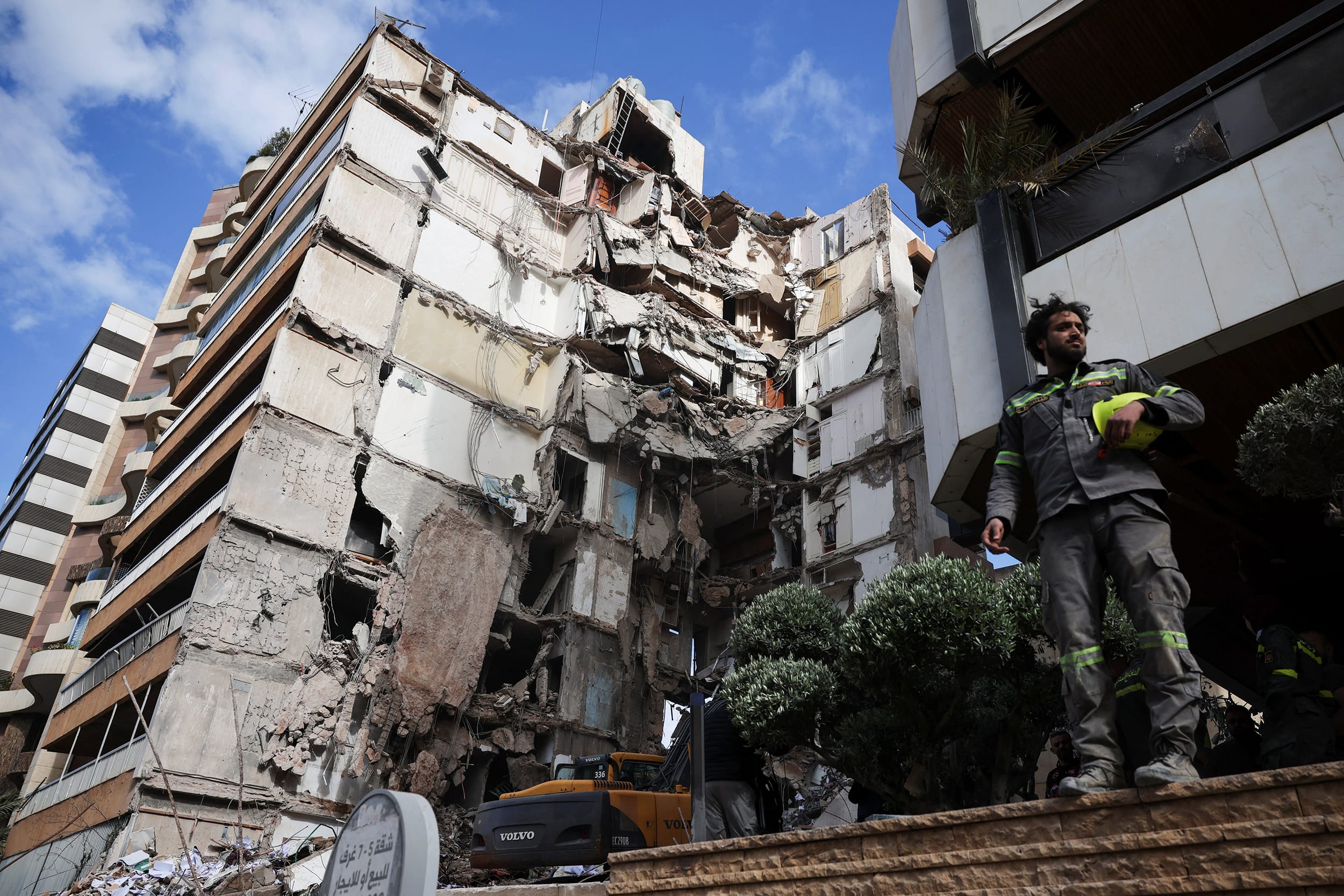
- Sustained bombardment of Beirut, Tyre, and southern regions
- Casualties: 254+ killed, over 1,100 injured (past 48 hours; figures still evolving)
- Civilian zones among impacted areas, according to ground reports
Leadership Strike Claim
Israel has claimed the killing of Naim Qassem, the Secretary-General of Hezbollah.
- Status: Not independently confirmed by Hezbollah
- Significance: If verified, this would represent a major decapitation strike
Israel also maintains that Lebanon is not covered under the US–Iran ceasefire, reinforcing its operational freedom.
Lebanon: Humanitarian Catastrophe Deepens
Ground reports from across Lebanon paint a severe picture:
Human Impact
- 1.2 million displaced, including over 138,000 children
- Urban destruction in and around Beirut and southern regions
- Shelters overwhelmed; repeated displacement cycles reported
System Stress
- Hospitals nearing capacity
- Limited access to essential services
- Growing psychological trauma among civilians
The United Nations has warned of a rapidly deteriorating humanitarian situation.
Iran: Hormuz Lever and Diplomatic Red Lines
Iran has adopted a dual-track strategy:
Hormuz Dynamics
- Brief reopening of the Strait of Hormuz after disruption
- Warning of sea mines and alternative shipping routes
- Continued signaling that Hormuz access is conditional
Ceasefire Condition
Iran has reiterated:
- Lebanon must be included in the ceasefire
- Otherwise, it will withdraw from Islamabad talks
This transforms the ceasefire from bilateral to regional in scope.
United States: Pressure and Diplomacy
Donald Trump continues to balance escalation and diplomacy:
Key Signals
- Renewed threat of “complete demolition” of Iranian infrastructure if Hormuz closes again
- Strong push for April 10 negotiations in Islamabad
- Engagement with European allies, who are pushing for Lebanon’s inclusion
The U.S. faces a structural challenge:
It supports Israel—but must also sustain a ceasefire framework that Israel is not fully observing.
Saudi Arabia: Quiet but Critical Diplomatic Channel
Saudi Arabia has entered the diplomatic field:
- First official contact with Iran since escalation
- Discussions remain cautious and tense
- Recent Iranian strikes on Saudi industrial sites have hardened Riyadh’s position
Despite this, the dialogue represents a potential de-escalation channel.
Hezbollah: Re-Engagement and Escalation Risk
Hezbollah has resumed active operations:
- Rocket fire into northern Israel
- Justified as response to continued Israeli strikes
If leadership losses are confirmed, the group could:
- Fragment
- Escalate unpredictably
- Intensify retaliatory operations
Situation Snapshot (April 9, 2026)
| Actor | Action | Impact |
|---|---|---|
| Israel | Intensified Lebanon strikes, leadership targeting | Civilian toll, escalation risk |
| Iran | Hormuz reopening with mine warning | Energy volatility, leverage maintained |
| United States | Ultimatum + diplomacy | Pressure on both Iran and Israel |
| Hezbollah | Rocket attacks | Multi-front war risk |
| Saudi Arabia | Talks with Iran | Fragile diplomatic opening |
| Lebanon | Mass displacement | Humanitarian crisis |
Key Risks Ahead
1. Ceasefire Collapse
The exclusion of Lebanon is the core structural weakness:
- Parallel conflicts undermine trust
- Iran may exit negotiations
2. Leadership Vacuum
If Naim Qassem is confirmed dead:
- Risk of fragmented command
- Increased unpredictability
- Possible escalation beyond current levels
3. Energy Shock
- Hormuz mine threats could disrupt shipping
- Oil markets remain highly sensitive
- Any closure could trigger a sharp price spike
4. Diplomatic Breakdown
The April 10 Islamabad talks face a critical test:
- Lebanon inclusion vs exclusion
- Alignment between U.S. and Israel
- Iran’s willingness to engage
Scenario Outlook: What Happens Next
🟢 Success – Expanded Ceasefire
- Lebanon included
- Iran attends talks
- Hormuz remains open
Impact: Stabilization, oil drops, humanitarian relief begins
🟠 Partial Breakdown – Fragile Stability
- Talks proceed
- Lebanon conflict continues at lower intensity
- Hormuz open but tense
Impact: Volatile markets, ongoing displacement
🔴 Collapse – Return to War
- Iran withdraws
- Hormuz closes
- Israel escalates strikes
Impact: Oil shock, regional war, humanitarian disaster worsens
Global Implications
This crisis is now multi-dimensional:
- Energy: Hormuz disruption affects global oil flows
- Security: Multi-front escalation risk rising
- Diplomacy: Competing agendas complicate resolution
For countries like India:
- Energy imports remain vulnerable
- Inflation risks tied directly to Gulf stability
Final Assessment: A Ceasefire in Critical Condition
The April 9 ground reality reveals a clear pattern:
- The ceasefire exists—but lacks cohesion
- Lebanon has become the निर्णायक battlefield
- Strategic objectives of key players are diverging
Bottom Line
- Israel’s intensified Lebanon strikes are destabilizing the ceasefire
- Iran is leveraging Hormuz while setting new diplomatic conditions
- Hezbollah’s re-engagement raises escalation risks
- April 10 Islamabad talks are now a निर्णायक turning point
Unless Lebanon is brought under the ceasefire framework, the current pause may collapse—triggering a wider regional conflict with global economic consequences.