A New Condition, A New Risk: Iran Links Diplomacy to Lebanon Ceasefire
By: Javid Amin | 08 April 2026
Just as a fragile pause emerged in the escalating U.S.–Iran conflict, a new condition has introduced fresh uncertainty.
Iran has informed mediators that its participation in upcoming negotiations in Islamabad will depend on one critical factor: a complete halt to Israeli military operations in Lebanon.
This development adds a new layer to an already complex crisis. What began as a confrontation over the Strait of Hormuz is now evolving into a broader regional equation—where events in Lebanon could determine whether diplomacy proceeds or collapses.
Ground Reality (April 8, 2026): Ceasefire Holds—But Only Partially
A two-week ceasefire between Iran and the United States—mediated by Pakistan—is currently in effect, following intense military exchanges.
Often referred to as the “Islamabad Accord” (proposed), the agreement includes:
- Suspension of U.S.–Israel strikes on Iran
- Temporary reopening of the Strait of Hormuz
- A diplomatic window leading to talks on April 10
However, the ceasefire is not fully comprehensive.
The Gap
While strikes on Iran have paused, Israeli operations in Lebanon continue—creating a disconnect between battlefield reality and diplomatic expectations.
Iran’s Position: Conditional Engagement
Tehran has made its stance clear:
- It accepts the two-week ceasefire framework
- It is willing to participate in negotiations
- But only if hostilities in Lebanon cease immediately
This is not a minor demand—it is a strategic condition that expands the scope of negotiations.
Why Lebanon Matters to Iran
Iran’s regional strategy includes:
- Political and military alignment with actors in Lebanon
- Strategic depth beyond its borders
- Deterrence through regional networks
Continued Israeli strikes in Lebanon are therefore viewed not as isolated actions—but as part of the broader conflict.
Pakistan’s Mediation: A Delicate Balancing Act
Shehbaz Sharif has positioned Pakistan as a central mediator in this crisis.
Key Diplomatic Moves
- Inviting U.S. and Iranian delegations to Islamabad
- Facilitating backchannel communications
- Promoting a phased de-escalation framework
Pakistan’s role is significant for several reasons:
- It maintains working relations with both Washington and Tehran
- It is seen as relatively neutral compared to regional powers
- It offers a diplomatic platform outside traditional Western mediation
However, the Lebanon condition now complicates this effort.
U.S. Position: Open but Cautious
The United States has agreed to:
- The two-week ceasefire
- Participation in Islamabad talks
Washington views Iran’s 10-point proposal as a “workable basis”—a notable shift from outright rejection to cautious engagement.
However:
- The U.S. does not directly control Israeli operations in Lebanon
- It faces a coordination challenge with its regional ally
This creates a diplomatic dilemma:
Can Washington guarantee conditions it does not fully control?
Israel’s Role: The Unresolved Variable
Israel continues airstrikes in Lebanon despite the broader ceasefire framework.
Implications
- Undermines the credibility of the ceasefire
- Increases civilian risk in Lebanon
- Complicates diplomatic sequencing
Israel’s actions reflect its own security priorities, particularly concerns about threats emanating from Lebanese territory.
But strategically, this creates a misalignment within the ceasefire structure.
Situation in Lebanon: The Human and Strategic Cost
Ongoing Strikes
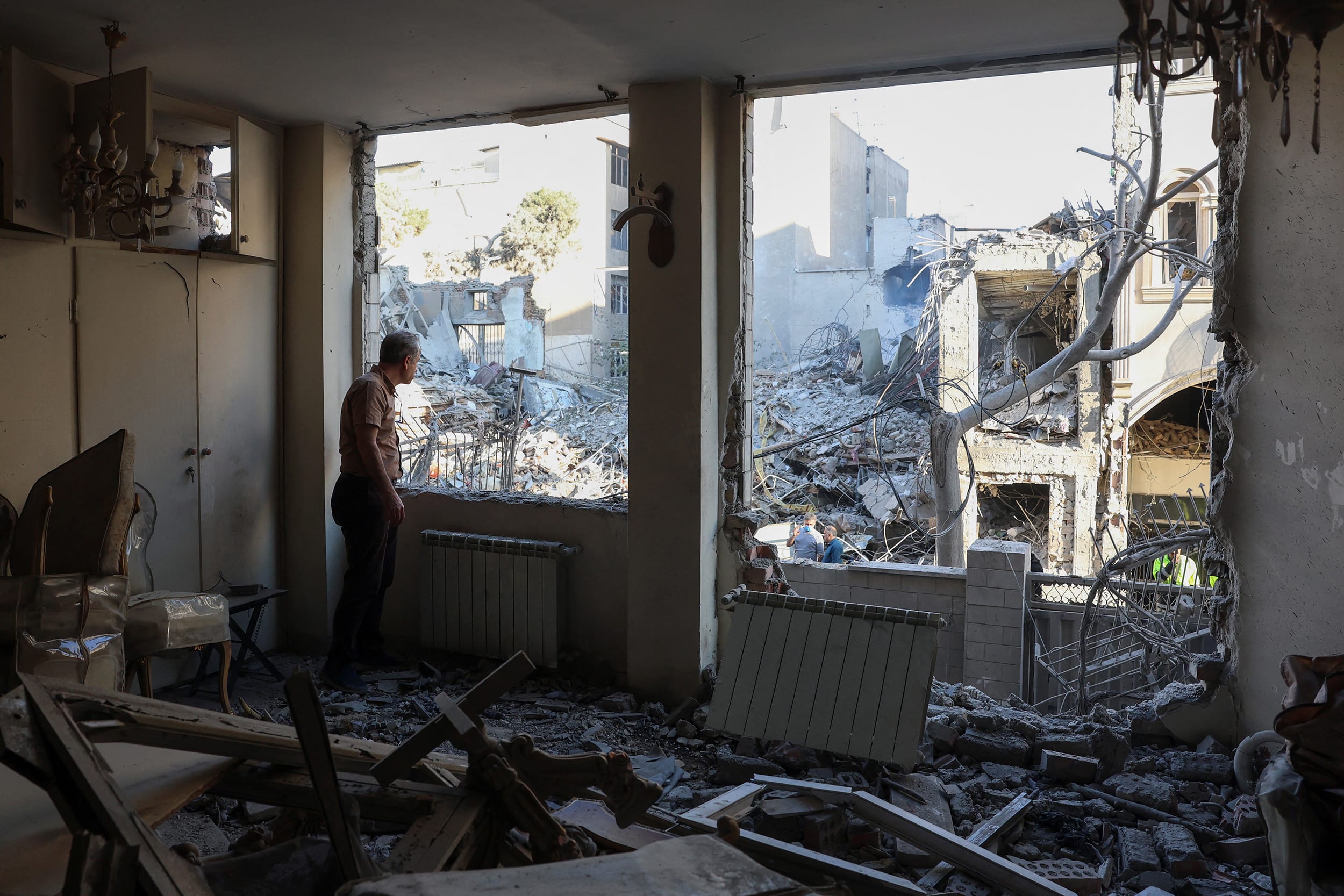
Airstrikes continue across parts of Lebanon, including areas near Beirut.
Humanitarian Impact
- Civilian casualties reported
- Families displaced
- Shelters overwhelmed
The humanitarian situation is deteriorating even as diplomacy attempts to stabilize the broader conflict.
International Response: Support with Caution
The United Nations has:
- Welcomed the ceasefire
- Warned that continued violence in Lebanon threatens its success
Other global actors are:
- Encouraging de-escalation
- Supporting mediation efforts
- Monitoring oil and security risks
Timeline: Critical Days Ahead
April 7, 2026
- Ceasefire announced between U.S. and Iran
- Pakistan mediates agreement
April 8, 2026
- Iran accepts ceasefire
- Adds Lebanon ceasefire as condition for talks
April 10, 2026
- Scheduled negotiations in Islamabad
What to Watch Before April 10
1. Ceasefire in Lebanon
- Will Israeli strikes pause?
- Can mediators expand the ceasefire geographically?
2. Diplomatic Coordination
- Can the U.S. align Israel with broader ceasefire goals?
- Will Iran remain engaged if conditions are unmet?
3. Negotiation Agenda
Expected key issues:
- Sanctions relief
- Nuclear enrichment rights
- Control and access to the Strait of Hormuz
Quick Summary
| Actor | Position | Condition / Action |
|---|---|---|
| Iran | Accepted ceasefire | Demands Lebanon ceasefire before talks |
| United States | Agreed to ceasefire | Open to negotiations |
| Pakistan | Mediator | Hosting April 10 talks |
| Israel | Continuing Lebanon strikes | Risks undermining ceasefire |
| UN | Supports ceasefire | Warns of fragility |
Strategic Outlook: Three Possible Paths
🟢 Scenario 1: Talks Proceed
- Lebanon strikes pause
- Iran attends Islamabad talks
- Ceasefire stabilizes
🟡 Scenario 2: Partial Engagement
- Talks proceed with tension
- Lebanon violence continues at lower intensity
- Fragile diplomatic progress
🔴 Scenario 3: Talks Collapse
- Iran withdraws
- Ceasefire weakens
- Strikes resume across multiple fronts
Final Assessment: Diplomacy at a Crossroads
The April 10 meeting in Islamabad is no longer just a negotiation—it is a test of whether regional diplomacy can keep pace with battlefield realities.
Iran’s condition has effectively expanded the scope of the crisis:
- From Hormuz → to Lebanon
- From bilateral → to regional
This makes the diplomatic challenge far more complex.
Bottom Line
- A fragile ceasefire is holding—but only partially
- Iran’s participation in talks now hinges on Lebanon
- Israel’s continued strikes risk derailing diplomacy
- The April 10 Islamabad meeting is a निर्णायक moment
If violence in Lebanon continues, the diplomatic window may close—pushing the region back toward escalation just days after stepping back from the brink.