Israel–US Strike Iran Railways, Tehran Retaliates With Missiles as War Risk Surges and Hormuz Crisis Deepens
By: Javid Amin | 07 April 2026
From Shadow Conflict to Open Escalation
The conflict involving Iran, Israel, and the United States has entered a dangerous new phase.
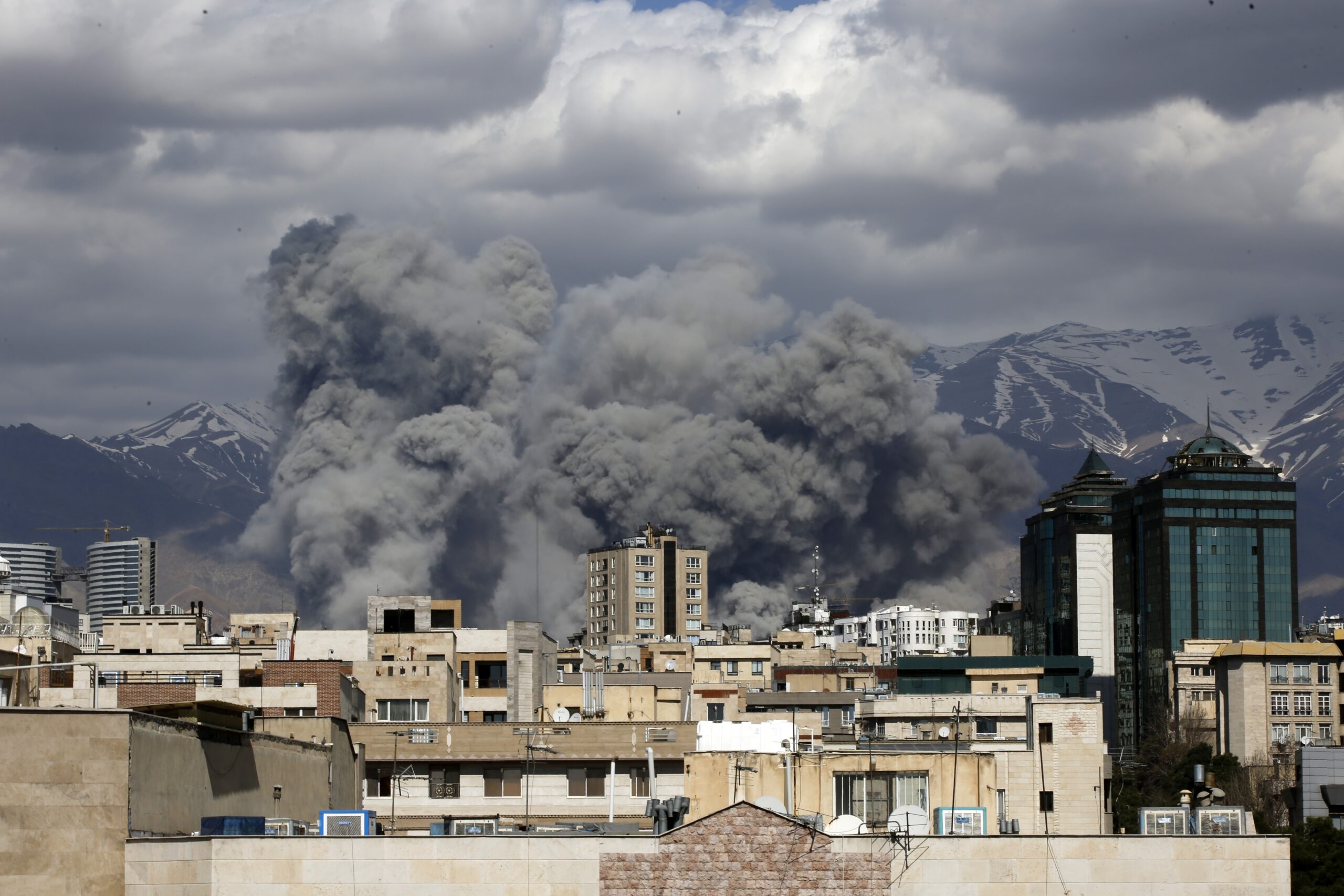
Airstrikes have expanded beyond military and energy targets to include critical civilian infrastructure, with railway lines, bridges, and highways now under attack. In response, Tehran has shifted decisively from restraint to retaliation, launching missiles toward Israel and warning that further escalation will follow.
This transition—from indirect confrontation to direct military exchange—marks a pivotal moment with implications far beyond the region.
Infrastructure Under Fire — Railways, Bridges, Highways Targeted
Expanding Target List
Recent Israeli–US strikes have hit key transport arteries across Iran, including:
- Tabriz
- Mianeh
- Zanjan
- Kashan
Railway lines in these regions—critical for both civilian mobility and logistical supply—have been severely damaged.
Immediate Civilian Impact
- Suspension of rail services across northern and central Iran
- Disruption of goods movement and passenger travel
- Knock-on effects for food supply chains and industrial logistics
Bridges and highways have also been struck, compounding the disruption and signaling a deliberate shift toward infrastructure warfare.
Strategic Interpretation
Targeting transport networks serves multiple military objectives:
- Disrupting troop movement and logistics
- Weakening economic resilience
- Increasing internal pressure on leadership
However, it also raises humanitarian concerns, as civilian populations bear the immediate burden.
Iran Retaliates — “Our Restraint Is Over”
Missile Launches Toward Israel
In a significant escalation, Iran has launched missiles toward Israeli territory. Air defense systems in Israel were activated, intercepting incoming threats.
IRGC’s Strategic Shift
The Islamic Revolutionary Guard Corps (IRGC) declared:
“Our restraint is over.”
This statement signals a doctrinal shift:
- From deterrence → active retaliation
- From indirect proxy engagement → direct confrontation
Political Messaging in Tehran
Iranian leadership has framed the escalation as a response to “reckless aggression,” warning that continued attacks could plunge the region into what officials describe as a “living hell.”
Casualties and Human Cost
Rising Death Toll
- At least 34 people killed, including children
- Casualties linked to recent Israeli–US strikes
Civilian Vulnerability
With infrastructure targeted:
- Evacuation routes become limited
- Emergency response times increase
- Economic hardship intensifies
The humanitarian dimension is rapidly expanding alongside military escalation.
Energy Flashpoint — Hormuz and Global Oil Shock
At the center of the crisis lies the Strait of Hormuz.
Current Energy Market Signals
- Brent crude above $105/barrel
- Volatility increasing sharply
- Insurance costs for tankers rising
Strategic Risk
If Hormuz remains closed or threatened:
- Up to 20% of global oil supply is at risk
- Prices could surge dramatically within days
- Strategic reserves may be deployed globally
Energy Infrastructure Under Threat
Strikes on the South Pars gas field—one of the world’s largest—have amplified fears of long-term supply disruption.
Global Trade Disruption — Supply Chains Under Stress
Shipping Challenges
- Tankers rerouted away from Hormuz
- Transit delays of 10–12 days
- Freight costs rising sharply
Broader Economic Impact
- Increased cost of goods globally
- Delays in manufacturing supply chains
- Heightened inflation risk
This is evolving into a multi-sector economic shock, not just an energy crisis.
Diplomatic Efforts — Racing Against Escalation
Efforts to de-escalate are intensifying.
Key mediators include:
- Oman
- Turkey
Diplomatic Challenges
- Iran has rejected the latest ceasefire proposal
- Demands include sanctions relief and permanent cessation of hostilities
- Hardline rhetoric on all sides limits compromise
Fragile Mediation Window
Diplomacy is now operating under severe time pressure, with the next 48–72 hours seen as critical.
Trump’s Ultimatum — A High-Stakes Deadline
Donald Trump has issued a stark warning:
- Reopen Hormuz or face “complete demolition” of infrastructure
- Potential targets include power plants and bridges
Strategic Implications
This ultimatum:
- Raises stakes dramatically
- Limits diplomatic maneuvering
- Increases risk of miscalculation
Timeline of Escalation (April 1–7, 2026)
April 1–3
- Initial strikes hit South Pars gas field and military sites
- Iran warns but avoids direct retaliation
April 4–5
- Strikes expand to Tehran
- Ceasefire rejected; ultimatum issued
April 6
- Bridges and highways targeted
- Oil prices surge past $105
April 7
- Railways struck in multiple cities
- Iran launches missiles; declares escalation
Geopolitical Risk–Impact Matrix
| Risk Factor | Immediate Impact | Next 48–72 Hours | Long-Term Outlook |
|---|---|---|---|
| Oil Prices | >$105/barrel | Likely surge | Sustained inflation |
| Shipping | Hormuz disruption | Possible closure | Trade slowdown |
| Security | Missile exchanges | Regional war risk | Prolonged instability |
| India | Import pressure | Inflation spike | Energy diversification |
| Diplomacy | Ceasefire rejected | Fragile talks | New regional alignments |
India’s Exposure — A High-Stakes Economic Challenge
For India, the crisis carries immediate and long-term risks.
Energy Dependence
- ~85% crude import reliance
- Significant exposure to Hormuz route
Economic Pressure Points
- Rising fuel costs
- Inflation in transport and agriculture
- Pressure on currency and trade balance
Strategic Options
- Diversify energy suppliers
- Expand renewables
- Strengthen strategic reserves
Risk Outlook — The Next 48 Hours
Key Scenarios
- Contained Escalation
Limited strikes, diplomacy stabilizes situation - Regional Expansion
Gulf states and proxies drawn in - Full-Scale Conflict
Multi-country war with global economic fallout
Conclusion: A Conflict at the Brink
The shift toward infrastructure strikes and direct missile retaliation marks a turning point.
What was once a contained geopolitical rivalry is now:
- A direct military confrontation
- A global energy crisis trigger
- A test of international diplomacy
The coming days will determine whether this remains a regional conflict—or evolves into a wider war with global consequences.
Final Takeaway
This is no longer just a Middle East crisis. It is a global inflection point affecting energy, trade, and security.
With rhetoric hardening and military actions intensifying, the margin for error is rapidly shrinking.
The next 48–72 hours will be decisive.