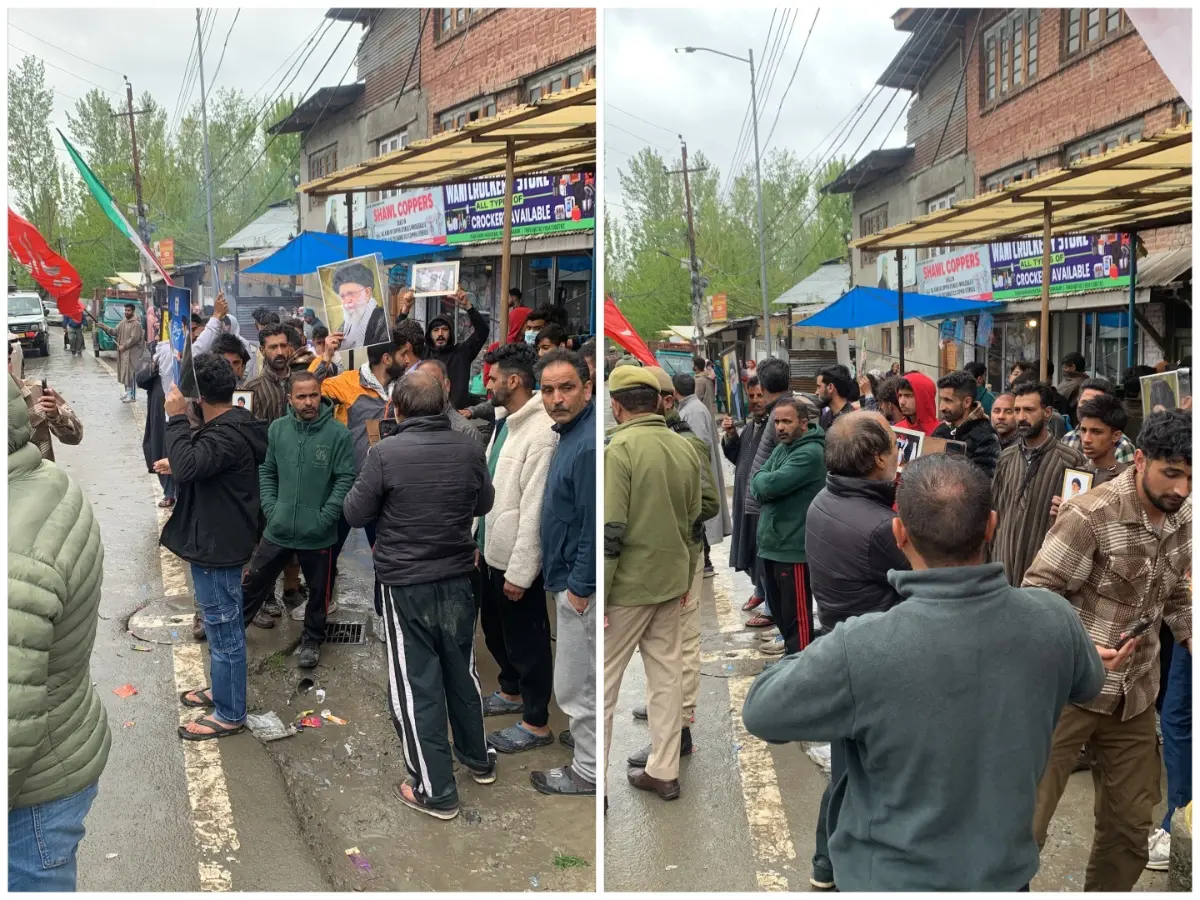
Kashmir Celebrates US–Iran Ceasefire | Valley Sees Hope for Peace & Tourism Revival
By: Javid Amin | 08 April 2026
A Valley Pauses to Celebrate Peace
On April 9, 2026, an unusual calm swept across Kashmir—but this time, it was not the silence of uncertainty. It was the quiet relief that follows hope.
From the bustling streets of Srinagar to the quieter neighborhoods of Anantnag and Baramulla, people gathered in small groups, lit candles, exchanged sweets, and shared a rare moment of collective optimism.
The reason: a fragile but significant ceasefire between the United States and Iran—an agreement that may seem geographically distant, yet resonated deeply in the Valley.
For Kashmir, a region shaped by decades of conflict and geopolitical tension, peace anywhere feels personal.
Why a West Asia Ceasefire Matters to Kashmir
At first glance, a ceasefire in West Asia may appear disconnected from daily life in Kashmir. But the emotional and political links run deeper than geography.
Shared Histories of Conflict and Identity
Kashmir’s connection with West Asia is layered:
- Cultural and religious ties with regions like Lebanon and Palestine
- Long-standing political awareness of global Muslim issues
- Economic dependencies linked to oil markets and remittances
This explains why the ceasefire—reportedly facilitated by diplomatic efforts involving Pakistan and backed by the United Nations—triggered such a strong response.
Political Reactions: Rare Unity Across Party Lines
In a region where political consensus is rare, the ceasefire produced a moment of convergence.
Mainstream Parties Welcome the Move
Leaders from:
- Jammu and Kashmir Peoples Democratic Party (PDP)
- Jammu and Kashmir National Conference (NC)
- Jammu and Kashmir Apni Party
…issued statements welcoming the truce.
Key Themes in Their Responses
- Hope for regional stability
- Reduced geopolitical tensions
- Indirect economic benefits for Kashmir
Political leaders highlighted a practical dimension: peace in oil-producing regions stabilizes fuel prices, which in turn influences:
- Transportation costs
- Tourism affordability
- Local business activity
Civil Society Speaks: ‘A Moment of Global Relief’
Beyond politics, Kashmir’s civil society responded with a deeply human voice.
Trade Bodies and Peace Activists
In Srinagar, several trade associations and NGOs described the ceasefire as:
“A moment of global relief that must not be wasted.”
Their message was clear—temporary ceasefires should evolve into sustained dialogue frameworks.
Why Civil Society Cares
- Conflict in West Asia often disrupts global markets
- Economic instability affects Kashmir’s fragile economy
- Prolonged wars deepen humanitarian crises—something Kashmiris relate to closely
Faith and Reflection: Mosques Echo with Prayers for Peace
The spiritual dimension of Kashmir’s response was equally significant.
Friday Sermons Focus on Peace
In mosques across the Valley, religious leaders:
- Offered prayers for peace in Gaza and Lebanon
- Emphasized gratitude for the ceasefire
- Urged continued dialogue over conflict
These sermons were not just ritual—they reflected a broader cultural ethos where peace is both a political and spiritual aspiration.
Scenes from the Ground: Candles, Sweets, and Social Media
1. Candlelight Vigils
In parts of Srinagar and South Kashmir:
- Youth groups organized small vigils
- Candles symbolized hope and remembrance
- Gatherings remained peaceful and community-driven
2. Sweets and Shared Joy
In a gesture typical of South Asian culture:
- People distributed sweets
- Neighbors greeted each other
- The atmosphere resembled a quiet festival
3. Social Media Trends
Digital platforms amplified the sentiment:
- #PeaceInWestAsia
- #KashmirForPeace
These hashtags trended locally, reflecting how younger Kashmiris are increasingly shaping public discourse online.
Tourism Sector Reacts: A Surge in Optimism
Perhaps the most immediate impact was felt in Kashmir’s tourism industry.
Bookings Begin to Rise
Hotel owners and tour operators in Srinagar reported:
- Increased inquiries within hours of the ceasefire news
- Confirmations from domestic and international tourists
- Renewed confidence among travel planners
Why Global Peace Matters for Tourism
Tourism is highly sensitive to perceptions of safety. Even distant conflicts can:
- Influence travel advisories
- Affect airline routes and fuel costs
- Shape tourist psychology
A stable West Asia reduces global uncertainty, indirectly benefiting destinations like Kashmir.
The Geopolitical Layer: A Fragile Ceasefire
While celebrations are genuine, analysts caution against premature optimism.
Key Conditions of the Ceasefire
- Mediated diplomatic efforts involving Pakistan
- Endorsement by the United Nations
- Conditional continuation based on regional restraint
One critical factor remains the role of Israel—particularly its military posture in Lebanon.
Iran’s Position
Tehran has reportedly indicated that:
- Continued talks depend on reduced hostilities in Lebanon
- Escalation could derail the fragile truce
Kashmir’s Emotional Geography: Why Peace Feels Personal
Kashmir’s reaction cannot be understood purely through geopolitics.
A Region That Understands Conflict
Decades of unrest have shaped a collective consciousness where:
- War is not abstract
- Peace is deeply valued
- Global events are emotionally internalized
This is why a ceasefire thousands of kilometers away can lead to:
- Candlelight vigils
- Public celebrations
- Spiritual reflection
Economic Ripple Effects: Beyond Tourism
1. Oil Prices and Daily Life
Stability in West Asia can:
- Lower fuel prices
- Reduce inflationary pressure
- Improve purchasing power
2. Trade and Supply Chains
Reduced conflict means:
- Smoother global logistics
- Lower import costs
- Better business sentiment
3. Employment Opportunities
Tourism growth creates:
- Seasonal jobs
- Hospitality sector demand
- Transport and retail activity
Voices from the Valley: Hope with Caution
Interviews and ground reactions reflect a nuanced sentiment:
Optimistic Voices
- “Peace anywhere is good for everyone.”
- “Maybe this will bring stability globally.”
Cautious Perspectives
- “We’ve seen ceasefires fail before.”
- “It depends on what happens next.”
This balance between hope and realism defines Kashmir’s public mood.
The Role of Media and Narrative Building
Local media and digital platforms played a key role in:
- Amplifying positive sentiment
- Sharing visuals of celebrations
- Connecting local reactions to global events
This narrative-building reinforces Kashmir’s identity as a region deeply engaged with global affairs.
Quick Summary Table
| Aspect | Details |
|---|---|
| Event | US–Iran ceasefire (April 7, 2026) |
| Mediator | Pakistan |
| Endorsement | United Nations |
| Kashmir Response | Political, civil, and public support |
| Celebrations | Candlelight vigils, sweets, social media trends |
| Key Impact | Boost in tourism optimism, emotional relief |
| Risk Factor | Israel’s role in Lebanon tensions |
What Comes Next: Between Hope and Uncertainty
Short-Term Outlook
- Continued public optimism
- Tourism momentum
- Diplomatic engagement
Long-Term Questions
- Will the ceasefire hold?
- Can dialogue replace conflict?
- How will regional powers respond?
For Kashmir, these questions are not distant—they are deeply relevant.
Conclusion: A Celebration Rooted in Shared Humanity
The celebrations in Kashmir were not about politics alone. They were about something more fundamental—the human longing for peace.
In lighting candles and sharing sweets, people in the Valley expressed solidarity with a world that often feels divided. They also revealed something about themselves: a resilience that continues to hope, even after decades of uncertainty.
Bottom Line
Kashmir’s response to the US–Iran ceasefire is a powerful reminder that peace is universal in its impact. What happens in West Asia does not stay in West Asia—it echoes across regions, economies, and human emotions.
For the Valley, this moment is both symbolic and practical—a glimpse of what stability could look like, and a quiet prayer that it lasts.


