Kashmir Hailstorm 2026: Apple Orchards Damaged in Bandipora, Shopian, Pulwama & Anantnag
By: Javid Amin | 06 April 2026
A Sudden Storm, A Season at Risk
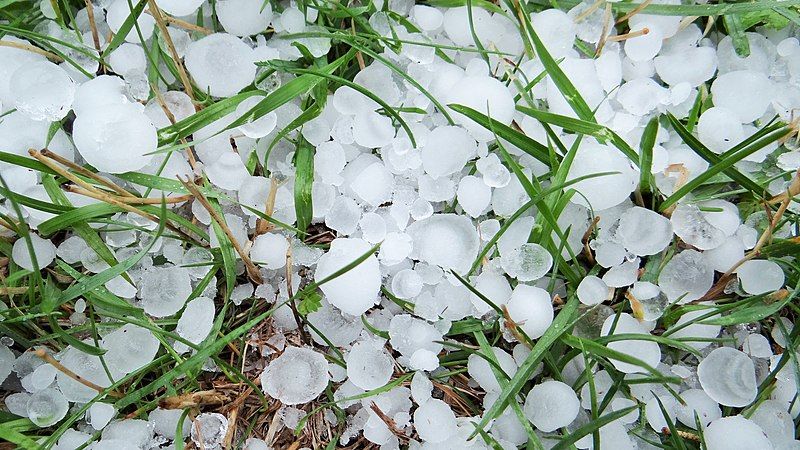
A fresh spell of hailstorms has swept through Kashmir’s fertile fruit belt, leaving a trail of destruction across orchards in Bandipora and the southern districts of Shopian, Pulwama, and Anantnag.
At a time when apple trees were entering a critical flowering phase, the sudden pelting of hail has shattered delicate blossoms, raising serious concerns about the upcoming harvest. For thousands of orchardists, this is not just a weather event—it is a direct hit to their annual income.
Bandipora: Blossoms Lost Before They Could Fruit
In Bandipora, one of the emerging apple-growing zones, farmers woke up to orchards littered with fallen petals and broken buds.
What Happened on the Ground
- Intense hailstorms struck during peak blossom stage
- Apple flowers—fragile and short-lived—were knocked off trees
- Many orchards now show patchy flowering, reducing fruit-bearing potential
Why This Matters
Apple production depends heavily on successful flowering and pollination. Once blossoms are destroyed:
- Fruit set declines sharply
- Tree productivity for the season drops
- Even surviving fruit may be fewer and of lower quality
Farmers here fear that the damage could lead to significant yield reduction, especially for early varieties.
South Kashmir: The Apple Heartland Under Stress
The worst anxiety is unfolding in South Kashmir—often called the backbone of India’s apple economy.
Widespread Damage Across Key Districts
In Shopian, Pulwama, and Anantnag:
- Orchards were hit by multiple rounds of hail
- Blossoms were shredded or stripped entirely
- Pollination cycles were disrupted
These districts collectively contribute a major share of Kashmir’s apple output, making any disruption here a region-wide economic concern.
The Science Behind the Damage: Why Hailstorms Are So Devastating
Hailstorms during the flowering stage are among the most destructive weather events for apple crops.
Critical Vulnerabilities
- Blossoms are highly delicate and short-lived
- Even brief hail impact can destroy reproductive parts
- Pollination windows are narrow—damage during this time is often irreversible
Potential Outcomes
- Reduced fruit set
- Misshapen or low-grade apples
- Complete crop loss in severely affected pockets
Officials vs Farmers: A Familiar Divide
The response from authorities has been cautious. Officials from the horticulture department describe the damage as:
“Localized and manageable.”
However, farmers present a starkly different picture.
Farmers’ Perspective
- Losses appear widespread, not isolated
- Damage is underestimated during early assessment
- Long-term impact on yield is often realized later
Why This Gap Exists
- Early-stage damage is difficult to quantify immediately
- Official surveys may not capture micro-level variations
- Administrative caution often avoids premature loss estimates
This disconnect reflects a recurring pattern in disaster assessment across agrarian economies.
Economic Shockwaves: More Than Just a Crop Loss
Kashmir’s apple industry is not a small sector—it is the economic backbone of rural life.
Key Economic Facts
- Apples contribute nearly 70% of Kashmir’s horticulture revenue
- The sector supports lakhs of families directly and indirectly
- It fuels allied industries: packaging, transport, cold storage, export
What’s at Stake
If hail damage translates into poor harvest:
- Farmers face income collapse for the year
- Loan repayments become difficult
- Market supply fluctuations may affect prices nationally
Climate Change Signals: A Pattern, Not an Exception
Farmers across Kashmir increasingly view such events not as isolated incidents but as part of a larger climatic shift.
Emerging Trends
- More frequent hailstorms
- Untimely rainfall during flowering
- Temperature fluctuations affecting bloom cycles
Local Observations
Growers report:
- Earlier flowering followed by sudden cold spells
- Increased unpredictability in weather patterns
- Greater vulnerability of crops year after year
These observations align with broader concerns in Climate Science regarding extreme weather intensification.
Ground Voices: Anxiety, Loss, and Uncertainty
Orchardists Speak
Farmers describe the scene as:
- “A carpet of fallen flowers”
- “A season lost in minutes”
Many say they had invested heavily in:
- Fertilizers
- Pruning and pest control
- Labor
All of which now hangs in uncertainty.
Can the Crop Recover? Experts Weigh In
Agricultural experts suggest that:
- Partial recovery is possible if secondary blossoms survive
- Yield losses depend on extent and timing of damage
- Weather stability in coming weeks will be crucial
However, they caution:
- Severe blossom loss usually leads to irreversible production decline
Risk Mitigation: Are Farmers Equipped?
Despite repeated weather shocks, most orchardists lack:
- Anti-hail nets (expensive and limited adoption)
- Crop insurance coverage (low penetration)
- Real-time weather alert systems
This leaves them highly exposed to climate risks.
Policy Questions: Is the System Prepared?
The latest hailstorms raise critical governance questions:
1. Compensation Mechanisms
- Are damage assessments timely and accurate?
- Do farmers receive adequate relief?
2. Insurance Coverage
- Why is crop insurance adoption still low?
- Can policies be made more accessible?
3. Climate Adaptation
- Is there enough investment in resilient farming practices?
- Are farmers being trained for climate variability?
What Needs Immediate Attention
Short-Term
- Rapid ground surveys
- Transparent damage assessment
- Interim financial relief
Long-Term
- Expansion of crop insurance
- Subsidies for anti-hail infrastructure
- Climate-resilient horticulture planning
The Human Cost Behind the Numbers
Beyond statistics, the impact is deeply personal:
- Families dependent on a single annual harvest
- Youth working in orchards for seasonal income
- Communities tied to agriculture for survival
A single hailstorm can undo months of labor and hope.
Bottom Line: A Warning for Kashmir’s Fragile Apple Economy
The hailstorms across Bandipora and South Kashmir districts have:
- Damaged blossoms at a critical stage
- Raised fears of reduced apple yield
- Exposed the vulnerability of the horticulture sector
While officials maintain that losses are manageable, farmers see this as another alarming sign of climate instability.
Final Word: Between Weather Extremes and Economic Survival
Kashmir’s apple economy stands at a crossroads—caught between:
- Increasing climate unpredictability
- Limited protective infrastructure
- Heavy dependence on a single crop
The latest hailstorm is not just a weather event—it is a stress test for resilience, policy, and preparedness.
Whether this season recovers or not, one reality is clear:
Kashmir’s farmers are now farming against the weather as much as with it.

