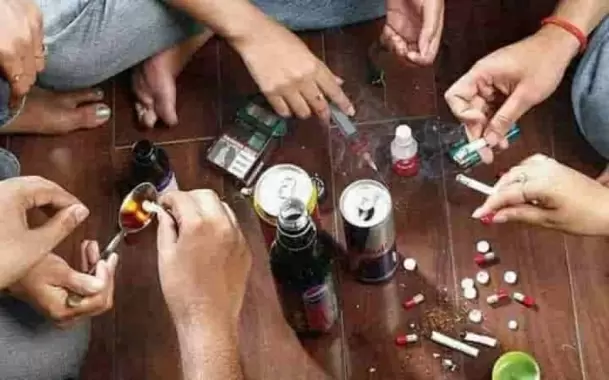
Hooked on Heroin: Kashmir’s Silent Epidemic Tightens Its Grip
By: Javid Amin | 01 April 2026
In the serene landscapes of Srinagar and across the Kashmir Valley, a crisis is unfolding—quietly, persistently, and with devastating consequences.
What was once considered a fringe issue has now evolved into a full-blown public health emergency. Heroin addiction, particularly among young people, is rising at an alarming rate, cutting across urban and rural boundaries, social classes, and educational backgrounds.
Behind closed doors, families are struggling. Rehabilitation centers are overflowing. And healthcare systems are grappling with a surge in drug-related diseases.
This is no longer just a story about drugs.
It is a story about a generation at risk.
Rising Addiction: A Generation Slipping Through the Cracks
A Disturbing Trend Among Youth
Recent assessments by institutions such as Institute of Mental Health and Neurosciences Kashmir and field observations from de-addiction centers indicate a sharp rise in heroin dependency, particularly among individuals aged 17–35.
Key Observations:
- Increasing number of first-time users transitioning quickly to dependency
- Shift from traditional substances (like cannabis) to highly addictive opioids such as heroin
- Rising cases among educated youth, including college students
Why Heroin? The Shift Toward a Deadlier Substance
Unlike other substances, heroin:
- Acts rapidly on the brain’s reward system
- Creates intense dependency in a short time
- Leads to severe withdrawal symptoms
From a neuropsychological standpoint, heroin hijacks dopamine pathways, making natural pleasures feel insignificant, thereby trapping users in a cycle of dependence.
The Psychology of Addiction: Why Youth Are Vulnerable
Understanding addiction in Kashmir requires looking beyond substances—into mental health, environment, and social pressures.
1. Escapism and Emotional Distress
Many users report turning to drugs as a way to cope with:
- Anxiety
- Depression
- Uncertainty about the future
- Social or political stress
2. Peer Influence and Normalization
Drug use often begins in social settings:
- Friends introducing substances casually
- Perception that “everyone is trying it”
- Underestimation of risks
3. Lack of Awareness
A significant number of young users:
- Do not fully understand addiction risks
- Believe they can “quit anytime”
- Are unaware of long-term health consequences
Social Impact: Families Under Siege
Breaking the Backbone of Kashmiri Society
In a region known for strong family structures, addiction is causing deep fractures.
Common Family-Level Impacts:
- Financial strain due to continuous drug spending
- Emotional trauma and loss of trust
- Domestic conflicts and instability
- Social isolation due to stigma
Parents often describe a painful transformation:
“We lost our child while they were still alive.”
The Burden of Stigma
One of the biggest barriers to recovery in Kashmir is social stigma.
Families hesitate to:
- Seek help
- Report addiction
- Admit the problem publicly
This silence allows addiction to deepen unchecked.
Health Crisis: Beyond Addiction
The Rise of Infectious Diseases
Intravenous drug use has triggered a secondary health emergency.
Healthcare professionals warn of increasing cases of:
- HIV
- Hepatitis C
Why This Is Happening:
- Sharing contaminated needles
- Lack of awareness about safe practices
- Limited harm-reduction programs
Overburdened Healthcare System
Hospitals and rehab centers in Kashmir are facing:
- Shortage of beds
- Limited trained professionals
- Increasing relapse cases
Facilities like Institute of Mental Health and Neurosciences Kashmir report growing patient loads beyond capacity.
Law Enforcement Under Pressure
The Trafficking Challenge
Agencies including Jammu and Kashmir Police are actively working to dismantle drug networks.
Challenges Faced:
- Complex cross-border trafficking routes
- Rapidly evolving distribution methods
- Local peddler networks targeting youth
Balancing Punishment and Rehabilitation
Authorities are increasingly recognizing that:
- Addiction is a health issue, not just a crime
- Punitive approaches alone are insufficient
- Rehabilitation must be prioritized
This shift reflects a broader global understanding of substance abuse.
Warning Signs: How to Identify Addiction Early
Behavioral Indicators:
- Sudden mood swings
- Withdrawal from family and friends
- Loss of interest in studies or work
Physical Signs:
- Unusual fatigue
- Weight loss
- Needle marks (in advanced cases)
Financial Red Flags:
- Frequent requests for money
- Missing valuables from home
Early detection significantly improves recovery outcomes.
Solutions: What Kashmir Must Do Now
1. Expand Rehabilitation Infrastructure
- Increase capacity of de-addiction centers
- Train more mental health professionals
- Ensure affordable treatment access
2. Launch Mass Awareness Campaigns
- Schools and colleges must educate students
- Religious and community leaders should speak openly
- Social media campaigns targeting youth
3. Strengthen Community Support Systems
- Encourage peer support groups
- Create safe spaces for recovery
- Normalize seeking help
4. Promote Harm Reduction Strategies
- Awareness about safe practices
- Medical intervention programs
- Counseling services
5. Crack Down on Drug Networks
- Strengthen intelligence operations
- Monitor trafficking routes
- Target supply chains effectively
Community Role: The Power of Collective Action
Kashmir’s greatest strength is its community cohesion.
To fight this crisis:
- Families must talk openly
- Communities must support—not judge
- Youth must be empowered with knowledge
Key Message: This Is More Than a Drug Problem
This crisis sits at the intersection of:
- Public health
- Mental health
- Social stability
- Law enforcement
Ignoring it will only deepen the damage.
Addressing it collectively can save a generation.
Call to Action: Time to Act
Fight stigma.
Support recovery.
Protect Kashmir’s youth.
Because every life reclaimed from addiction is a future restored.