Ceasefire Talks Stall as War Drums Grow Louder in the Gulf
By: Javid Amin | 07 April 2026
A fragile diplomatic window has opened—but it is already narrowing.
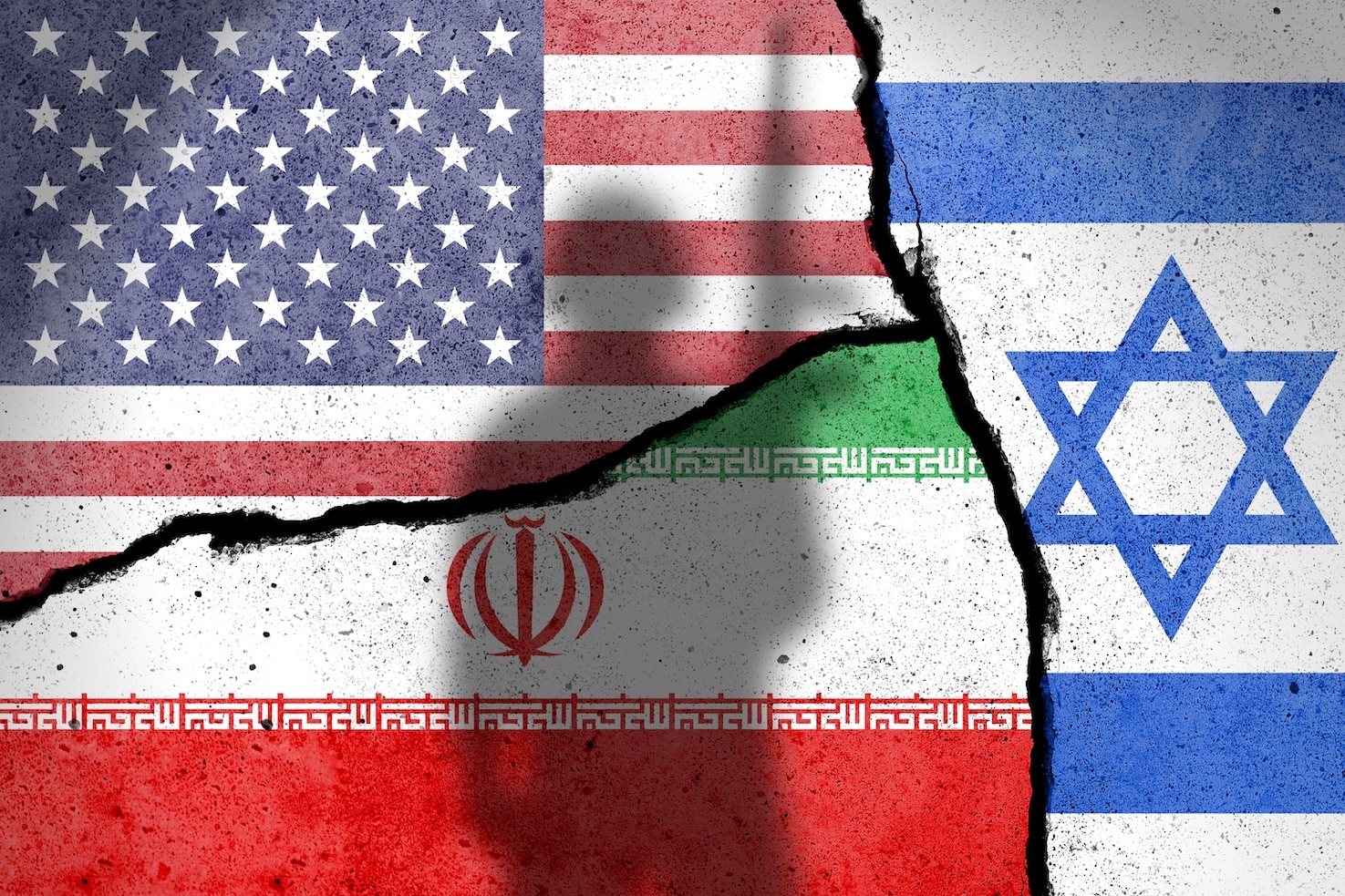
A 45-day ceasefire proposal jointly mediated by Egypt, Pakistan, and Turkey is now at the center of intense geopolitical maneuvering between the United States and Iran. The draft calls for an immediate truce and the reopening of the strategically critical Strait of Hormuz—but Iran’s rejection of key elements has complicated the path forward.
As of April 7, 2026, the situation on the ground suggests that diplomacy is struggling to keep pace with rapidly escalating military actions.
Ground Report (April 7, 2026): Who Hit What
1. U.S. and Israeli Strikes Inside Iran
Joint operations involving U.S. forces and Israel have intensified over the past 24–48 hours:
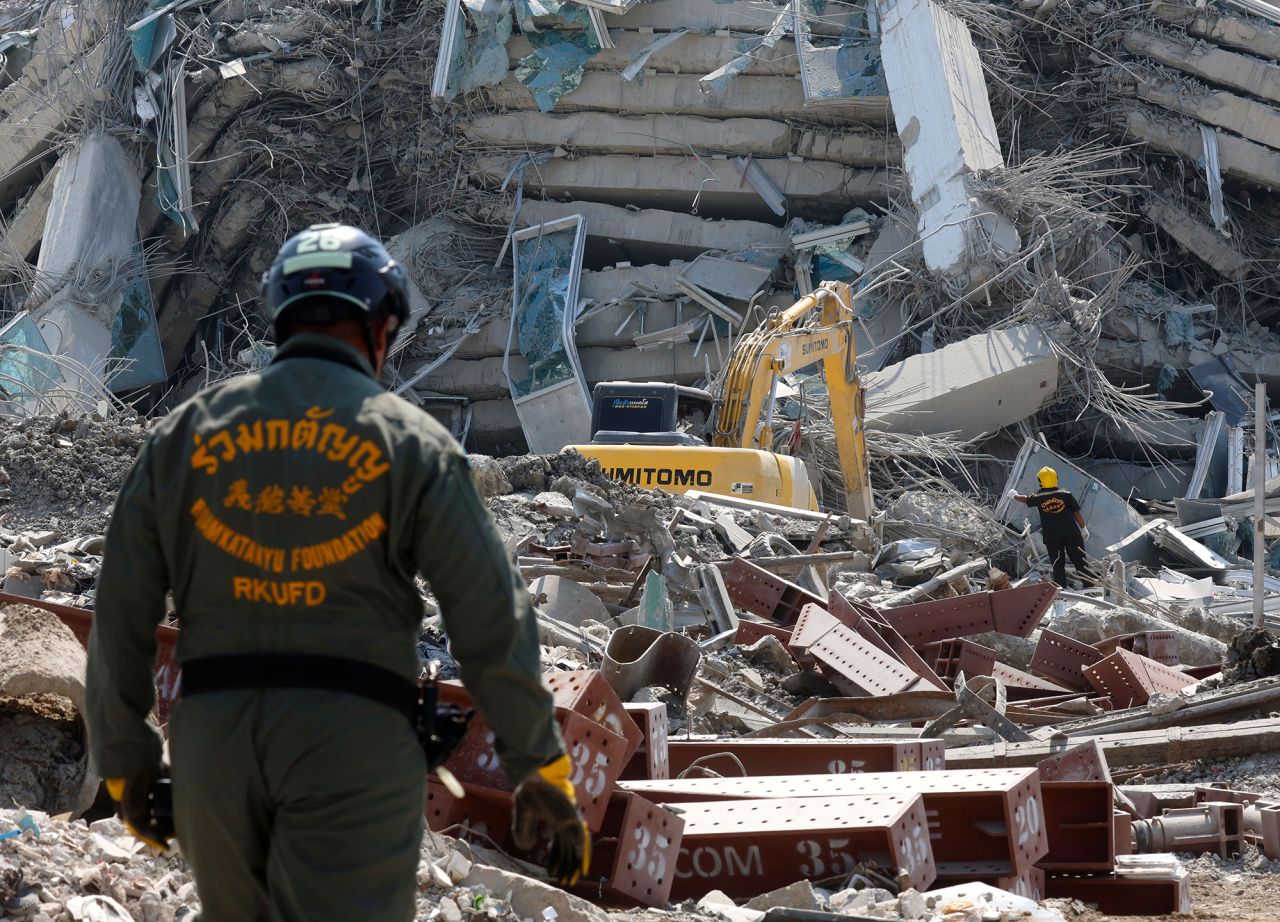
- Tehran Targeted Again: Multiple airstrikes were reported in and around the Iranian capital, including near Sharif University of Technology—a site often associated with research and technical infrastructure.
- Casualties: Local reports indicate over 25 fatalities, including military personnel and possible civilian casualties.
- Strategic Targets: Missile launch facilities, IRGC-linked compounds, and logistics hubs were reportedly hit.
These strikes appear designed to degrade Iran’s missile capabilities and limit its operational reach.
2. Iran’s Retaliation Across the Region
Iran responded swiftly with a coordinated wave of missile and drone attacks:
- Strikes on Israel: Multiple projectiles targeted urban and military areas across Israel. Air defense systems intercepted many, but some impacts were reported.
- Spillover into Lebanon: Explosions were again reported in Beirut, raising concerns about broader regional involvement.
- Gulf Tensions: Missile alerts were triggered in several Gulf states, indicating an expanded threat radius.
Iran’s response demonstrates its intent to project power beyond its borders and impose costs on U.S. allies.
3. Air Combat Escalation: Jets Downed
One of the most serious escalations remains the reported downing of U.S. aircraft:
- At least two U.S. fighter jets, including an F-15 Eagle, were shot down.
- Pilot Status: One pilot is reportedly captured by Iranian forces, while another remains missing.
- Search Operations: U.S. forces continue search-and-rescue missions under hostile conditions.
This marks a critical escalation point—direct confrontation with captured personnel significantly raises the stakes for retaliation.
The Ceasefire Proposal: What’s on the Table
The draft plan brokered by Egypt, Pakistan, and Turkey includes:
- 45-Day Ceasefire
- Immediate Reopening of Hormuz
- Backchannel Talks for Long-Term Settlement
The goal is tactical: freeze hostilities long enough to prevent a regional war and stabilize global markets.
Iran’s Counteroffer: Strategic Resistance
Iran has rejected Pakistan’s 15-point proposal, signaling dissatisfaction with its terms.
Instead, Tehran has floated a 10-point counterproposal, which includes:
- A permanent halt to U.S. and allied strikes
- Full lifting of U.S. sanctions
- A controversial $2 million transit fee per vessel through Hormuz
From Iran’s perspective, these demands reflect sovereign rights and economic compensation. However, for global stakeholders, especially energy-importing nations, the proposed fee could disrupt trade norms and increase shipping costs dramatically.
U.S. Response: Cautious Optimism Under Pressure
Donald Trump has indicated that an agreement is still possible, but his administration is maintaining pressure:
- The reopening of Hormuz remains a non-negotiable demand
- The ceasefire is viewed as a temporary stabilization mechanism, not a final settlement
- Military readiness remains high in case diplomacy fails
Washington’s position reflects a dual-track strategy: negotiate while demonstrating overwhelming force.
Regional Dynamics: A Conflict Expanding in Real Time
The conflict is no longer confined to bilateral tensions.
Israel Front
Israel remains actively engaged, both defensively and offensively. Its participation increases the likelihood of sustained regional warfare.
Lebanon Factor
Repeated explosions in Beirut suggest that Lebanese territory may become a secondary theater—whether directly or via proxy actors.
Gulf States on Edge
Countries across the Gulf are on high alert, with missile defense systems activated and maritime routes under scrutiny.
Major Escalations So Far (April 5–7, 2026)
- U.S.–Israel joint strikes inside Iran
- Iranian missile retaliation across multiple countries
- Downing of U.S. fighter jets
- Capture of at least one U.S. pilot
- Continued closure/threat to Strait of Hormuz
- Breakdown of initial ceasefire consensus
Each of these events individually would be significant. Together, they represent a rapidly escalating conflict environment.
Global Impact: Oil, Trade, and Economic Shockwaves
The Strait of Hormuz remains the critical pressure point.
- Roughly 20% of global oil supply flows through this corridor
- Even partial disruption is already affecting market sentiment
- Shipping insurance costs are rising sharply
If the Strait remains restricted:
- Oil prices could surge dramatically
- Inflationary pressures may intensify globally
- Emerging economies could face severe economic stress
What Happens Next? Future Course Scenarios
1. Controlled De-escalation (Low Probability, High Impact)
If mediators succeed:
- Temporary ceasefire implemented
- Hormuz partially reopened
- Negotiations continue under international supervision
This would stabilize markets but leave underlying tensions unresolved.
2. Prolonged Standoff (Moderate Probability)
- Continued limited strikes
- Hormuz intermittently restricted
- Diplomatic talks ongoing but inconclusive
This scenario leads to sustained instability without full-scale war.
3. Full-Scale Regional Conflict (High Risk)
- Escalation triggered by captured U.S. personnel or mass casualties
- Direct involvement of multiple regional actors
- Potential disruption of global energy systems
This is the “disaster path” analysts fear most.
Reality Check: Fog of War and Information Gaps
While multiple reports confirm escalating hostilities, some claims—especially regarding casualty numbers and strike effectiveness—remain difficult to independently verify in real time.
- Military statements from all sides may contain strategic messaging
- Ground verification is limited due to restricted access
- Independent confirmation is still evolving
Caution is essential when interpreting fast-moving developments.
Bottom Line: Diplomacy vs Detonation
The April 7, 2026 ground reality presents a stark picture:
- Active military exchanges continue across multiple fronts
- Diplomatic efforts exist but are fragile and fragmented
- Strategic positions remain far apart
The ceasefire proposal offers a potential off-ramp—but only if both sides are willing to compromise.
At this moment, the trajectory still leans toward escalation.
The next 24–72 hours will likely determine whether this crisis stabilizes—or expands into a defining conflict of the decade.