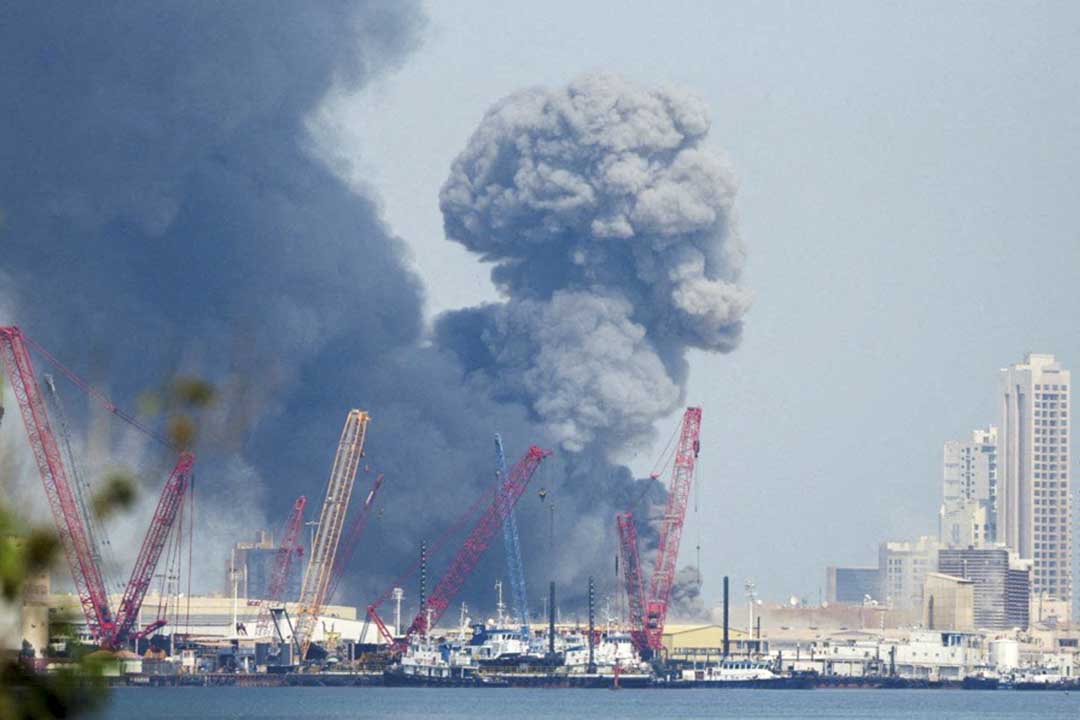
Ground Report Update: US–Iran War Enters a New Phase of High-Intensity Conflict and Information Warfare
By: Javid Amin | 03 April 2026
A Critical Inflection Point in the War
The US–Iran conflict has entered one of its most volatile and strategically complex phases. Over the past 24 hours, reports of multiple US aircraft losses—if confirmed—mark the most significant single-day air combat setback for the United States since the Operation Linebacker I during the Vietnam War.
However, the battlefield today is not defined solely by kinetic warfare. It is equally shaped by information warfare, psychological operations, and narrative dominance, making verification difficult and perception equally powerful.
1. Air War Escalation: Historic Loss Claims and Strategic Implications
What Is Confirmed vs What Is Claimed
Emerging Battlefield Picture
- Confirmed (multiple reports): At least three US aircraft downed over/near Iranian airspace
- Unverified: A possible fourth aircraft hit
- Iranian Claims: Additional fighter jets and a helicopter (including a Black Hawk) destroyed
- Pilot Capture: Iran circulating footage of an alleged captured US pilot
The absence of official US confirmation reflects operational secrecy but also creates a vacuum filled by competing narratives.
Why These Losses Matter
If even partially accurate, these losses indicate:
1. Contested Air Superiority
The US, traditionally dominant in air warfare, may now be facing:
- Advanced air defense systems
- Electronic warfare challenges
- Increased operational risk in Iranian and nearby airspace
2. Tactical Shift
Air missions over Iran and Iraq are becoming:
- Higher risk
- More resource-intensive
- Potentially less effective without suppression of defenses
Historical Echo: Vietnam Comparison
The comparison to Operation Linebacker I is significant:
- That operation saw heavy US aircraft losses in a single day
- It marked one of the most intense air combat phases in modern history
Implication:
Such concentrated losses are rare—and signal a serious escalation threshold.
2. Expansion into Iraq: A Dangerous Geographic Shift
Battlefield No Longer Contained
The reported downing of a US Black Hawk helicopter over Iraqi airspace signals a critical escalation:
- The conflict is no longer confined to Iran
- Iraq is emerging as a secondary battlefield
- US assets across the region are now exposed
Operational Consequences
Airspace Risk
- Civil aviation routes face disruption
- Insurance and flight rerouting costs increasing
- Regional aviation safety deteriorating
Proxy Activation
Iran-backed militias in Iraq may now:
- Target US aircraft and bases
- Increase frequency of asymmetric attacks
- Expand conflict unpredictability
3. Psychological Warfare: Narrative as a Weapon
“Shoot Them If You See Them” — A Strategic Signal
Iranian media’s broadcast urging militias and civilians to target US aircraft marks a shift toward mass psychological mobilization.
Purpose
- Encourage decentralized attacks
- Create fear and uncertainty
- Blur lines between combatant and non-combatant zones
Information Dominance Strategy
Iran’s messaging campaign includes:
- Claims of downed stealth aircraft
- Footage of captured personnel
- Assertions of naval victories
These serve three functions:
- Domestic morale building
- Deterrence signaling to adversaries
- Global perception shaping
4. US–Israel Strategy: Systematic Infrastructure Degradation
Targeting Economic and Strategic Assets
US–Israel operations continue to focus on:
- Bridges and transport corridors
- Steel and industrial plants
- Missile and nuclear-linked infrastructure
Objective
- Cripple Iran’s logistical capacity
- Disrupt economic stability
- Limit long-term military capability
Escalation Risk: Nuclear Proximity
Strikes near nuclear-related facilities raise:
- Risk of unintended escalation
- International concern over nuclear safety
- Pressure for global diplomatic intervention
5. Civilian Ground Reality: War Beyond the Battlefield
Urban Breakdown in Iran
Cities like Tehran and Karaj are facing:
- Power outages and blackouts
- Transport disruption after infrastructure strikes
- Supply shortages
- Growing insecurity
Iraq: Emerging Civilian Risk Zone
- Airspace instability affecting civilians
- Risk of collateral damage from militia activity
- Growing uncertainty for residents and travelers
Humanitarian Pressure Points
- Hospitals under strain
- Displacement risks increasing
- Essential services disrupted
The civilian cost is accelerating alongside military escalation.
6. Regional Spillover: Multi-Front War Dynamics
Proxy Forces Expanding the Battlefield
- Hezbollah increasing operational readiness
- Houthis threatening Red Sea shipping
- Iraqi militias targeting US presence
Strategic Geography at Risk
- Strait of Hormuz
- Red Sea shipping lanes
- Gulf energy infrastructure
These are not just regional assets—they are global economic lifelines.
7. Updated War Timeline (March–April 2026)
Acceleration Pattern
Week 1–2:
- Initial strikes and retaliations
- Civilian casualties begin
Week 3–4:
- Infrastructure destruction intensifies
- Gulf tanker attacks raise global concern
Week 5:
- Claims of US warship destruction
- Major aircraft loss narratives emerge
- Nuclear-related sites targeted
Week 6 (Current Phase):
- Aircraft losses spike (confirmed + claimed)
- Conflict expands into Iraqi airspace
- Psychological warfare intensifies
- Proxy forces mobilizing
8. Risk Assessment: What to Watch Next
Short-Term (Next 1–2 Weeks)
- Continued air combat losses (verified or claimed)
- Intensified propaganda cycles
- Increased militia activity in Iraq
Medium-Term (April–May 2026)
- Multi-front escalation across Iraq, Lebanon, and Gulf
- Greater disruption to oil and shipping
- Rising global economic pressure
Long-Term Scenario
Without diplomatic intervention:
- Entrenched regional war
- Persistent energy market instability
- Strategic realignment of global powers
9. Strategic Interpretation: A War Redefined
This conflict is no longer defined by traditional metrics alone.
Three Defining Features
- Hybrid Warfare:
Conventional strikes + proxy operations + information warfare - Distributed Battlefield:
Iran, Iraq, Gulf, and maritime zones all active - Narrative Combat:
Competing claims shaping global perception as much as battlefield outcomes
Conclusion: A War Entering Its Most Unpredictable Phase
The US–Iran war is now at a critical juncture. Reports of historic aircraft losses, expansion into Iraqi territory, and escalating psychological warfare indicate a conflict that is no longer contained or easily controllable.
While the exact scale of military losses remains contested, the broader trajectory is clear:
- Escalation is accelerating
- The battlefield is expanding
- Civilian and global economic risks are rising
Absent credible diplomatic intervention, this conflict risks evolving into a prolonged, multi-front regional war with consequences that extend far beyond West Asia.
The coming days will be decisive—not just for the region, but for global stability.

