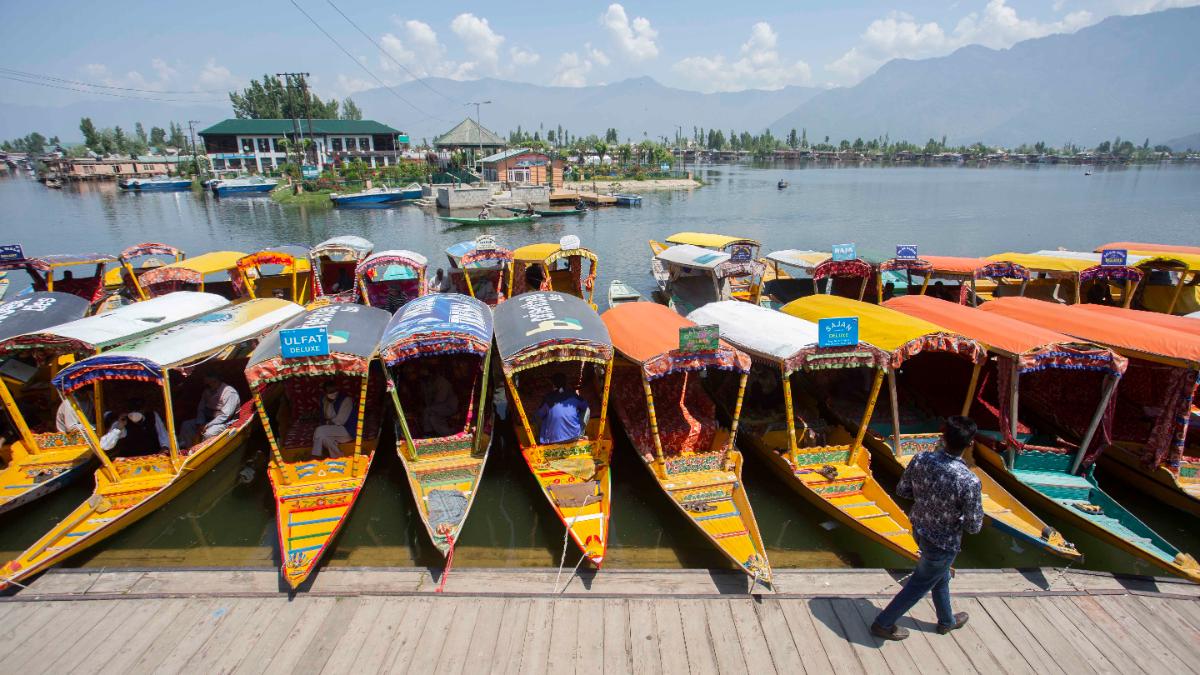
Despite a challenging year marked by security scares, uneven seasonal patterns, and shaken traveler confidence, Kashmir’s tourism industry is witnessing a remarkable autumn resurgence. Stakeholders from Pune to Srinagar are collaborating to build trust, while winter snowfall remains the single most crucial factor for the Valley’s revival.
By: Javid Amin | 02 November 2025
A Valley Between Hope and Hesitation
Kashmir stands today at a delicate intersection of beauty and uncertainty. Its mountains remain majestic, its Chinar leaves continue to blaze every autumn, and its winters still promise some of the finest snow experiences in Asia. But the tourism industry—arguably the backbone of the region’s economy—has endured a difficult year marked by unpredictable shocks, ranging from the Pahalgam terror attack in April to the Delhi car blast in November, and a series of micro-level events that have chipped away at traveler confidence nationwide.
Yet, in a twist that many in the Valley did not expect, autumn 2025 has emerged as a spectacular comeback season, with Kashmir’s iconic Chinar belt trending on global social media feeds, drawing travelers from across India, the Middle East, Southeast Asia, and Europe. Simultaneously, a major Pune–Kashmir stakeholders’ meeting in Srinagar has set in motion fresh strategies to rebuild trust—particularly among outbound travelers from Maharashtra, one of India’s largest travel markets.
And amid all of this, an old truth reasserts itself in the words of Chief Minister Omar Abdullah:
“The key to increasing tourist footfall is snowfall.”
He is right—and winter 2025–26 may determine whether Kashmir completes its recovery, or stumbles again.
This in-depth feature examines the ground reality, the optimism, the data, the challenges, and the human stories—combining on-the-ground insights, tourism reports, stakeholder voices, and environmental observations.
Also Read | Honeymoon in Kashmir – Anniversary in Paradise – Family Get-together in Kashmir – Friends Outing in Kashmir
Autumn in Kashmir: A Season Becomes a Global Digital Sensation
The Instagram Effect: How Chinar Leaves Became Viral Content
What was once a poet’s season is now a reel-maker’s paradise. In 2025, Kashmir’s autumn has transformed into one of the most photographed, filmed, and shared seasonal events in India.
Why Autumn Went Viral: Key Drivers
-
Visual magnetism: The red-gold Chinar canopy of Naseem Bagh, the saffron fields of Pampore, and willow-lined rivers look cinematic on camera.
-
Influencers & vloggers: More than 2,000 travel creators visited Kashmir between October–November 2025.
-
Kashmiri youth creators: Local storytellers blended poetry, folk music, and modern editing to reshape the narrative.
-
Tourism amplification: J&K Tourism’s autumn campaigns used hashtags like #AutumnInParadise and #HarudKashmir.
Hoteliers across Srinagar reported that 10–15% of their autumn bookings were driven by reels, especially from couples, digital creators, and repeat travelers.
The saffron bloom, once a niche attraction, trended globally with drone shots, slow-mo reels, and timelapse edits. Houseboat owners on Dal Lake noted a spike in candlelight dinner requests after reels showcasing autumn-on-water went viral.
Tourists Return: A Strong Autumn Footfall After a Difficult Year
From October to mid-November 2025, Kashmir’s tourism graph saw one of its highest autumn surges in five years, with domestic travelers making up nearly 82% of the influx.
Autumn Highlights Reported by Local Tourism Bodies
-
Srinagar: Gardens like Shalimar, Nishat, Badamwari saw heavy footfall.
-
Gulmarg: Photographers poured in to capture “gold-and-green” shoulder-season landscapes.
-
Pahalgam: Lidder Valley attracted hikers and families escaping city stress.
-
Houseboats: Bookings rose sharply due to influencer-driven autumn houseboat content.
Despite the warm autumn success, industry voices repeatedly emphasized:
“Autumn saved us, but winter will decide our fate.”
Also Read | Kashmir: Where Every Trip Feels Like a Story — Ultimate Travel Guide for Romance, Adventure & Family
The Setbacks: Pahalgam Attack, Delhi Blast & the Tourism Ripple Effect
1. The April Pahalgam Attack
The incident created immediate concern among travelers, especially Maharashtra and Gujarat families—two of Kashmir’s largest tourist groups.
Advance bookings for May–June dropped by 18–21%, according to stakeholder reports.
2. Nationwide Sentiments Post the November Delhi Blast
The Delhi car blast, although not connected to Kashmir, had a spillover psychological effect, with travelers associating any national security scare with risk in the region.
Cancellations were reported primarily from:
-
Delhi
-
Punjab
-
Himachal Pradesh
3. The “Profiling Fear” Effect
Several reports emerged of Kashmiri students or tenants facing questioning or suspicion in metros after pan-India security alerts. Though isolated, such incidents created:
-
A sentiment problem
-
A trust deficit for travelers unfamiliar with the Valley
-
Confusion about Kashmir’s actual safety levels
This is precisely why tourism leaders emphasize communication, transparency, and ground fact-checking.
The Pune–Kashmir Stakeholders Meeting: A Turning Point for 2025–26
In November 2025, tourism stakeholders from Pune—one of India’s most travel-savvy urban markets—visited Srinagar for a collaborative recovery dialogue.
Core outcomes from the meeting:
-
Strengthened safety messaging for Maharashtra travelers
-
Joint winter promotion campaigns targeting families and senior travelers
-
Highlighting Gulmarg skiing packages as a safe, professional winter sport
-
Encouraging cultural exchanges to rebuild trust
-
Addressing misinformation by offering verified ground status updates
The meeting underscored that tourism recovery is a shared responsibility, requiring proactive communication between regions.
Also Read | Jammu, Kashmir & Ladakh Travel Guide 2026 | Honeymoon, Adventure & Budget Tours
Chief Minister Omar Abdullah: Snowfall Is the Key to Recovery
In a candid press briefing in Srinagar, the Chief Minister put the situation bluntly:
“We had a totally dry November. It is hoped that God will bless us and we will have good snowfall in December.”
He added:
“Promotion helps, marketing helps, but nothing brings tourists to Kashmir like snow.”
Why Snowfall Matters
-
Gulmarg’s ski season depends on early and sufficient snow.
-
Gondola Phase 2 (Apharwat) requires snow for peak-season slopes.
-
Pahalgam & Sonamarg winter experiences rely heavily on snowfall.
-
Winter wildlife, treks, and safaris need snow landscapes.
-
Major hotel groups depend on high ADR winter months.
Dry Novembers (which are becoming more common due to climate change) create:
-
Booking hesitation
-
Delayed family travel planning
-
Low pre-winter revenue
This year’s December snowfall will be crucial not just for winter tourism but for confidence building across all seasons of 2026.
The Climate Dimension: How Climate Change Is Reshaping Kashmir Tourism
Environmental experts warn that:
-
Snowfall patterns are shifting
-
Winters are arriving later
-
Snowline levels are rising
-
Gulmarg receives shorter peak snow windows
-
Pahalgam’s early snows are less reliable
Yet, the silver lining is that January–February snows remain consistent, which preserves the core of the skiing season.
Climate scientists recommend:
-
Better winter preparation
-
Predictive snowfall advisories
-
Sustainable tourism infrastructure
Also Read | Kashmir Tour Packages 2025–26 – Book Your Safe & Beautiful Holiday
Ground Realities: What Tourism Operators Are Seeing
Gulmarg
-
Ski schools report a dip in early inquiries
-
Equipment rental shops expect a late-season rush
-
Hotels are optimistic but cautious
-
Gondola operators preparing for high January demand
Pahalgam
-
Witnessed a sharper impact due to the April attack
-
Post-autumn resurgence is encouraging
-
Families are returning for winter walks, riverside stays
Srinagar
-
Houseboats benefitted most from autumn’s social media boom
-
Autumn honeymooners filled lakeside properties
-
Winter still needs stronger push
Operators like JKL Travels and Kashmir Travels confirm that traveler interest is strong, but clarity on snowfall will determine final conversions.
Their ground teams report:
-
Rising queries for Gulmarg skiing
-
More awareness of Gondola Phase 2 weather constraints
-
Higher interest in winter honeymoons and houseboat stays
-
A strong demand for safe, guided itineraries
Also Read | Kashmir Awaits – Unveil Paradise with Exclusive Travel Packages & Unbeatable Discounts!
Travel Advisory Explainer for Winter 2025–26
Is Kashmir Safe for Travel Right Now?
Yes—Kashmir remains one of India’s safest regulated tourist zones, with robust security around major destinations like Srinagar, Gulmarg, Pahalgam, and Sonamarg.
Who Should You Book With?
Prefer verified local operators with on-ground teams—such as
JKL Travels and Kashmir Travels—to receive real-time weather, road status, and safety updates.
Winter Road Status Tips
-
Srinagar–Gulmarg: Usually open, but chains required after heavy snow
-
Srinagar–Pahalgam: 97% open in winter
-
Sonamarg: Closed beyond mid-December, but early-winter visits possible
Essential Winter Packing
-
Snow boots
-
Feather jackets
-
Layered thermals
-
Gloves, beanies
-
Moisturizers & SPF
-
Power banks
-
Woolen socks
Skiing & Gondola Guide
-
Best time for Phase 2: Mid-Jan to late Feb
-
Beginner ski lessons: Available in Gulmarg Bowl (controlled slopes)
-
Ski rentals: Budget to premium gear available
-
Heli-ski safety: Follow operator instructions strictly
Who Should Avoid Driving in Snow?
Visitors unfamiliar with snow roads should avoid self-driving.
Local drivers offer safe snow-navigation expertise.
Kashmir Tourism Recovery Insights Report (Expert Findings)
1. Autumn Has Become a Major Tourism Pillar
Previously a shoulder season, autumn now rivals spring thanks to social media.
2. Winter Will Decide 2026’s Tourism Climate
December snowfall = high winter revenue
Weak snowfall = fragile winter economy
3. Regional Partnerships Matter
The Pune–Kashmir meeting shows that state-to-state tourism alliances can counter misinformation faster than press releases.
4. Travelers Want Transparency
The modern tourist wants:
-
live road updates
-
safety bulletins
-
honest weather forecasts
-
guided itineraries
5. Local Operators Are Key to Recovery
Operators like JKL Travels and Kashmir Travels maintain local teams and verified driver networks—something big aggregator apps cannot match.
6. Tourism Needs Environmental Mindfulness
Sustainable tourism practices will determine Kashmir’s long-term viability:
-
waste management
-
low-impact winter tourism
-
eco-friendly treks
-
controlled skiing zones
The Human Story: How Kashmiris Are Rebuilding Tourism With Warmth
Behind every hotel, checkpoint, houseboat, and ski shop is a human effort to rebuild trust.
-
Houseboat owners decorate decks with autumn lights
-
Shikara rowers craft storytelling experiences
-
Hoteliers train staff in guest support and updates
-
Artisans revive winter craft markets
-
Young Kashmiri influencers reshape the digital narrative
Tourism is not just an industry in Kashmir—
it is a shared human mission.
Bottom-Line: The Valley Waits for Snow, But Welcomes With Heart
Autumn 2025 restored colour to Kashmir’s landscape and hope to its people.
The Pune–Kashmir collaboration sent an important message:
India still believes in Kashmir’s hospitality.
Now, all eyes are on the winter sky.
Because in the words of the Chief Minister:
“When it snows, our winter tourism starts—and with it, our economic heartbeat.”
And snowfall or no snowfall, Kashmir stands ready—with its warmth, its resilience, and its promise of beauty—to welcome the world.


