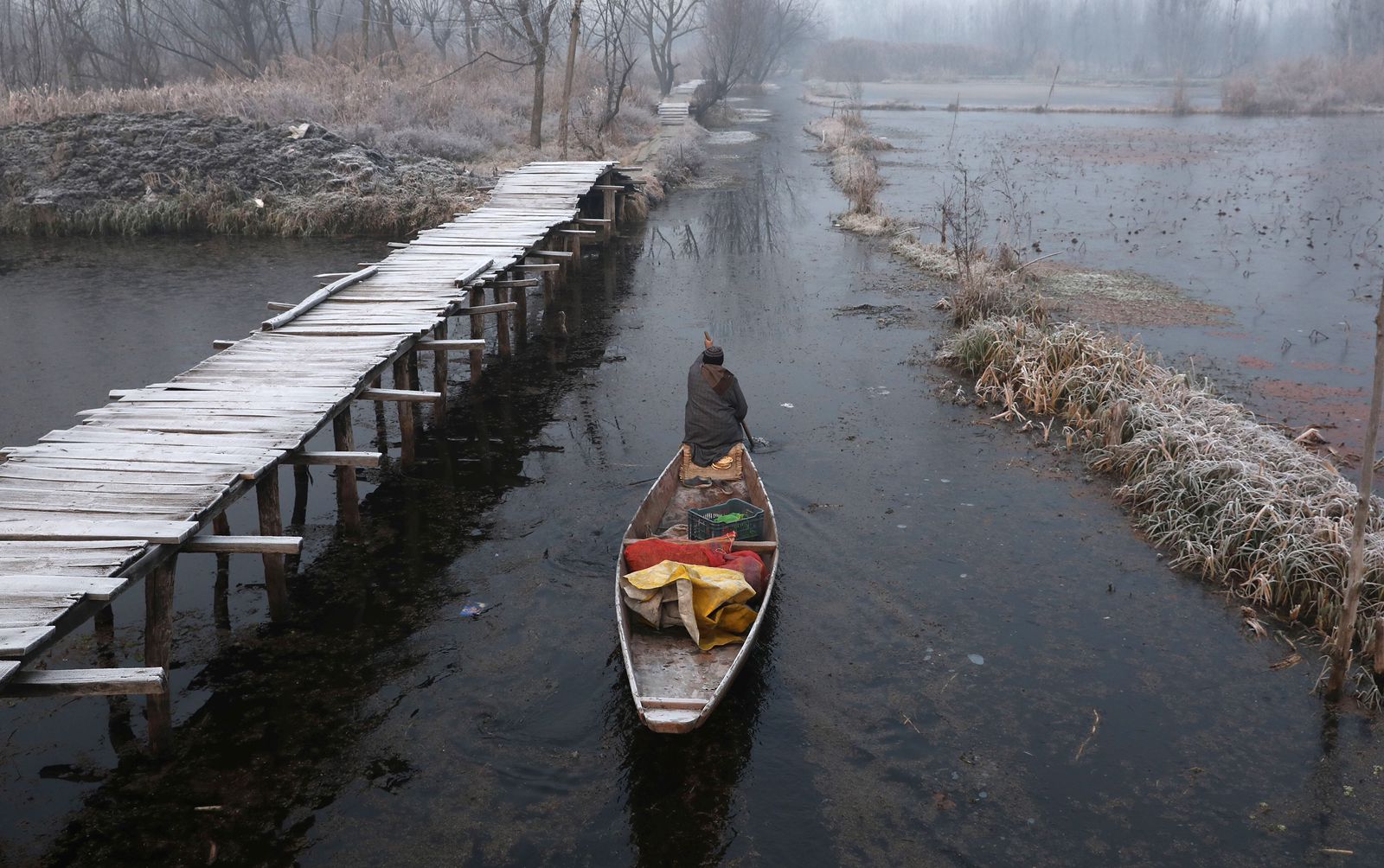
Valley in a Freeze: Dry Spell Deepens Health Woes
By: Javid Amin | 04 November 2025
Kashmir’s Silent Winter Crisis
The beautiful valley of Kashmir — known for its breathtaking winters, snow-clad mountains and steaming kahwa by the hearth — is facing a quieter, invisible crisis this season. A persistent dry spell, coupled with plummeting night temperatures, has triggered a worrying rise in cold-related illnesses across the Valley.
Hospitals report that over 10 per cent of daily outpatient (OPD) visits are now for flu-like symptoms — a substantial burden on healthcare, just as the region braces for the harshest phase of winter, the fabled Chillai-Kalan. This surge, while rooted in natural seasonal change, is being magnified by environmental, social and infrastructural factors — making this more than just a health story. It’s a community challenge that touches livelihoods, economy, and daily life in Kashmir.
What’s Happening: Dry Spell, Cold Nights and Rising Visits to Hospitals
Dry Spell Deepens Across the Valley
Since October, the Kashmir Valley has experienced little to no major precipitation, leaving the air unusually dry. According to recent ground reports, this dry spell — rather than the typical snow-laden winter — continues to grip the region.
This lack of snow or rain is more than a matter of disrupted aesthetics. Snowfall contributes to the humidity, replenishes groundwater, and affects the overall climate balance. Without it, the winter air becomes bone-dry — an environment in which respiratory ailments find a fertile ground. Environmental analysts warn that such patterns may reflect broader climate shifts, which could have long-term repercussions for ecology, water security, agriculture, and public health in Kashmir.
Temperatures Plunge — Nights Are Getting Sub-zero
Compounding the dryness is a sharp drop in night temperatures. In some areas of the Valley, including major population centers, nights are dipping well below freezing.
Doctors and local health centres confirm that over the past week — coinciding with one of the coldest November–December stretches in recent years — they have seen a spike in patients complaining of cough, fever, throat irritation, chest congestion, and other respiratory symptoms.
In many hospitals, one in ten people visiting for general illnesses are now reporting symptoms common to cold and flu.
Why the Spike: Understanding the Causes Behind the Surge
What exactly is driving this sudden rise? Several interlinked factors — environmental, behavioural, and infrastructural — are converging:
• Dry Air Weakens Natural Defences
Cold air holds far less moisture than warm air. When humidity drops drastically, as is happening now across Kashmir, the mucus lining in the nose, throat and airways becomes thinner and drier. This mucus — normally a frontline defence against viruses and bacteria — loses effectiveness. Experts note that viruses survive longer and spread more easily in dry, cold air.
In simpler terms: the air is too dry for comfort — and too good for microbes. The result: more infections. According to respiratory medicine specialists, cold and dry air irritates the respiratory passages, lowers local immunity, and makes even healthy people susceptible to coughs, colds, and flu.
• Cold Air Directly Stresses the Lungs
When people breathe in cold air — often with minimal warming or humidification — the airways can constrict, leading to bronchospasms (tightening of bronchial tubes), which triggers symptoms like wheezing, coughing and shortness of breath. For individuals with pre-existing conditions such as asthma or chronic lung disease (e.g., COPD), this can be especially dangerous.
• Indoor Crowding + Poor Ventilation — A Breeding Ground for Viruses
As temperatures drop, families tend to remain indoors, windows shut against the cold, and living spaces often lack adequate ventilation. This close confinement helps viruses spread more easily, particularly in households relying on traditional heating devices like wood-burning stoves, coal bukharis or kangris. Smoke and particulate matter from these sources further irritate airways and can exacerbate infections. Ground reports from Kashmir cite increased use of such heating methods as households brace for cold nights.
Moreover, many of these homes — especially older or rural ones — are not built to prevent smoke buildup. In such conditions, viral infection combined with smoke irritation can transform a simple cold into a serious respiratory illness.
• Pollution & Air Quality: A Winter Double Whammy
The risk is further heightened by poor air quality. As colder temperatures set in, a phenomenon known as temperature inversion becomes common: cold air stays close to the ground under a layer of warmer air, trapping smoke, emissions, and dust near the surface. This creates a smog-like effect that worsens as household heating, traffic and emissions increase. Residents in urban pockets of Kashmir are already reporting smoky, choking air, thick with particulate pollution.
This polluted, cold air is especially harmful for children, the elderly, and people with chronic health conditions. Doctors have already noted spikes in asthma exacerbations, chronic cough, and hypoxia (low blood oxygen) incidents, particularly among vulnerable groups.
• Seasonal Transition — And the Looming Chill of Chillai-Kalan
Kashmir is soon to enter Chillai-Kalan — the 40-day period traditionally considered the harshest winter stretch, when temperatures plunge and snowfall often peaks. Historically, this period corresponds with a spike in respiratory and cold-related illnesses.
Given the current dry spell (no snowfall), coupled with dropping temperatures and rising pollution, medical experts fear this year’s Chillai-Kalan may bring more health risks — not fewer. One doctor in Srinagar warned that if the conditions persist, the cold-related respiratory burden on hospitals could grow significantly in upcoming weeks.
What Hospitals & Health Workers Are Seeing — Ground Reports from Kashmir
Doctors and health workers across Kashmir say they are witnessing a steady and worrying rise in respiratory illnesses. Their observations paint a detailed, ground-level picture:
-
In many district hospitals, over 10 per cent of daily OPD patients are presenting with cold, cough, fever, sore throat, sinus problems or breathing difficulties.
-
According to one doctor, while most cases are mild, there is growing concern for infants, elderly people, pregnant women, and those with chronic conditions (heart disease, COPD, diabetes) — who are more likely to suffer complications.
-
Another hospital physician pointed out a worrying trend: patients relying on traditional wood- or coal-based heating devices often develop respiratory distress, especially when smoke accumulates in poorly ventilated rooms.
-
Medicinal care is rising: there are more consultations, more prescriptions (sometimes for antibiotics), and increased demand for respiratory support — but also concern about overuse of antibiotics when simple viral infections could be managed with rest and symptomatic care.
In addition, hypothermia cases — especially in higher-altitude regions and rural villages — have surfaced. With insufficient heating and freezing night temperatures, people remain vulnerable to cold-related complications beyond just coughs and colds.
Why Experts Are Worried: Broader Health & Social Impact
The surge in cold-related illnesses carries consequences beyond immediate sickness. Public health experts and social analysts point to a multi-dimensional impact:
• Pressure on Healthcare Systems
A sustained increase of 10 – 15 per cent in OPD traffic for respiratory illnesses can strain local health infrastructure — especially in smaller district hospitals with limited capacity. This may leave less room for other medical needs, delaying care for non-winter ailments.
• Vulnerable Populations at Higher Risk
Children, senior citizens, pregnant women, and individuals with chronic respiratory or cardiovascular conditions are particularly vulnerable. For these groups, a mild cold could escalate into pneumonia, asthma exacerbation, or even hospitalization.
Similarly, patients with asthma or chronic lung disease might see flare-ups triggered not only by cold air but also by indoor smoke and polluted air — a double burden.
• Economic Strain on Families
For households already coping with heating costs, food, and winter preparations, the extra burden of medical visits, medicines, and possibly hospital stays can be financially tough. In a region where many livelihoods depend on seasonal work — tourism, horticulture, crafts — a sudden illness can disrupt incomes in a fragile winter economy.
• Agriculture, Tourism & Long-Term Welfare at Risk
The sustained dry spell impacts more than just human health. Some experts warn that insufficient snowfall and drying soils could affect next season’s water supply, agriculture yield, horticulture cycles, and even traditional crops like saffron.
On the tourism front, the absence of snow — traditionally a major attraction — has already dampened winter tourism. Fewer visitors mean reduced income for local businesses, houseboats, guides, and artisans.
In effect: what began as a weather phenomenon is evolving into a full-blown social challenge — affecting health, economy, and community resilience.
What Locals and Health Experts Recommend: Safety, Prevention & Awareness
In response to the surge, doctors and public health workers in Kashmir have begun issuing advisories. Key recommendations include:
-
Proper ventilation at home: Even when it’s cold, it’s important to let fresh air in — especially when using indoor heating devices (wood stoves, bukharis, kangris). This helps reduce indoor smoke, dust, and viral load.
-
Moderate use of heating devices: Avoid overuse of fire-based heating; ensure chimneys or exhausts are functional; do not seal rooms tightly without ventilation.
-
Maintain warmth without compromising air quality: Use warm clothing, traditional woollens and blankets; limit exposure to cold — especially at night or early morning. Local customs such as wearing a pheran, using a kangri with care, and drinking warm kahwa or soups can help.
-
Hydration, nutrition, and immunity care: Drinking warm fluids, eating nutritious diet, exposure to sunlight when possible (hygiene and vitamin D), rest — all help keep immunity up.
-
Vulnerable groups — extra caution: Elderly, young children, pregnant women, people with chronic conditions should avoid crowded indoor spaces, minimize exposure to smoke, stay warm, and seek timely medical attention for any persistent symptoms.
-
Public awareness and community action: Reduce burning of crop stubble and leaves, promote clean heating methods, ensure robust public health messaging, and encourage early vaccination (e.g., flu shots) if available.
Some experts also point to more structural, long-term solutions: improving heating infrastructure to reduce dependence on smoke-heavy devices, promoting clean energy heating, designing better-ventilated homes, and strengthening healthcare capacity ahead of winter peaks.
Why This Season Is Different — And What Makes It Worrying
While Kashmir has battled cold winters and seasonal illnesses before, this season stands apart — and not just because of numbers. Several dynamics make the current situation particularly alarming:
1. The unusual dry spell and lack of snowfall: Snow serves as a natural humidifier for the atmosphere, helps stabilize the winter climate, and supports water replenishment. The near-snowless winter disrupts that balance, tilting it toward bone-dry air and greater health risk.
2. Smoke and air pollution intersecting with cold: The simultaneous use of wood, coal, and other fuel for heating — along with vehicle emissions and burning of agricultural waste — is creating a hazardous air cocktail. Cold air traps pollutants near the ground, prolonging exposure.
3. Rising vulnerabilities — air quality + health infrastructure stress + economic challenges: The cold-related illness surge comes at a time when many households face financial pressures (winter heating, food, agriculture loss) — making healthcare access, timely treatment, and prevention harder.
4. Looming peak winter season (Chillai-Kalan): Traditionally, winters bring both snow and health risks. But with snow missing and cold intensifying — the coming weeks may mark a harsher-than-usual winter, demanding heightened vigilance and action.
In short: this isn’t just a “winter flu” — it feels like the onset of a winter health crisis.
What Needs to Be Done: A Multi-pronged Response for Kashmir’s Winter Health
Given the scale and complexity of the challenge, addressing it requires coordinated effort — from individuals, communities, health professionals, and government. Here’s a roadmap:
At the Household & Community Level
-
Encourage safe heating practices — prioritize clean fuels or well-ventilated heating; avoid smoke build-up; repair chimneys and exhausts.
-
Maintain ventilation even in winter — crack a window occasionally, ensure air circulation to prevent indoor air stagnation.
-
Promote warm clothing, traditional practices, hot fluids and nutritious winter diet to boost immunity.
-
Encourage reducing pollution — avoid burning leaves or crop stubble; discourage indiscriminate use of wood/coal heaters.
-
Protect vulnerable members (infants, elderly, chronic disease patients) — limit exposure, monitor symptoms, consult doctors early.
At Healthcare & Public Health Level
-
Strengthen primary care and OPD capacities — more doctors, staff, supplies ready to handle winter surge.
-
Public campaigns for vaccination (flu), awareness about preventive hygiene, indoor air quality, risks of smoke inhalation.
-
Community outreach — mobilize local health workers, NGOs, to reach remote/rural areas to educate households.
Structural & Governmental Measures
-
Promote clean heating alternatives — subsidized clean-fuel heaters, better insulation for homes, solar heating where possible.
-
Monitor and regulate air pollution sources — control burning of household/agricultural waste, vehicle emissions, use of dirty fuels.
-
Strengthen climate-resilient infrastructure — ensure water supply, drainage, efficient energy distribution to reduce reliance on traditional heaters.
-
Early warning systems — integrate weather forecasts, air quality data, public alerts so people can prepare ahead (warm clothes, stock medicines, avoid exposure).
Looking Ahead: Risks if Nothing Changes — What Experts Warn
If the dry spell continues and cold intensifies without structural changes — Kashmir could face some troubling scenarios:
-
A sustained health burden: Hospitals may become overwhelmed; chronic patients may worsen; higher risk of pneumonia, chronic lung disease exacerbation, even increased mortality in severe cases.
-
Increased economic stress: Families already managing winter heating and food costs may increasingly struggle with medical expenses. Agriculture and horticulture (already vulnerable because of dry spell) may suffer — hitting livelihoods.
-
Environmental degradation & long-term climate impact: Prolonged dryness harms groundwater recharge, snow-fed rivers, glaciers — impacting water security, agriculture, biodiversity, and ecosystems over coming years.
-
Decline in tourism — and fall in income: Lack of snow, cold discomfort, poor air quality may deter tourists, affecting tourism-dependent livelihoods, houseboats, local businesses.
-
A vicious cycle: More use of wood/coal heaters → more smoke/pollution → worse respiratory health → more heating needs → more smoke. Without clean alternatives, this cycle may repeat year after year, deepening the crisis.
Some experts already warn that the Valley’s changing winter pattern may represent a climate shift — where traditional winter seasons themselves are being redefined. If so, public health and environmental planning must adapt accordingly.
Bottom-Line: A Warning, A Call For Action — Winter 2025 Could Shape Kashmir’s Future
Kashmir’s current winter — with its dry air, bitter cold, rising pollution, and surging hospital visits — is not just another season. It is perhaps a warning: that climate, environment, and human health are deeply intertwined — and that winters, once predictable cycles of snow and festivity, are changing.
But this moment also presents an opportunity. An opportunity for communities to adapt — to rethink heating, housing, health practices; for policymakers to invest in clean energy, better infrastructure, preventive public health; for individuals to take sensible precautions and build resilience.
If Kashmir responds now — with awareness, care, and foresighted planning — it can mitigate this winter’s toll. More importantly, it can be prepared for winters to come. Because what is at stake is not just a few months of cold — but perhaps the well-being and future of a valley and its people.


