Delhi HC Dismisses Separatist Leaders’ Appeals in J&K Terror Funding Case Under UAPA
By: Javid Amin | 23 December 2025
A Verdict With Consequences Beyond the Courtroom
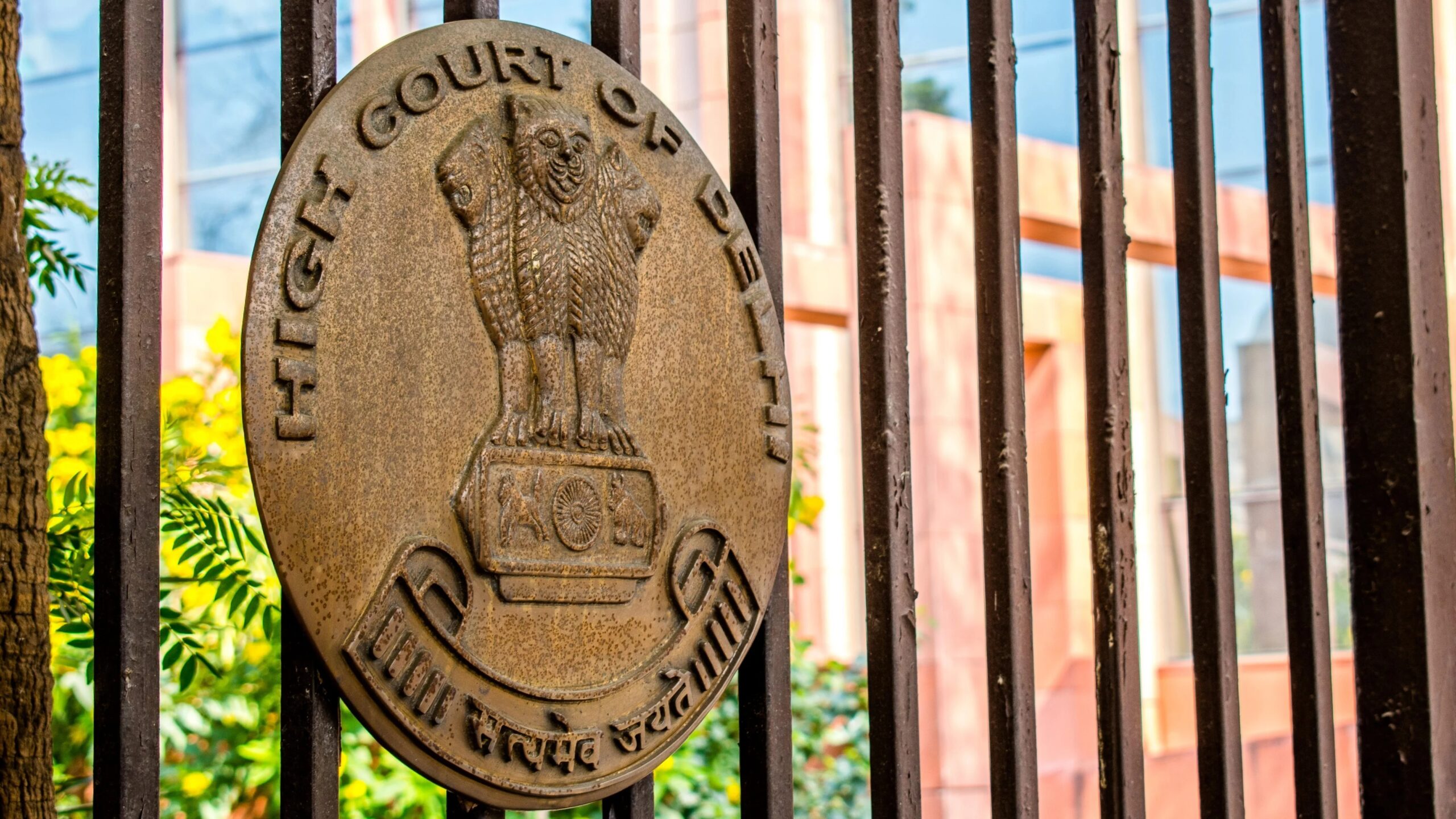
The Delhi High Court’s dismissal of appeals filed by prominent Kashmiri separatist leaders in the Jammu & Kashmir terror funding case is not merely a procedural ruling—it is a judicial moment with far-reaching political, legal, and psychological consequences.
By refusing to interfere with the trial court’s order framing charges under the Unlawful Activities (Prevention) Act (UAPA), the High Court has effectively shut the door on a commonly used legal route that allows accused persons in high-profile cases to delay trials for years. The decision ensures that the prosecution’s case, led by the National Investigation Agency (NIA), will now move into the trial phase without interruption.
For Kashmir’s separatist ecosystem, this ruling represents a serious institutional setback. For India’s counter-terror financing framework, it is a significant reinforcement.
Who Are the Accused? Understanding the Political Weight of the Case
The dismissed appeals were filed by individuals who, collectively, represent decades of separatist politics and militant-linked networks in Jammu & Kashmir:
Masarat Alam Bhat
A hardline separatist leader, Alam has long been associated with street protests, shutdown calls, and anti-India mobilization. He is considered ideologically uncompromising and has repeatedly been detained under preventive laws.
Shabir Ahmed Shah
Often referred to as the “Nelson Mandela of Kashmir” by his supporters, Shah has spent decades in jail. Indian agencies allege he played a central role in receiving and distributing foreign funds for separatist activities.
Nayeem Ahmad Khan
A senior separatist figure linked with the Hurriyat Conference, Khan is accused of facilitating financial channels used to support unrest and militant logistics.
Zahoor Ahmad Shah Watali
A businessman alleged to be a key conduit for terror funding. Investigators claim Watali used his commercial network to route funds to separatist leaders and stone-pelting networks.
Shahid Yousuf and Syed Ahmad Shakeel
Sons of Hizbul Mujahideen chief Syed Salahuddin, both are accused of acting as recipients and handlers of funds meant to support militant activity.
The presence of Salahuddin’s sons in the case gives it a transnational dimension, as Salahuddin operates primarily from Pakistan-occupied territory and is designated a terrorist by India.
What the Delhi High Court Ruled—and Why It Matters
The Legal Core of the Judgment
A Division Bench comprising Justice Vivek Chaudhary and Justice Manoj Jain held that an order framing charges is an interlocutory order. Under Section 21 of the NIA Act, appeals against such orders are not maintainable.
In simple terms:
-
Framing of charges is an intermediate procedural step.
-
The law does not allow appeals against such steps to avoid endless litigation.
-
The accused must raise their defense during trial, not before it begins.
This interpretation aligns with previous Supreme Court jurisprudence and reflects a consistent judicial effort to prevent procedural abuse in terror-related cases.
Why Interlocutory Orders Are Crucial in Terror Trials
In terror financing and national security cases, delays are often strategic. Appeals against framing of charges have historically:
-
Stalled trials for years
-
Allowed accused persons to remain in legal limbo
-
Weakened witness morale
-
Diluted public confidence in the justice system
By reaffirming that such orders cannot be appealed under the NIA Act, the Delhi High Court has reinforced the speed-versus-security balance that counter-terror laws are designed to maintain.
Strengthening the NIA’s Hand
For the National Investigation Agency, the ruling removes a significant procedural hurdle.
What This Means for the Prosecution
-
The trial court can now proceed to record evidence.
-
Witness examinations will begin without appellate interruptions.
-
Financial trails, foreign remittances, and hawala networks will be scrutinized in open court.
This momentum is particularly important in terror funding cases, where evidence often involves:
-
International transactions
-
Classified intelligence inputs
-
Protected witnesses
Political Shockwaves in Kashmir’s Separatist Circles
Erosion of Symbolic Leadership
Separatist politics in Kashmir has traditionally relied on symbolism—leaders imprisoned, cases pending, and prolonged legal battles that fuel narratives of victimhood.
This ruling disrupts that narrative.
With trials now inevitable:
-
Leaders lose the political advantage of indefinite legal delay.
-
The movement’s ability to mobilize sympathy weakens.
-
Internal fissures within separatist ranks may widen.
Operational Paralysis
Several accused individuals are alleged to have acted as:
-
Financial coordinators
-
Communication bridges
-
Strategic planners
Their prolonged engagement in trial proceedings limits their operational influence, even indirectly.
Public Perception: Accountability Over Ambiguity
Among large sections of the Indian public, the verdict is seen as a reaffirmation of accountability.
For victims of terrorism and unrest:
-
It signals seriousness in prosecuting financial backers.
-
It demonstrates judicial unwillingness to allow procedural evasion.
In Kashmir itself, reactions are more complex—ranging from quiet acceptance to ideological resistance—but the legal process now commands center stage.
A Broader Message on Terror Funding
Zero Tolerance, Institutionalized
The ruling reinforces a clear institutional message:
-
Terror funding is not a political issue—it is a criminal offense.
-
Legal technicalities will not override national security imperatives.
-
Courts will support expedited trials within constitutional boundaries.
This message resonates beyond Kashmir, applying equally to terror financing cases across India.
Legal Precedent: What Future Cases Will Cite
The judgment is likely to be cited in:
-
Future UAPA cases
-
NIA prosecutions involving economic support to terror groups
-
Appeals challenging charge-framing orders
By clarifying the scope of Section 21 of the NIA Act, the Delhi High Court has narrowed interpretive ambiguity.
Separatist Politics at a Crossroads
For decades, separatist leadership in Kashmir has operated in a space where:
-
Politics, protest, and legal delay intersected
-
Trials were rare, and convictions rarer
That space is shrinking.
With courts emphasizing trial completion over preliminary litigation, separatist politics faces a fundamental question: Can it survive without the shield of procedural ambiguity?
Conclusion: A Judicial Decision With Strategic Depth
The Delhi High Court’s dismissal of appeals in the J&K terror funding case is not just about legal interpretation—it is about institutional resolve.
By ensuring that trials proceed unhindered:
-
The judiciary has reinforced the seriousness of terror funding charges.
-
The NIA has been empowered to present its case fully.
-
Separatist leadership faces unprecedented legal scrutiny.
In Kashmir’s long and complex conflict narrative, this verdict marks a shift—from symbolic resistance to substantive accountability.
Frequently Asked Questions (FAQs)
1. What did the Delhi High Court decide in the J&K terror funding case?
The court dismissed appeals challenging the framing of charges under UAPA, ruling such orders are interlocutory and not appealable under the NIA Act.
2. Who are the main accused in this case?
Masarat Alam Bhat, Shabir Ahmed Shah, Nayeem Ahmad Khan, Zahoor Ahmad Shah Watali, and Syed Salahuddin’s sons Shahid Yousuf and Syed Ahmad Shakeel.
3. What is an interlocutory order?
It is a temporary or intermediate court order that does not decide the final outcome of a case.
4. Why is this ruling important for the NIA?
It allows the agency to proceed with trial and evidence without procedural delays.
5. How does this affect separatist politics in Kashmir?
It weakens leadership leverage, reduces delay tactics, and increases legal accountability.