Kashmir Reports Eight Fire Incidents in 24 Hours: A Winter Fire Safety Mega-Feature
By: Javid Amin | 24 December 2025
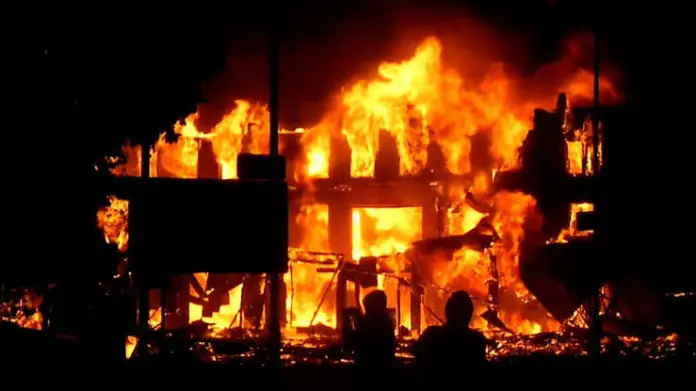
In a span of 24 hours between December 23 and December 24, 2025, eight fire incidents were confirmed across multiple districts in the Kashmir Valley, prompting swift responses by the Fire and Emergency Services (F&ES) teams. While no fatalities were reported, several residential buildings, cowsheds, forest patches, and even Army barracks sustained damage before firefighters managed to bring the blazes under control.
This extensive feature examines each reported incident, probable causes — especially linked to winter conditions — the performance of emergency responders, and critical fire safety protocols for households and communities.
Profile of the 24-Hour Fire Outbreaks
Sopore: Residential Structure and Cowshed Damaged
One of the most significant blazes within this 24-hour span occurred in Firdous Colony, Delina in Sopore, where a double-storeyed residential building along with an attached cowshed caught fire. Firefighters responded quickly, containing the fire before it spread to adjoining structures.
Kupwara – Pazalpora, Magam: A Deodar Tree Fire
In the Pazalpora area of Magam in Kupwara, a Deodar tree ignited and was reported burning, drawing Fire & Emergency Services personnel to extinguish the flame before it could spread to nearby vegetation or properties.
Kupwara – Zangil: Army Barracks Affected
Also in Kupwara, at the **28 Light Infantry camp in Zangil, three Army barracks constructed with GCI sheets, wooden materials, and pucca structures were damaged by fire. The blaze posed a significant threat given the flammable nature of the material, but it was contained through coordinated efforts.
Bandipora: Residential House Fire
In Shah-e-Hamdan Colony, Tandpora in Hajin (Bandipora district), a residential house fire was recorded. Here, too, prompt firefighting action averted a wider disaster.
Pulwama: Forest Blaze and Residential Fires
Pulwama district recorded multiple fire events. A forest fire at Gatipora, Keller was successfully brought under control, and a residential home was also affected by fire in Pirchoo. Similarly, a cowshed at Dachoo in Zainapora suffered damage.
Budgam: Dry Grass Ignites in Pathanpora
In Pathanpora, Nasrulla Pora area of Budgam, a patch of dry grass caught fire and was rapidly extinguished by responding units.
In total, all reported incidents were quickly addressed, and firefighters prevented any loss of human life despite property damage.
Why Are Fire Incidents Rising in Kashmir, Especially in Winter?
While isolated fire incidents happen year-round, winter marks a distinct upswing in fire risks in Kashmir for multiple interconnected reasons.
1. Electrical Short Circuits Due to Load Stress and Old Wiring
With temperatures plummeting during Kashmir’s winter, household use of electric heaters, coils, and high-wattage appliances increases sharply. The resulting load on electrical systems frequently leads to short circuits, which are one of the most common triggers of fires — a pattern reflected in repeated official advisories.
Officials have repeatedly highlighted that outdated wiring, overloaded sockets, and lack of professional electrical inspection significantly elevate fire risks, particularly in older residential structures.
2. Unsafe or Improper Use of Heating Devices
Traditional heating devices — including bukharis (coal or wood heaters), LPG devices, electric coils, and even substandard electric blankets — are widely used during winter. Without proper safety checks and monitoring, these devices can spark fires or overheat, sending embers into flammable surroundings.
In recent assessments, fire officials specifically pointed to defective or substandard electric blankets as silent but serious hazards, especially when left on for prolonged periods or used without supervision.
3. Wooden Structures and Flammable Materials
A sizeable number of homes and auxiliary structures in the Valley — including cowsheds, storage rooms, and barracks — contain significant wooden materials. Combined with dry conditions, once fire starts, it can spread with alarming speed.
4. Dry Winter Conditions and Low Humidity
Kashmir’s mid-winter climate, particularly during the Chillai Kalan phase (December 21 to January 31), is characterized by low humidity and cold, dry air. These conditions make both vegetation and built structures more flammable, increasing the likelihood that a small spark can evolve into a serious fire.
5. Community Practices and Storage of Combustibles
Fire officials have flagged unsafe storage of dry firewood, straw, charcoal, and other combustible materials near living spaces as contributing factors. Such practices are common to conserve heat but inadvertently increase fire susceptibility.
Firefighting Response: Coordination, Challenges, and Commendations
Despite the spate of incidents, multiple independent local news reports confirm that Fire and Emergency Services personnel responded with urgency, professionalism, and discipline.
Leadership and Coordination
Operations were supervised under the leadership of ADGP Fire and Emergency Services Alok Kumar (IPS), ensuring strategic coordination across districts and effective command-and-control during emergency deployments.
Time-Sensitive Interventions
Across varied terrain and urban-rural settings, firefighters reached scenes quickly, often preventing small fires from escalating into larger conflagrations.
Handling Diverse Fire Types
From residential blazes to forest fires to more complex structural fires at military installations, teams demonstrated flexibility and dedication in dealing with different fire dynamics.
Challenges Faced
While effective, responders confront ongoing challenges:
-
Narrow lanes and congested neighborhoods make fire engine access difficult.
-
Water access can be limited in some areas, especially when water sources freeze or pressure drops during extreme cold.
-
Simultaneous multiple calls strain available response resources.
Despite these hurdles, the zero casualty outcome in the recent incidents is widely credited to rapid mobilization and local community cooperation.
Essential Fire Safety Guidance for Households and Communities
To reduce the frequency and severity of fire incidents during harsh winters, authorities and experts recommend a robust set of preventive and preparedness measures.
1. Regular Electrical Inspections and Upgrades
-
Professional assessment of household wiring, circuits, and load capacity prior to winter.
-
Replace old or damaged wires and sockets.
-
Avoid makeshift modifications by untrained persons.
These steps significantly reduce the risk of short circuit–related fires.
2. Use Only Certified, High-Quality Heating Devices
-
Procure ISI-marked and quality certified heaters, electric blankets, and LPG devices.
-
Do not rely on cheap, uncertified equipment.
-
Ensure devices are properly maintained and serviced before use.
Fire officials have stressed this repeatedly as a key preventive action.
3. Safe Operation of Electrical Appliances
-
Switch off heaters and electric blankets when unattended.
-
Avoid running high-wattage devices simultaneously on the same circuit.
-
Use surge protectors and circuit breakers where possible.
These simple actions can prevent overloads that spark fires.
4. Maintain Safe Clearances Around Heat Sources
-
Keep heaters away from curtains, bedding, flammable materials, and wooden furniture.
-
Store firewood, straw, and other combustibles safely away from living spaces.
5. Equip Homes with Fire Safety Tools
-
Install dry chemical powder fire extinguishers (5–6 kg) in key areas such as kitchens and living rooms.
-
Fire blankets and smoke detectors are also recommended.
6. Community Fire Safety Awareness Programs
Local mohalla committees and resident welfare associations can conduct periodic fire drills, awareness workshops, and community watch initiatives.
Authorities encourage communities to foster shared vigilance.
7. Emergency Response Preparedness
-
Save local Fire & Emergency Services hotlines (e.g., dial 101).
-
Report suspected electrical hazards immediately.
-
In case of fire, prioritize evacuation and alert responders rather than attempting risky DIY firefighting.
Key Takeaways
The recent pattern of eight fire incidents across Kashmir in 24 hours underscores a broader trend of heightened fire risk during winter months. While Fire and Emergency Services teams have acted swiftly and professionally, preventing casualties and containing damage, the underlying risk environment remains high due to weather conditions, fuel-use practices, and structural vulnerabilities.
Winter fire safety is not solely an institutional responsibility; household vigilance, safer appliance use, communal cooperation, and preventative maintenance are essential to preventing avoidable disasters in Kashmir’s challenging winter climate.