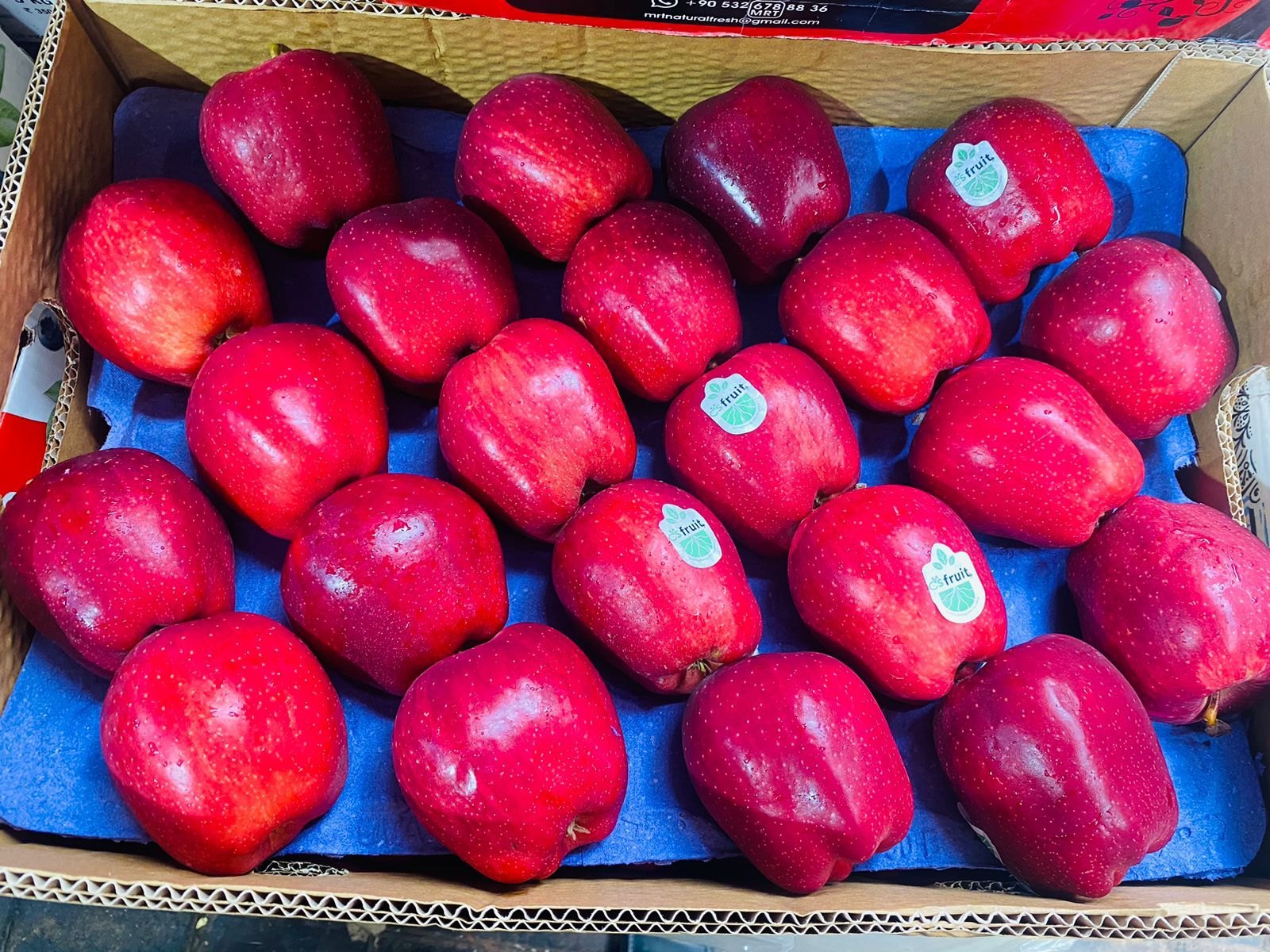
New Zealand Apple Imports May Hit Kashmiri Growers Hard: NC Warns of Price Crash & Livelihood Risk
By: Javid Amin | 26 December 2025
When Global Trade Meets a Fragile Local Economy
In Kashmir, apples are not just a fruit—they are an economy, a livelihood, and for many families, the difference between stability and distress. Against this backdrop, the National Conference (NC) has raised a sharp warning: importing apples from New Zealand under a new trade agreement could severely damage Kashmiri growers, destabilise domestic prices, and threaten the Valley’s horticulture-based economy.
The concern comes at a time when Kashmir’s apple industry—already grappling with rising input costs, erratic weather, and market volatility—is still recovering from years of disruptions. The NC’s warning has reignited a larger debate: how far should India open its markets when domestic farmers remain vulnerable?
What the NC Is Objecting To
The National Conference has urged the Central Government to reconsider apple imports from New Zealand, particularly under concessional or reduced-duty arrangements.
Key Points Raised by NC
-
Imported apples could undercut Kashmiri produce on price
-
Past experiences show imports have hurt local growers and traders
-
Imported apples should not be given tax exemptions or steep duty cuts
-
Timing of imports could coincide with the release of CA-stored Kashmiri apples
NC spokesperson Imran Nabi Dar articulated the concern bluntly, arguing that trade liberalisation must not come at the cost of local livelihoods.
“No Foreign Apple Can Match Kashmiri Produce”: The Quality Argument
Beyond pricing, the NC and growers alike stress the intrinsic value of Kashmiri apples.
Why Kashmiri Apples Matter
-
Grown in high-altitude, temperate conditions
-
Known for natural sweetness, aroma, and texture
-
Minimal chemical intervention compared to some imports
-
Long-established domestic and international reputation
“Kashmiri apples are superior in taste and highly beneficial for health,” Dar said, asserting that quality competition should not be distorted by policy-driven price advantages for foreign produce.
Understanding the Core Fear: Timing and CA Storage
What Is CA Storage?
Controlled Atmosphere (CA) storage allows Kashmiri apples harvested in autumn to be released gradually between April and August, ensuring:
-
Year-round market presence
-
Better price realisation for farmers
-
Reduced post-harvest losses
Why Imports During This Period Hurt Most
Growers fear that New Zealand apples entering Indian markets during the same April–August window could:
-
Flood the market with cheaper alternatives
-
Depress wholesale prices
-
Render CA storage investments unviable
“If imported apples arrive when we release CA stock, our prices will collapse,”
— Apple grower, Sopore
This overlap is at the heart of the growers’ anxiety.
The Kashmiri Apple Economy: What’s at Stake
Scale of the Industry
-
Supports lakhs of people directly and indirectly
-
Backbone of rural Kashmir’s economy
-
Involves growers, packers, transporters, traders, and cold storage operators
For many districts, apples account for 60–80% of household income.
Rising Costs, Shrinking Margins
Growers already face:
-
Higher fertiliser and pesticide costs
-
Increased labour expenses
-
Transport and packaging inflation
-
Weather-related crop uncertainties
Cheaper imports, they argue, could become the final blow.
What the Trade Deal Proposes
Under the proposed trade arrangements:
-
Import duties on apples could drop from 50% to 25%
-
New Zealand apples gain enhanced access under a tariff rate quota (TRQ) system
From a trade perspective, the Centre sees this as:
-
Strengthening bilateral ties
-
Offering consumers more choice
-
Aligning with global trade commitments
From a farmer’s perspective, it looks like unequal competition.
Stakeholder Perspectives at a Glance
| Stakeholder | Position | Implication |
|---|---|---|
| National Conference | Opposes duty concessions | Calls for protection of Kashmiri growers |
| Kashmiri Apple Farmers | Fear price crash | Income and livelihood risk |
| Central Government | Pursuing trade liberalisation | Balances diplomacy and consumer interest |
| Consumers | May get cheaper apples | Risk to domestic farming ecosystem |
Ground Voices: What Growers Are Saying
Anxiety in Orchard Belts
In apple-growing hubs like Shopian, Sopore, and Baramulla, growers express deep unease.
“We are not afraid of competition, but it must be fair. How do we compete with subsidised imports?”
— Grower, Shopian
Investment at Risk
Many farmers have:
-
Taken loans to modernise orchards
-
Invested in CA storage linkages
-
Shifted to high-density plantations
A sustained price drop could turn these investments into long-term debt traps.
Economic Risks Beyond Farmers
Ripple Effects
A weakened apple industry affects:
-
Transport and logistics operators
-
Packaging and carton manufacturers
-
Cold storage businesses
-
Rural employment
Market Destabilisation
Experts warn that repeated import shocks could:
-
Discourage future orchard investment
-
Reduce domestic production capacity
-
Increase long-term dependence on imports
This undermines food and economic security.
Political Dimension: Trade Policy Meets Regional Sensitivities
The NC’s opposition is also politically significant.
Why This Issue Resonates
-
Apples are emotionally and economically central to Kashmir
-
Trade decisions taken without local consultation fuel resentment
-
Perception that local interests are being sacrificed for global deals
The issue underscores broader tensions between centralised trade policy and regional agricultural realities.
Are Consumers the Only Winners?
Short-term benefits may include:
-
Lower retail prices
-
Greater variety
But agricultural economists caution:
-
Short-term consumer gains can lead to long-term domestic losses
-
Once local producers exit, prices may rise again due to import dependence
In such scenarios, neither farmers nor consumers ultimately win.
What Experts Suggest: A Middle Path
Rather than an outright ban, experts propose:
-
Seasonal import restrictions during CA release months
-
Safeguard duties if prices fall below a threshold
-
Gradual tariff reduction, not sudden cuts
-
Export support for Kashmiri apples to global markets
Trade liberalisation, they argue, must be sequenced and sensitive.
FAQs
Q1: Why are New Zealand apples controversial?
Because reduced duties could make them cheaper than domestic apples, hurting Kashmiri growers.
Q2: When are Kashmiri apples sold?
Fresh apples are sold in autumn; CA-stored apples are released from April to August.
Q3: Does quality matter in pricing?
Yes, but policy-driven price advantages can override quality differences in mass markets.
Q4: Has this happened before?
Yes, growers say previous imports negatively impacted local prices.
Conclusion: More Than a Trade Dispute, a Question of Survival
The debate over New Zealand apple imports is not merely about international trade—it is about who bears the cost of liberalisation.
For Kashmir, apples are not a luxury commodity but a lifeline industry. The NC’s warning reflects a deeper fear: that without protective measures, global trade decisions could hollow out a fragile regional economy.
As India opens its markets, the challenge will be to ensure that domestic farmers are not left defenceless. Otherwise, the price of cheaper imports may be paid not at supermarket counters—but in the orchards of Kashmir.