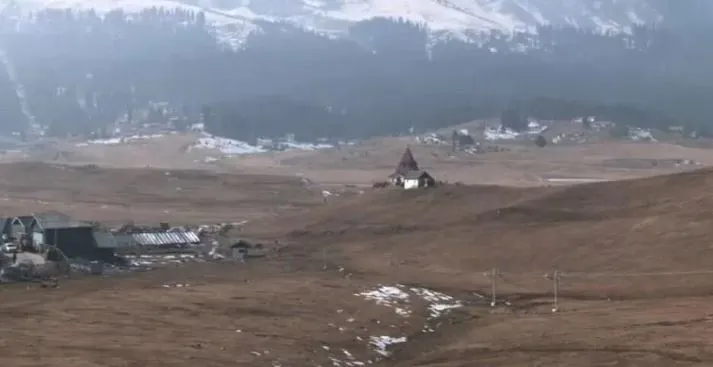
As Winter Snow Vanishes, Kashmir Faces a Growing Water and Climate Emergency
By: Javid Amin | 04 January 2025
Kashmir is facing a growing snow drought, with winter snowfall deficits crossing 40 percent in recent years. What appears like a dry or “mild” winter is quietly threatening water security, agriculture, hydropower, and tourism across the western Himalaya. Experts warn the impacts of reduced snow are delayed but severe — emerging months later as rivers shrink, springs dry, and livelihoods come under strain.
What Is a Snow Drought?
Snow Drought Explained: When Winter Fails Silently
A snow drought occurs when winter snowfall is far below normal or when rising temperatures cause snow to melt too early. In the Himalaya, snow is not just weather — it is storage. It acts as a natural reservoir, releasing water slowly into rivers, springs, soils, and aquifers during spring and summer.
In Kashmir, this system is breaking down.
Recent winters have seen snow arrive late, fall lightly, or disappear quickly — leaving mountains bare during periods that once guaranteed snow cover.
What the Data and Ground Reports Reveal
Snowfall Deficits Are No Longer an Exception
-
Several recent winters recorded over 40% snowfall deficit in Jammu & Kashmir
-
One seasonal assessment noted a 46.63% shortfall, reflecting a persistent trend
-
Snow persistence — how long snow stays on the ground — has sharply declined
Environmental observers note that even when snowfall occurs, it melts weeks earlier than expected, reducing its usefulness as stored water.
Why Snow Is Kashmir’s Lifeline
Snow = Water Security
Snow feeds:
-
The Jhelum river system
-
Springs that supply villages and towns
-
Groundwater recharge zones
-
Lakes and wetlands
Unlike rain, snow melts gradually, ensuring steady water availability during dry months. When snow is missing, water stress appears later — often when demand is highest.
Water Crisis Delayed, Not Avoided
Shrinking Springs and Drying Channels
Across Kashmir:
-
Springs show reduced discharge in late spring and summer
-
Rural areas face drinking water shortages
-
Irrigation demand rises while supply weakens
The danger of snow drought lies in timing — by the time shortages appear, winter recharge opportunities are already lost.
Agriculture and Orchards Under Pressure
Why Farmers Fear Snowless Winters
Snow protects soil, controls pests, and replenishes moisture. Without it:
-
Soil dries faster
-
Pest survival increases
-
Crop stress intensifies
Apple, walnut, almond, and cherry orchards — central to Kashmir’s economy — are especially vulnerable. Farmers increasingly report irregular flowering, reduced yields, and long-term orchard stress linked to winter snow deficits.
Hydropower at Risk
When Snowmelt Declines, Power Generation Suffers
Hydropower projects depend on predictable snowmelt. Snow drought causes:
-
Reduced summer river flows
-
Lower electricity generation
-
Increased reliance on external power
This threatens energy security in a region where winter demand is already high.
Tourism’s Fragile Snow Economy
Gulmarg Without Snow Is Not Gulmarg
Winter tourism depends on consistent snowfall for:
-
Skiing and snow sports
-
Seasonal employment
-
Hotel and transport income
Snow-deficit winters shorten tourism seasons, disrupt livelihoods, and weaken confidence among visitors and investors alike.
Ecological Consequences Beyond Humans
Snow Loss Alters Entire Ecosystems
Reduced snow cover leads to:
-
Soil erosion
-
Loss of alpine vegetation
-
Wetland degradation
-
Higher wildfire risk in summer
These ecological changes ripple through biodiversity, water systems, and landscape stability.
Climate Change and the Himalayan Warning
Himalayas Are Warming Faster Than Average
Scientific assessments show:
-
Himalayan temperatures rising faster than the global mean
-
More winter rain replacing snow
-
Accelerated glacier retreat
Snow drought is not an isolated anomaly — it is a clear climate signal.
Why Snow Drought Is Hard to See — and Easy to Ignore
Unlike floods or landslides:
-
Snow drought has delayed impacts
-
Damage unfolds quietly
-
Policy response often comes too late
By the time rivers run low, the crisis is already months old.
What Can Be Done?
Building Resilience in a Snow-Scarce Future
Water
-
Spring revival projects
-
Local storage reservoirs
-
Efficient irrigation
Agriculture
-
Climate-resilient crop planning
-
Soil moisture conservation
-
Orchard adaptation strategies
Tourism
-
Year-round tourism diversification
-
Reduced dependence on snow-only activities
Policy
-
Snow monitoring systems
-
Climate-linked water planning
-
Cross-sector adaptation strategies
Editorial Takeaway
Kashmir’s snow drought is a crisis hidden in plain sight. What looks like a dry winter today becomes a water emergency tomorrow. As snowfall patterns change, the valley faces a choice — adapt early or pay a much higher price later.


