Is It an Excuse for You? Ruhullah Slams NC Govt Over Reservation Policy Inaction | J&K Reservation Crisis Explained
By: Javid Amin | 12 January 2026
Prologue: Unprecedented Dissent Within the NC
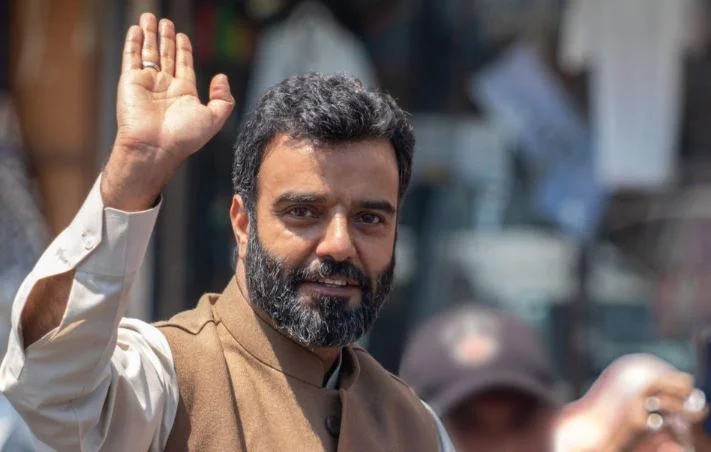
On a cold winter morning in Srinagar, National Conference (NC) Member of Parliament Aga Syed Ruhullah Mehdi broke political norms in Jammu & Kashmir by publicly attacking his own government’s handling of the reservation issue. His blistering question — “Is it an excuse for you?” — was directed not at the opposition, but at his party leadership led by Chief Minister Omar Abdullah, accusing the administration of inaction and delaying crucial reforms.
This confrontation is not merely political theatre: it represents a genuine governance crisis with wide ramifications for J&K’s youth, meritocratic aspirations, and the broader credibility of the ruling NC. In this feature, we unpack the genesis of the reservation controversy, Ruhullah’s protest and its implications, internal NC dynamics, community reactions, and what lies ahead for the union territory’s changing political landscape.
What Happened — From Deadline to Demonstration
A Stark Political Rebuke
In December 2024, Ruhullah Mehdi gave the NC government a clear ultimatum: rationalise the reservation policy by December 22, 2024. When this deadline passed without substantive reform, the MP did not merely express disappointment — he declared a public protest outside the Chief Minister’s residence in Srinagar.
This move was historic. A sitting MP from the ruling party protesting against his own government is unprecedented in recent J&K politics and sent shockwaves through Gupkar Road and beyond.
The Protest Itself
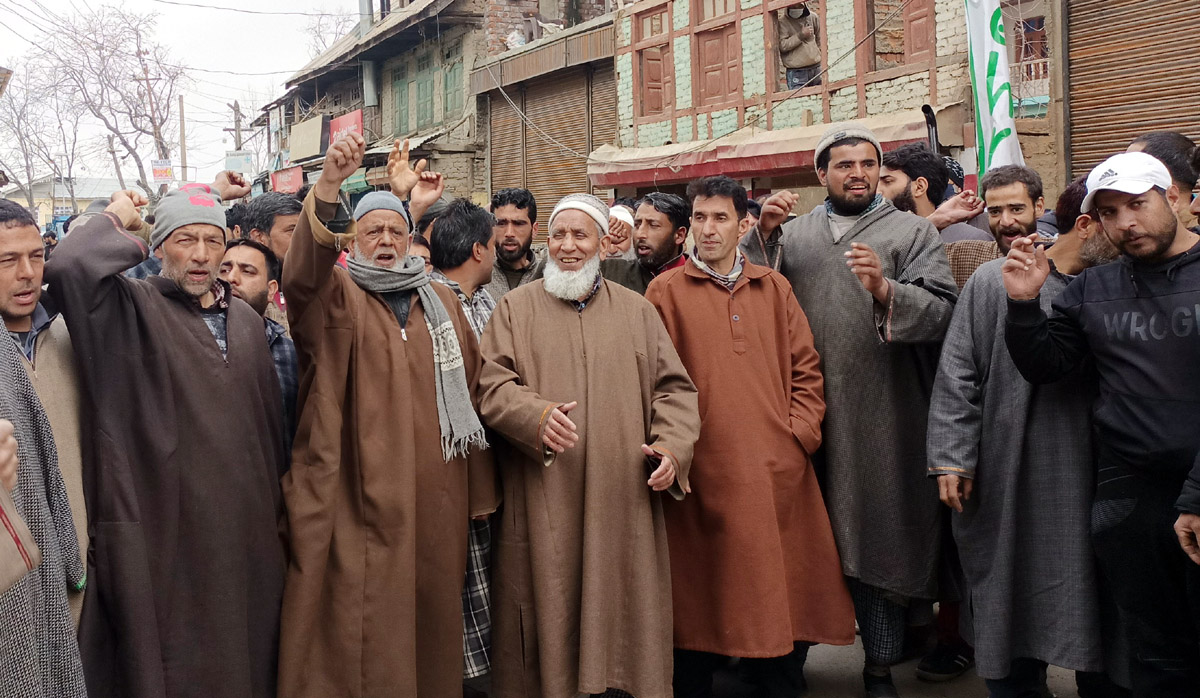
Ruhullah, accompanied by students, educators, and civil society activists, assembled outside Omar Abdullah’s official residence. Demonstrators voiced their frustration over a reservation system that, in their view, undermines open merit and fails to address a skewed policy landscape. Banners and slogans echoed the protesters’ key demand: rationalise the quota structure to ensure fairness.
Notably, this protest marked the first occasion where the NC leadership faced public demonstrations led by one of its lawmakers. That rupture reflects not only discontent on specific policy but a deepening political fault line within the party.
What the Reservation Controversy Is All About
The Post-370 Reservation Framework
After the abrogation of Article 370 in August 2019, the political and administrative architecture of Jammu & Kashmir was fundamentally restructured. One major overhaul was the introduction of a new reservation policy governing government jobs and educational admissions.
Under the current system:
-
Open Merit (OM) candidates have access to a minority share of posts/seats.
-
Reserved quotas for different categories (Scheduled Castes, Scheduled Tribes, Residents of Backward Areas, Economically Weaker Sections, OBCs, etc.) exceed 60% in many cases.
-
Open Merit candidates compete for less than 40% of opportunities — a situation that many observers say distorts fairness standards compared to other Indian states.
Public and Student Backlash
Students in Kashmir, particularly those from the open merit category, have consistently demanded rationalisation of the system — arguing that talented youths are squeezed out despite high academic performance. Some point to professional exams where OM candidates secured just 192 out of 480 medical officer posts, drawing fresh criticism of quota allocation.
Protesters argue that while affirmative action is necessary for upliftment of disadvantaged groups, there must be a balance — not a situation where the majority competes for a small share while reservation categories dominate the rest.
Government Response and Sub-Committee Formation
Under mounting pressure, the NC government did act structurally. A Cabinet Sub-Committee was formed to review the reservation policy, and its recommendations have since been approved by the cabinet and forwarded to Lieutenant Governor Manoj Sinha for sanction.
The proposed adjustments would reduce EWS and RBA quotas, boosting the open merit share to approximately 40% in jobs and close to 50% in vertical reservations — signaling a compromise in favour of student demands.
However, implementation remains pending, contributing to continued unrest.
Ruhullah’s Stance – Advocate, Dissenter, or Both?
From Advocate to Government Critic
Aga Syed Ruhullah Mehdi, a seasoned politician and MP representing Srinagar Lok Sabha seat, has long championed causes including statehood restoration, Article 370 reversal debates, and rights for youth and aspirants. Over recent months, he has not only critiqued the reservation policy but also implied that the NC’s broader political agenda is diluted.
At a public gathering in Sopore, he emphasised accountability in politics and hinted at an independent political trajectory if meaningful reforms are not implemented. He underscored that his protest was not only about reservation but about political accountability and credibility.
Criticism From Within, and Backlash
Chief Minister Omar Abdullah, while acknowledging concerns, publicly rebuffed Ruhullah’s threats and maintained that the government was working on the issue. This exchange was caught in several media reports, underscoring the strain within NC ranks.
Ruhullah’s push comes with political baggage as well — he has been chargesheeted by the Anti-Corruption Bureau for alleged tampering with revenue records in Budgam district. While Ruhullah has termed these allegations “politically motivated,” critics argue it complicates his moral authority on governance issues.
The Realities of Open Merit Versus Quota Politics
Open Merit Concerns
In a region where about 69% of the population falls under the general category, yet a small fraction of opportunities are reserved for them, open merit advocates have argued that the system effectively penalises the majority.
Examples include disproportionately small OM allocations in public service selections, which fuel perceptions of injustice and bias.
Arguments for Reservation
Proponents of affirmative action counter that reservation policies must consider historical injustices and the needs of socio-economically disadvantaged groups — including Scheduled Tribes and communities like Paharis, whose inclusion in ST quotas has been a long-running demand.
This debate is not unique to J&K but resonates with broader Indian affirmative action discussions — yet the particular post-Article 370 policy framework has injected unique political stress into the union territory’s governance.
Broader Political Implications
Internal NC Divisions Exposed
Ruhullah’s protest illuminates a larger tension inside the National Conference:
-
On one side is the party leadership, striving for political balance and incremental reform.
-
On the other is a rebellious faction — led by Ruhullah — demanding swift action and alignment with pledges made to youth and voters.
Observers argue this is symptomatic of NC’s struggle to maintain unity while responding to grassroots discontent.
Opposition and Wider Political Context
Opposition parties — including the PDP — have joined in protests and criticism of reservation policies, turning this into a wider political issue beyond the NC alone. This has forced the government to engage with rivals on common ground concerning reservation rationalisation.
Risks and Future Scenarios
Risks to Political Cohesion
Public dissent from within a ruling party inevitably weakens its perceived unity and electoral strength. For the NC, already navigating complex negotiations over statehood restoration and post-370 administration, this controversy adds another stress point.
Community and Aspirant Frustration
Delayed reforms risk alienating students, job aspirants, and open-merit advocates, possibly driving organised protests or political realignment. As seen in recent demonstrations, student voices are growing louder and less patient.
Potential Political Realignments
Should the government continue to delay effective implementation or produce half-measures, the fallout could include strengthened opposition coalitions or even independent political movements stemming from Ruhullah’s bloc.
Conclusion: More Than a Policy Fight
What began as a policy dispute over reservation percentages has evolved into a defining political moment for Jammu & Kashmir — testing governance credibility, youth confidence in elected leadership, and the NC’s internal cohesion.
Ruhullah Mehdi’s challenge is not merely rhetorical. It questions whether the ruling leadership can deliver substantive reform on pressing issues and whether traditional party structures can adapt to rising demands for accountability and fairness.
If the reservation policy remains unresolved or perceived as unresolved, the consequences will echo beyond campus gates and job lists — shaping electoral politics, trust in governance, and the future of democratic aspirations in J&K.