Iran on the Brink: Nationwide Uprising, Deadly Crackdown, and Direct Threats Against Trump Push Tehran Toward a Historic Flashpoint
By: Javid Amin | 14 January 2025
A Perfect Storm Converges on Iran
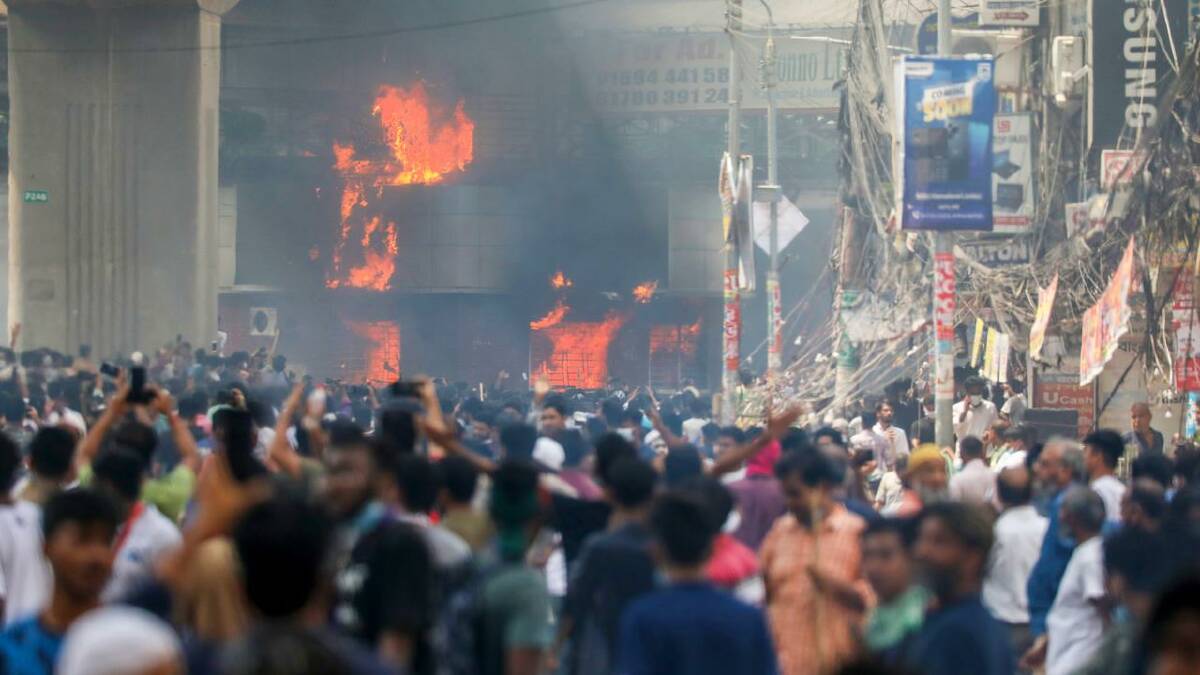
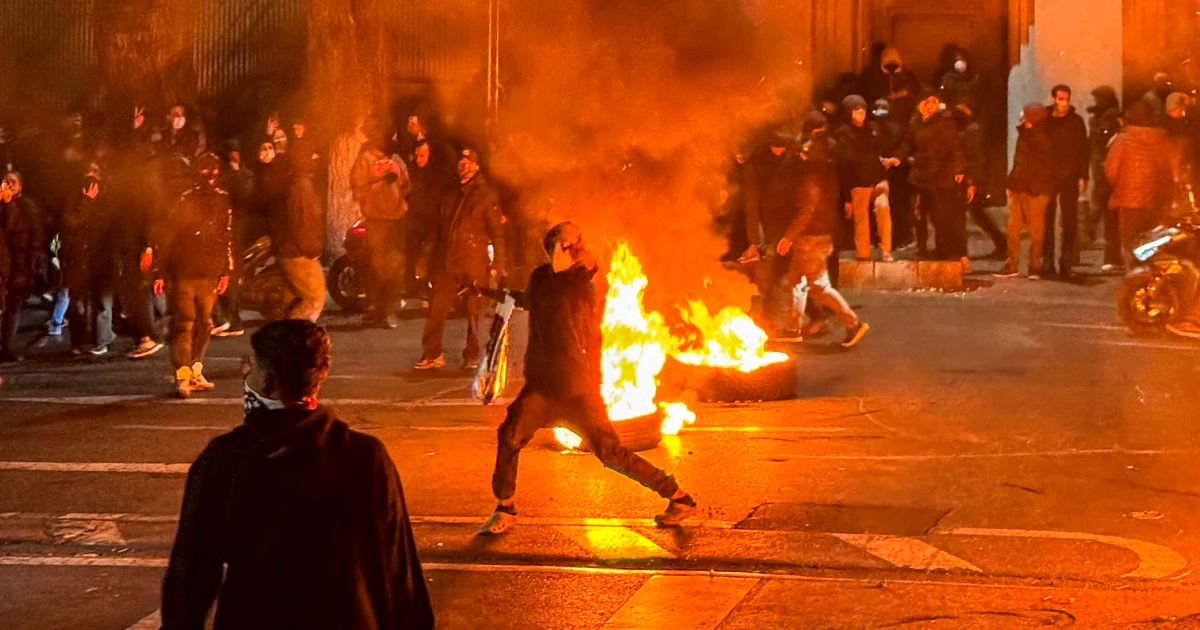
Iran is confronting one of the most dangerous moments in its modern history. What began as economic protests over inflation and currency collapse has rapidly evolved into a nationwide political uprising challenging the very foundations of the Islamic Republic. As security forces respond with lethal force, the death toll has surged into the thousands, arrests have crossed five figures, and the country has been plunged into information darkness through sweeping internet shutdowns.
At the same time, Iran’s long-simmering conflict with the United States has re-entered a volatile phase. Tehran has issued unusually explicit threats against U.S. President Donald Trump, warning that it “will not miss the target this time”—language widely interpreted as a reference to retaliation for the 2020 killing of General Qassem Soleimani. Washington, in turn, has threatened “strong action,” unveiled punitive trade measures targeting Iran’s economic lifelines, and signaled that military options remain on the table.
The convergence of domestic revolt, external pressure, and strategic brinkmanship has transformed Iran into one of the world’s most dangerous geopolitical flashpoints as 2026 begins.
1. Nationwide Protests: From Economic Despair to Political Revolt
How the Uprising Began
The current wave of unrest erupted on December 28, 2025, initially sparked by:
-
Severe inflation
-
Collapse of the Iranian rial
-
Rising food and fuel prices
-
Widespread unemployment and wage erosion
What started as localized demonstrations over economic hardship quickly spread across urban centers and provincial towns alike. Within days, protest slogans shifted from economic demands to overt political challenges, including calls for accountability, systemic reform, and an end to clerical dominance.
Scale and Reach
By early January 2026:
-
Protests had been reported in all 31 provinces
-
Demonstrations cut across class, ethnic, and generational lines
-
Labor groups, students, small business owners, and civil servants joined the movement
Analysts describe the uprising as structurally different from previous protest waves: deeper, more sustained, and more openly political.
2. Deadly Crackdown: The Human Cost Mounts
Casualties and Arrests
Human rights organizations monitoring the unrest estimate:
-
Over 2,000 people killed
-
More than 16,700 arrested
-
Hundreds remain missing or unaccounted for
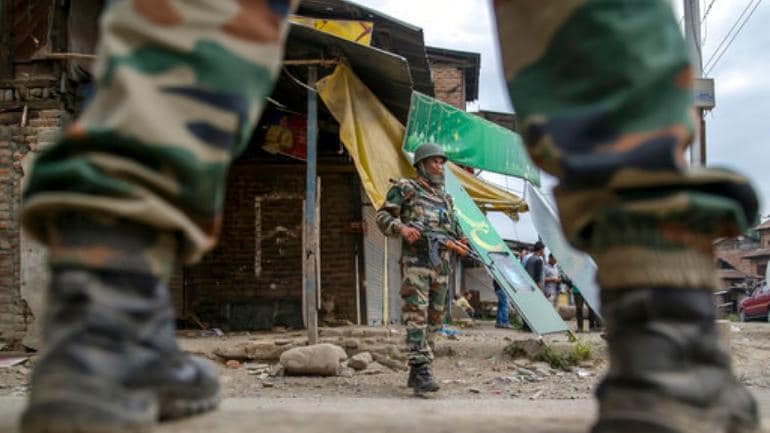
Security forces—including the Revolutionary Guards and Basij militias—have used live ammunition, mass arrests, and aggressive crowd-control tactics.
The Iranian government disputes these figures, labeling protesters as “armed militants” and “foreign-backed saboteurs.” However, independent verification has become increasingly difficult.
Internet Blackout and Information Control
To suppress coordination and documentation:
-
Authorities imposed nationwide internet shutdowns
-
Social media platforms and messaging services were blocked
-
Journalists faced detention and intimidation
The blackout has lasted for days at a time, obscuring the true scale of the violence and drawing comparisons to Iran’s darkest moments of internal repression.
3. Tehran’s Escalating Rhetoric: ‘We Will Not Miss the Target This Time’
Threats Against Trump
In an extraordinary escalation, Iranian officials issued warnings widely interpreted as direct threats against President Donald Trump.
The phrase “we will not miss the target this time” is seen as a reference to:
-
Iran’s failed missile strike against U.S. forces in Iraq in January 2020
-
Retaliation for the assassination of General Qassem Soleimani
The message is symbolic and strategic—signaling deterrence while appealing to domestic audiences demanding strength against the United States.
‘Prepared for War’
Foreign Minister Abbas Araghchi reinforced this posture, declaring Iran is:
-
“Prepared for war”
-
Ready to respond decisively to any foreign intervention
-
Simultaneously open to diplomacy under “mutual respect”
This dual messaging reflects a long-standing Iranian strategy: project military readiness publicly while keeping diplomatic channels discreetly open.
4. Trump’s Response: Tariffs, Threats, and Pressure Campaign 2.0
‘Strong Action’ Warning
President Trump has framed Iran’s crackdown as unacceptable, warning of:
-
Severe retaliation if violence continues
-
Economic punishment and possible military measures
-
Accountability for what U.S. officials describe as “crimes against civilians”
25% Tariff on Countries Trading with Iran
In a dramatic escalation, Trump announced:
-
A 25% tariff on any country that continues trade with Iran
-
The move targets Iran’s remaining economic partners
-
Potentially affects India, China, Turkey, Iraq, and the UAE
Legal scholars are debating whether such tariffs can be imposed unilaterally without congressional approval, but the political signal is unmistakable: Washington is prepared to weaponize access to U.S. markets.
5. Geopolitical Fallout: A World Caught in the Middle
Global Trade Dilemma
Trump’s tariff threat creates a stark choice for many nations:
-
Continue trading with Iran and risk U.S. penalties
-
Cut ties with Tehran to preserve access to U.S. markets
This has significant implications for:
-
Energy security
-
Supply chains
-
South–South trade corridors
Iran’s Accusation: ‘Manufactured Pretext for War’
Tehran accuses Washington of:
-
Exploiting protests as justification for intervention
-
Seeking regime destabilization under the guise of human rights
-
Repeating patterns seen in past Middle East conflicts
UN and International Response
The United Nations has expressed alarm over:
-
“Hundreds” of confirmed deaths
-
Potential crimes against humanity
-
The humanitarian consequences of prolonged unrest and sanctions
However, concrete international action remains limited, reflecting geopolitical divisions.
6. Comparative Snapshot: Where the Sides Stand
| Issue | Iran’s Position | U.S. Position | Global Impact |
|---|---|---|---|
| Protests | Labels protesters militants | Condemns crackdown | Human rights crisis |
| Threats to Trump | “Will not miss target” | Warns of retaliation | Risk of war |
| Trade Tariffs | Calls them illegal | 25% tariff threat | Trade disruption |
| Diplomacy | Public hostility, private talks | Sanctions + pressure | Fragile negotiations |
7. Risks & Trade-Offs: Why This Moment Is Dangerous
1. Escalation to War
Iran’s rhetoric and U.S. economic coercion risk miscalculation, particularly amid domestic instability.
2. Economic Freefall
Further isolation could:
-
Collapse remaining trade
-
Trigger shortages of food and medicine
-
Deepen public suffering
3. Humanitarian Emergency
With thousands dead or detained, Iran faces:
-
Medical supply shortages
-
Risk of famine in poorer regions
-
Long-term social trauma
4. Global Shockwaves
Any conflict could disrupt:
-
Oil markets
-
Regional security
-
Global trade flows
8. Timeline: Key Iran–U.S. Flashpoints (2018–2026)
2018
-
U.S. withdraws from the Iran nuclear deal (JCPOA)
-
Reimposes sweeping sanctions
2019
-
Tanker attacks in the Gulf
-
Iran shoots down a U.S. surveillance drone
-
Escalating naval confrontations
January 2020
-
U.S. kills General Qassem Soleimani in Baghdad
-
Iran launches missile strikes on U.S. bases in Iraq
2021–2022
-
Nuclear talks stall
-
Sanctions deepen Iran’s economic crisis
2023
-
Regional proxy conflicts intensify
-
Iran strengthens ties with Russia and China
2024
-
Iran faces renewed sanctions pressure
-
Internal economic strain worsens
December 2025
-
Nationwide protests erupt across Iran
January 2026
-
Thousands killed and arrested
-
Iran issues threats against Trump
-
U.S. announces 25% tariffs on Iran trade partners
-
Fears of war surge
Big Picture: A Regime at a Crossroads
Iran is no longer facing isolated protests or routine diplomatic friction. It is confronting:
-
A sustained domestic uprising
-
A legitimacy crisis at home
-
Intensifying confrontation with the world’s most powerful economy
The protests are no longer about inflation alone. They represent a fundamental challenge to governance, accountability, and political structure. Meanwhile, Trump’s aggressive posture and Tehran’s retaliatory rhetoric have transformed the crisis into a global concern.
Conclusion: Between Collapse and Confrontation
Iran stands at a historic inflection point. The choices made in the coming weeks—by Tehran, Washington, and the international community—will determine whether this crisis ends in negotiated de-escalation or spirals into conflict with global repercussions.
What is clear is this: the situation is no longer contained within Iran’s borders. It has become a defining geopolitical test of 2026, with consequences that may reshape the Middle East and beyond.