Omar Abdullah Unveils Jammu & Kashmir Tourism Vision 2026: Calendar, Digital Push, and Skiing Drive
By: Javid Amin | 16 January 2026
Reframing Jammu & Kashmir Through Tourism
In a region long viewed through the prism of politics and security, tourism has emerged as Jammu and Kashmir’s most powerful soft narrative. Chief Minister Omar Abdullah’s unveiling of the Jammu & Kashmir Tourism Vision for 2026 marks a deliberate attempt to reposition the Union Territory as a destination defined by landscapes, culture, and opportunity rather than conflict.
With the launch of a 2026 tourism calendar, a new Tourism Kashmir digital portal, and the introduction of structured skiing courses, the administration has signalled a coordinated push to strengthen tourism ties, diversify offerings, and present J&K as a competitive, all-season destination on the national and international map.
The 2026 Tourism Calendar: A Visual Statement of Intent
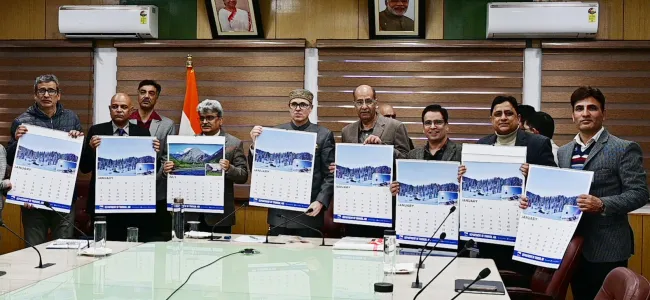
The 2026 tourism calendar, released by the Tourism Department in collaboration with the Jammu & Kashmir Cable Car Corporation, is more than a promotional tool. It functions as a visual policy document, narrating how the administration wants the region to be seen.
Destinations in Focus
The calendar highlights:
- Gulmarg – winter sports, skiing, and Asia’s highest cable car
- Pahalgam – leisure tourism and gateway to the Amarnath Yatra
- Sonamarg – adventure, glaciers, and trekking circuits
- Vaishno Devi – pilgrimage and spiritual tourism
- Ladakh – high-altitude landscapes and experiential travel
By presenting these destinations together, the calendar projects Jammu and Kashmir as a unified tourism ecosystem, cutting across regions and seasons.
Infrastructure Narrative
Equally significant is the emphasis on:
- Ropeways and cable cars
- Improved road connectivity
- Hospitality infrastructure
- Urban amenities in tourist hubs
The imagery reinforces the idea that tourism in J&K is no longer aspirational, but increasingly infrastructure-backed.
Also Read | Jammu, Kashmir & Ladakh: Premium Journeys, Timeless Memories
Tourism Kashmir Website: Going Digital for Global Reach
A cornerstone of the new tourism push is the launch of the Tourism Kashmir website, envisioned as a one-stop digital platform for travellers.
Key Features
- Destination guides and itineraries
- Accommodation and travel information
- Event calendars and seasonal highlights
- Integration with booking and promotional tools
The portal aims to address a long-standing gap: accessibility of reliable, official travel information, especially for first-time and international tourists.
Strategic Importance
In an era where travel decisions are made online, a strong digital presence is critical. The website positions J&K alongside established tourism states that rely heavily on digital storytelling and real-time engagement.
Skiing Courses: Betting Big on Adventure Tourism
Perhaps the most strategic announcement is the introduction of formal skiing courses, with Gulmarg at the centre of the initiative.
Why Skiing Matters
Gulmarg is widely regarded as having:
- World-class powder snow
- One of the highest ski lifts globally
- Terrain suitable for beginners and professionals
Yet, India has historically underutilised its winter sports potential. Structured skiing courses are designed to:
- Attract adventure tourists
- Build local skill ecosystems
- Encourage winter tourism beyond sightseeing
Positioning J&K Globally
With these courses, the administration is attempting to position Jammu and Kashmir alongside international winter destinations, competing with established hubs in Europe and Central Asia, while also challenging domestic rivals like Himachal Pradesh and Uttarakhand.
Strategic Goals Behind the Tourism Push
1. Stronger Tourism Ties
Omar Abdullah emphasised partnerships with:
- National tour operators
- International travel agencies
- Sports and adventure tourism bodies
Such collaborations are essential to scale tourism beyond seasonal peaks.
2. Diversification of Tourism
The 2026 vision consciously moves away from a narrow focus on pilgrimage and leisure, expanding into:
- Adventure tourism (skiing, trekking, rafting)
- Eco-tourism (lakes, forests, wildlife)
- Cultural tourism (crafts, cuisine, festivals)
Diversification reduces vulnerability to seasonal and political disruptions.
3. Employment and Local Economy
Tourism remains one of the largest employment generators in Jammu and Kashmir. Expansion is expected to benefit:
- Hoteliers and transport operators
- Artisans and handicraft workers
- Youth trained as guides, instructors, and service professionals
Opportunities and Challenges: A Balanced Assessment
| Aspect | Opportunity | Challenge |
|---|---|---|
| Adventure tourism | Skiing, trekking, rafting | Safety, rescue readiness |
| Pilgrimage tourism | Vaishno Devi, Amarnath | Crowd management |
| Eco-tourism | Lakes, forests | Environmental stress |
| Cultural tourism | Crafts, cuisine | Global branding |
Also Read | Valentine in Kashmir with JKL Travels: Romantic Shikara Rides, Snow Escapes & Honeymoon Packages
Persistent Risks and Policy Considerations
Security Perception
Despite improved conditions, perception often lags reality. Sustained confidence-building is essential to reassure tourists.
Connectivity Bottlenecks
Reliable air and road connectivity remains crucial for year-round tourism growth, especially during winter.
Sustainability Concerns
Unchecked tourism risks:
- Environmental degradation
- Water stress
- Waste management challenges
Long-term success depends on balancing growth with ecological responsibility.
Tourism as a Narrative Reset
Beyond economics, tourism plays a symbolic role. By foregrounding landscapes, culture, and hospitality, the administration seeks to reframe Jammu and Kashmir’s national and global image.
Omar Abdullah’s tourism initiatives suggest a belief that sustained engagement—rather than episodic promotion—can normalise the region’s place in India’s travel imagination.
Also Read | Valentine in Kashmir: Romantic Shikara Rides, Snow Escapes & Honeymoon Packages
Conclusion: A Calculated Bet on Visibility and Confidence
The unveiling of the 2026 tourism calendar, the Tourism Kashmir website, and the skiing courses represents a calculated bet on visibility, diversification, and confidence-building. The initiatives acknowledge both opportunity and constraint, ambition and caution.
If supported by infrastructure, security stability, and environmental safeguards, this tourism push could become one of Jammu and Kashmir’s most effective pathways to economic resilience and social normalisation.
For a region seeking to redefine itself, tourism is no longer peripheral—it is central to the story Jammu and Kashmir wants the world to see.