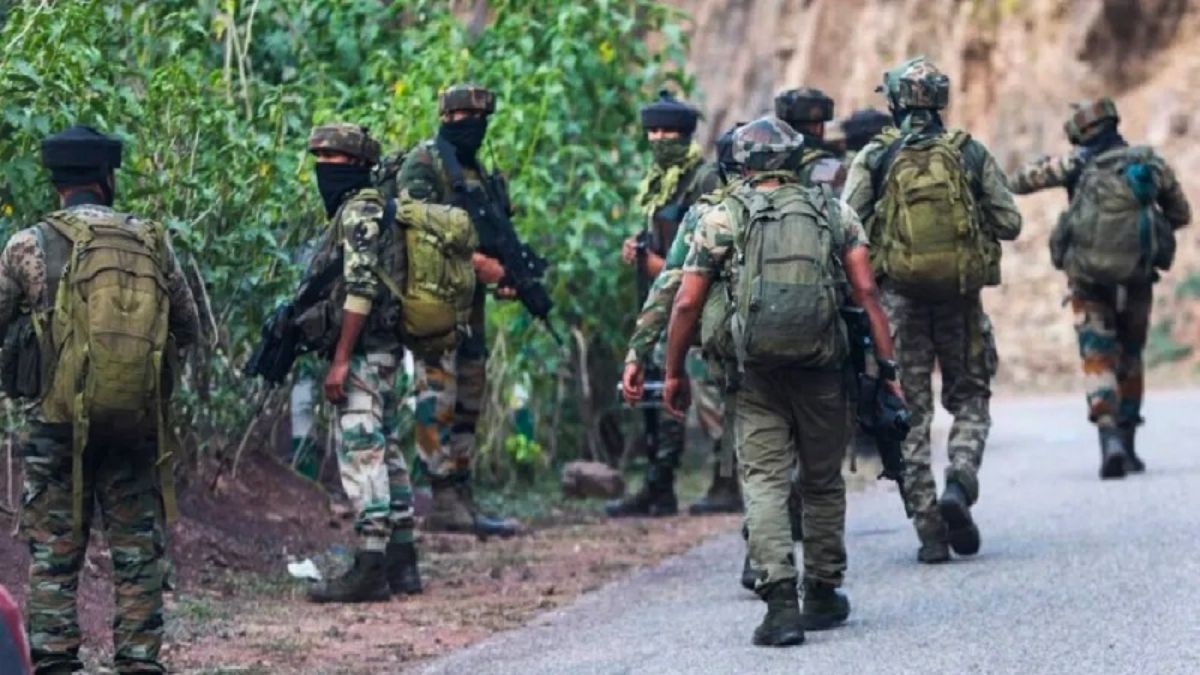
Kishtwar Encounter Operation Trashi-I: Eight Soldiers Injured, One Special Forces Havildar Martyred
By: Javid Amin | 19 January 2026
A Clash in the High Country — Cost, Courage, and Continuity
On January 18–19, 2026, a counter-terrorism operation in the Chatroo belt of Kishtwar district, Jammu & Kashmir, evolved into one of the most serious clashes in the Union Territory this year. The operation, code-named Operation Trashi-I, culminated in a prolonged gunfight between joint security forces and terrorists believed to be affiliated with the Pakistan-based militant group Jaish-e-Mohammad (JeM).
The encounter, unfolding in the remote, forested terrain of Sonnar village and Singpura area northeast of Chatroo, left eight soldiers injured and, tragically, claimed the life of Havildar Gajendra Singh, a seasoned Special Forces commando.
This mega-feature traces the operational details, human impact, security context, tactical challenges, expert perspectives, and broader implications of the Kishtwar encounter — nestled within Jammu & Kashmir’s evolving counter-terror landscape.
The Encounter Unfolds: Timeline and Tactical Engagement
01. Operation Trashi-I — Intelligence to Action
Security forces launched Operation Trashi-I on credible intelligence about the presence of two to three foreign militants hiding in the rugged upper reaches of the Kishtwar district near Sonnar village, part of the dense forest-belt northeast of Chatroo.
These forests, with thick vegetation and steep topography, have long been challenging for security forces. Militants often exploit such terrain for cover, ambushes, and mobility.
02. Sudden Ambush and Intense Firefight
As the joint team — comprising elements of the Indian Army’s White Knight Corps, the Jammu & Kashmir Police, Central Reserve Police Force (CRPF), and supporting units — tightened a cordon and advanced toward suspected hideouts, militants initiated a sudden and heavy ambush.
According to official statements:
-
Militants hurled grenades and opened sustained AK-47 fire from elevated positions.
-
The explosion of grenades caused splinter injuries to multiple soldiers.
-
The firefight persisted intermittently for hours, with intermittent bursts of small arms fire.
The intensity of the encounter posed significant tactical challenges. Thick vegetation, reduced visibility, and uneven terrain limited movement and increased the risk for advancing troops.
03. Casualties and Evacuation
Eight Indian Army personnel sustained injuries in the engagement. Many suffered splinter wounds from grenade blasts, while others received gunshot or related combat injuries.
Despite prompt medical evacuation and initial treatment at field facilities, one of the gravely wounded soldiers, Havildar Gajendra Singh of the Special Forces, could not be saved and succumbed to his injuries during treatment at a military hospital in Udhampur.
His sacrifice drew tributes from the General Officer Commanding (GOC) of the White Knight Corps, senior officers, and defence circles.
Havildar Gajendra Singh: A Profile of Sacrifice
01. The Soldier and the Sacrifice
Havildar Gajendra Singh, serving with the Indian Army’s Special Forces, was among the first injured during the encounter. Despite receiving immediate care, his injuries proved critical. He later passed away as a result of these wounds.
Recognised for his indomitable courage, valor, and devotion to duty, Singh’s passing is mourned across military and civil spheres. The White Knight Corps issued a formal tribute on social media, emphasising his supreme sacrifice during the relentless execution of counter-terrorism tasks.
The loss reminds observers that even in an era of advanced technologies and precision planning, the human cost of counter-terror operations remains profound.
The Terrorist Threat: JeM and Infiltration Patterns
01. Suspected JeM Involvement
Officials have indicated that the militants encountered during Operation Trashi-I were suspected to be affiliated with Jaish-e-Mohammad (JeM), a Pakistan-based terrorist organisation notorious for cross-border operations and attacks in Jammu & Kashmir.
These militants are believed to have been hiding in the forested belt for months, suggesting a prolonged presence and tactical patience — consistent with past infiltration patterns.
02. Geographic and Logistic Realities
Kishtwar’s forested hills and proximity to traditional infiltration corridors — linking Pakistan, Kathua, Udhampur, Doda, and central Kashmir — make it strategically significant. Research and security analyses note that such corridors have periodically been used by militants to evade detection and move across regions.
Operational Response: Reinforcements and Technology
01. Joint Force Deployment
In response to escalating hostilities, reinforcements from:
-
Indian Army (White Knight Corps)
-
Central Reserve Police Force (CRPF)
-
Jammu & Kashmir Police
were deployed to tighten the cordon, plug escape routes, and prevent militant breakouts through open forest belts.
This joint coordination between professional agencies is critical for sustained counter-terror engagement in terrain that favours insurgents.
02. Use of Drones, Sniffer Dogs, and Advanced Surveillance
Acknowledging the challenges posed by dense forests, security forces deployed:
-
Unmanned Aerial Vehicles (drones) for aerial surveillance
-
Sniffer dogs for tracking movement and detecting hidden caches
-
Ground liaison teams for coordinated action
These technologies enhance operational efficacy, reduce risks to personnel, and help in mapping militant hideouts.
The Human Toll: Soldiers, Families, and The Nation
01. Infantry Injuries and Recoveries
The eight soldiers injured in the engagement were evacuated swiftly and given immediate medical aid. Many were stabilised and moved to higher-care military hospitals. Reports indicate that, outside of the late Havildar Singh, other injured personnel were in stable condition after treatment.
The nature of the injuries — mostly splinter and grenade blast-related — reflects the inherent danger faced by troops during such high-intensity engagements.
02. Mourning a Martyr
The loss of Havildar Gajendra Singh reverberated beyond the battlefield. Tributes poured in from senior defence leadership, including the Chief of Army Staff (COAS), recognising his valour and the ultimate sacrifice made in the line of duty.
Families, fellow soldiers, and citizens alike joined in honouring his service.
Why Kishtwar Matters: Strategic and Tactical Significance
01. A Persistent Counter-Terror Theatre
The Kishtwar district, especially its upper forested belts like Chatroo and Singpura, has witnessed multiple counter-terror operations over recent years. It has emerged as a significant militant theatre within the broader Jammu region.
This is attributed to:
-
Difficult terrain advantageous to guerrilla tactics
-
Proximity to infiltration routes
-
Dense vegetation that challenges ground operations
The encounter during Operation Trashi-I illustrates how militant networks continue to test security responses despite sustained pressure.
02. Intensified Filtering and Security Imperatives
In the lead-up to the encounter, intelligence assessments suggested renewed infiltration attempts by Pakistan-linked handlers — particularly ahead of symbolic national dates like Republic Day.
For security forces, maintaining vigilance and proactive engagement is crucial to pre-empt threats and dismantle militant infrastructure.
Encounters in Context: Trends in Jammu Region Security
01. A Pattern of Encounters in Early 2026
Operation Trashi-I marks at least the third significant gunfight in the Jammu region in January 2026 alone, following skirmishes in the Kahog and Najote forests of Kathua’s Billawar area earlier in the month.
These recurrent engagements signal:
-
Persistent militant persistence
-
A need for sustained security presence
-
Exceptional resilience by joint forces in remote zones
02. Counter-Terror Strategy Dynamics
Security analysts note that contemporary counter-terror operations in J&K increasingly combine:
-
Precision intelligence
-
Multi-agency cooperation
-
Real-time surveillance
-
Rapid reinforcement capabilities
This dynamic underscores not only the complexity of the battlefield but also the evolving methodology of Indian security forces responding to asymmetrical threats.
Civilian Safety and Local Administration
01. Minimising Collateral Impact
Operations in inhabited or transition zones always entail risks for civilians. Though the Chatroo and Singpura areas are sparsely populated, coordination with civil administration remains key to ensuring communities are safeguarded and normal life minimally disrupted.
Local officials have worked in tandem with military and police units to:
-
Restrict access to encounter zones
-
Guide evacuations where necessary
-
Communicate safety instructions to villagers
Psychological and Strategic Implications
01. Soldier Morale
The injury and martyrdom of troops, even as operational success continues, highlights the mental and emotional pressures under which security personnel serve — particularly in rugged and unpredictable theatres like Kishtwar.
Acknowledgement from senior leadership and institutional care for injured personnel’s families are steps toward sustaining morale and institutional trust.
02. Messaging and National Unity
Such encounters often reverberate across media and public discourse, reinforcing:
-
The cost of national security
-
The professionalism of security agencies
-
The unpredictability of asymmetric warfare
In this context, clear communication from defence leadership helps anchor narratives in patriotism and collective responsibility.
What Lies Ahead: Continued Operations and Counter-Militancy Priorities
Operation Trashi-I remains ongoing, with the cordon tightened and search operations expanded as security forces attempt to locate and neutralise the remaining militants believed to be holed up in dense forests.
Reinforcements, aerial surveillance, and multi-agency tasking are likely to continue until the threat is fully subdued.
Conclusion: Courage Under Fire in Kishtwar’s Forests
The events in Kishtwar — eight soldiers wounded, one soldier martyred, a high-octane gunfight with suspected Jaish-e-Mohammad militants, and an ongoing multi-day operation — encapsulate the complex dynamics of counter-terrorism in Jammu & Kashmir.
Beyond the tactical engagements, this encounter reminds us of:
-
The human cost of security operations
-
The tactical ingenuity of militants exploiting terrain
-
The resilience of Indian security institutions
-
The necessity of intelligence-driven, collaborative responses
As Operation Trashi-I continues its course, the sacrifices and professional resolve demonstrated by soldiers like Havildar Gajendra Singh will become part of the enduring narrative of service, duty, and national security.
His story — and those of his fellow soldiers — stands as a testament to the fragile peace and persistent challenges that define Jammu & Kashmir’s security landscape in 2026.


