Iran Issues Stark Warning to Trump Over Khamenei as US–Iran Tensions Escalate
By: Javid Amin |20 January 2026
A Warning Meant to Deter, Not Negotiate
Iran’s leadership has issued one of its harshest warnings in years to the United States, cautioning that any attempt to harm Supreme Leader Ayatollah Ali Khamenei would provoke overwhelming retaliation. The message, directed squarely at U.S. President Donald Trump, reflects the depth of mistrust and hostility defining current U.S.–Iran relations.
While some of the rhetoric—phrases such as “we will burn your world”—has circulated in Iranian political discourse and affiliated media, officials insist the warning is deterrent in nature, not a declaration of imminent war.
The exchange comes amid:
-
Iran’s most serious internal unrest in years
-
Intensifying U.S. economic and diplomatic pressure
-
Growing fears of a broader regional confrontation
What Triggered Iran’s Warning
Trump’s Remarks on Iran’s Leadership
The immediate trigger was President Trump’s recent comment that it was “time to look for new leadership in Iran,” a statement interpreted in Tehran as explicit regime-change signaling.
Although Trump did not outline specific actions, Iranian officials view such language through the lens of history:
-
The 1953 overthrow of Iran’s elected government
-
Decades of sanctions and covert pressure
-
The 2020 U.S. killing of General Qassem Soleimani
From Tehran’s perspective, words about leadership change are never neutral.
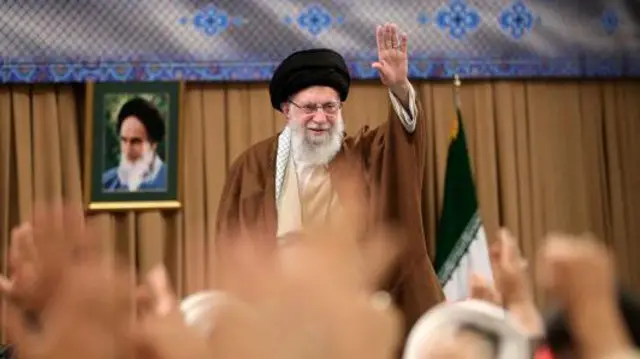
Iran’s Message: The Supreme Leader Is a Red Line
Iran’s response was swift and unusually direct.
Senior officials, including President Masoud Pezeshkian, warned that:
-
The Supreme Leader’s safety is inseparable from Iran’s sovereignty
-
Any attack would be treated as an attack on the Iranian nation
-
Retaliation would not be symbolic or limited
Iran’s political system places the Supreme Leader at its core:
-
Commander-in-chief of the armed forces
-
Ultimate authority over foreign and security policy
-
Religious figurehead for the Islamic Republic
As a result, threats against Ayatollah Khamenei are interpreted as existential threats to the state itself.
Understanding the Language: Rhetoric vs. Reality
Phrases such as “we will burn your world” are not operational military statements, according to analysts. Instead, they serve three key purposes:
1. Strategic Deterrence
Iran seeks to raise the perceived cost of any U.S. action, signaling that escalation would not remain contained.
2. Domestic Messaging
Strong language reassures supporters during a period of internal unrest, projecting resilience rather than vulnerability.
3. International Signaling
The warning is aimed not only at Washington, but also at:
-
Israel
-
Gulf states
-
U.S. allies considering cooperation against Iran
Historically, Iran has relied on calculated escalation—strong rhetoric paired with calibrated actions—to avoid direct war while maintaining leverage.
Backdrop: Iran’s Deepening Internal Crisis
The warning comes as Iran grapples with:
-
Nationwide protests since late December 2025
-
Severe inflation and currency collapse
-
Allegations of a deadly crackdown and mass arrests
-
Widespread internet shutdowns
Iranian officials argue that:
-
Sanctions have crippled the economy
-
External pressure has intensified social unrest
-
The unrest is being exploited by foreign adversaries
Independent analysts note that while sanctions have played a major role, structural governance failures have also contributed significantly to public anger.
Sanctions, Tariffs, and Economic Warfare
Trump’s administration has recently escalated pressure by:
-
Threatening new sanctions
-
Announcing a proposed 25% tariff on countries trading with Iran
-
Warning allies against economic engagement with Tehran
Iran describes these measures as:
-
“Economic warfare”
-
Collective punishment of civilians
-
A deliberate attempt to force regime change
The leadership’s warning must be read in this context: Iran sees pressure as cumulative, not isolated.
Why Iran Fears Regime-Change Rhetoric
Iran’s sensitivity is rooted in experience.
From Tehran’s viewpoint:
-
Regime-change language precedes action
-
Assassinations and covert operations are plausible
-
Leadership decapitation is a strategic threat
The killing of Soleimani remains a defining trauma, reinforcing Iran’s belief that no senior figure is immune.
Thus, the warning is designed to eliminate ambiguity: any such move would cross a line from pressure into war.
Regional and Global Implications
Middle East Stability
-
Any direct conflict could draw in Israel, Hezbollah, Gulf states, and U.S. forces.
-
The risk of miscalculation is high.
Energy Security
-
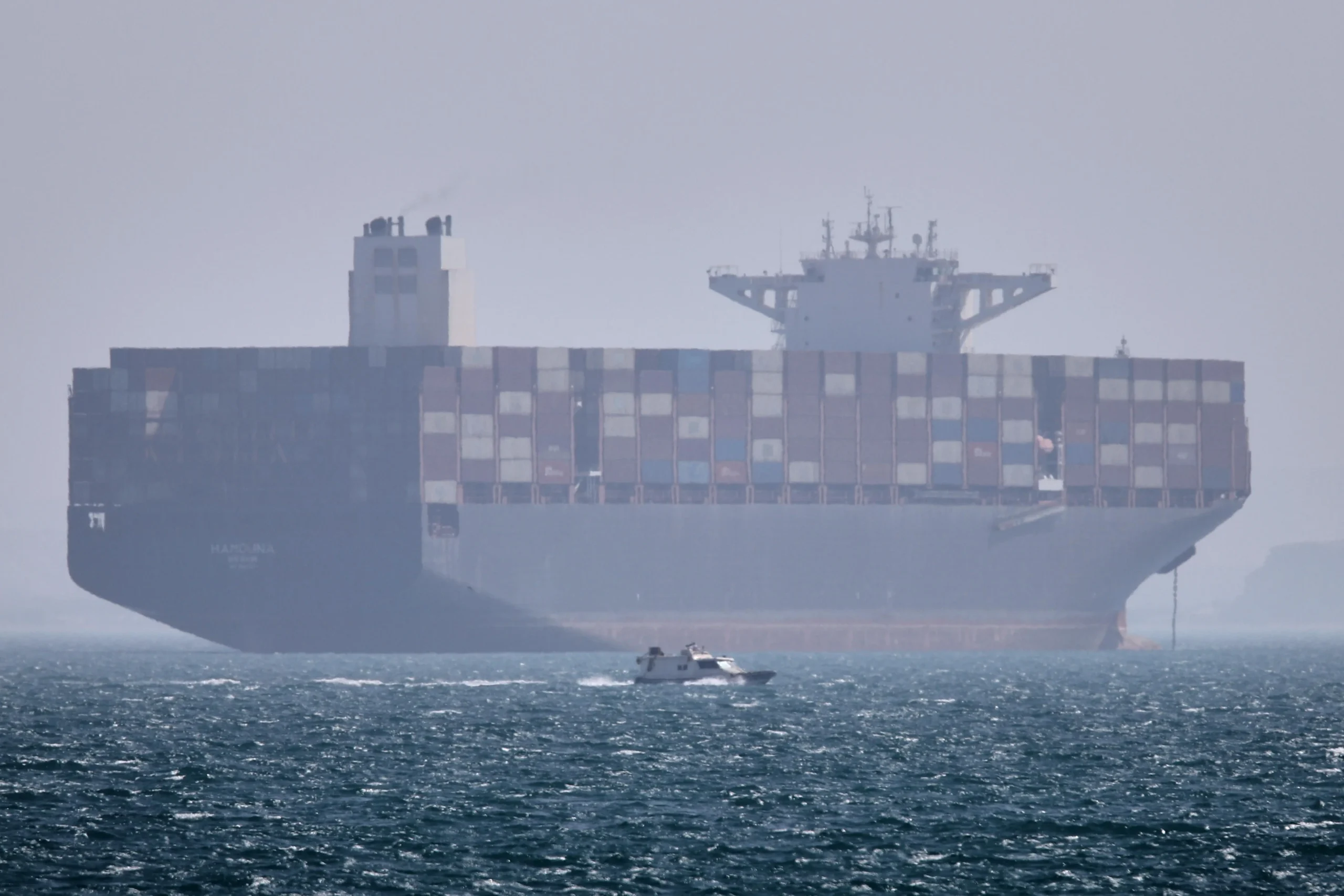
Iran controls access to the Strait of Hormuz.
-
Even limited conflict could disrupt global oil supplies.
Global Diplomacy
-
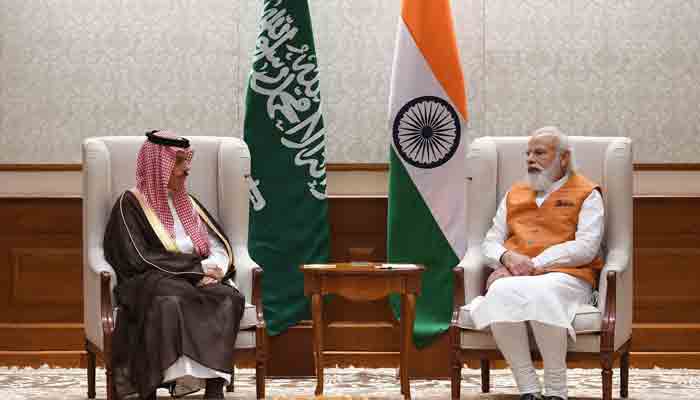
Countries like India, China, and EU states are caught between sanctions compliance and strategic interests.
-
Calls for restraint are increasing, but leverage is limited.
Is War Imminent?
Despite the rhetoric, most analysts assess that:
-
Neither side currently seeks full-scale war
-
The costs are understood to be catastrophic
-
Communication channels, though indirect, remain open
However, the margin for error is shrinking. Strong words increase the risk that:
-
Misinterpretation leads to escalation
-
Proxy conflicts spiral out of control
-
Domestic pressures push leaders into hardline positions
Key Takeaways
-
Iran has issued an explicit warning tying its Supreme Leader’s safety to national survival.
-
Trump’s leadership-change remarks have sharply escalated tensions.
-
The rhetoric is intended as deterrence, not an immediate threat.
-
Iran’s warning reflects both external pressure and internal instability.
-
The situation remains volatile, with global consequences if mismanaged.
Conclusion: A Crisis Defined by Red Lines
Iran’s warning to President Trump marks a moment where rhetoric itself becomes a strategic weapon. By drawing a clear red line around Ayatollah Khamenei, Tehran has sought to deter any thought of leadership targeting while reinforcing unity at home.
For Washington, the challenge lies in balancing pressure without triggering escalation. For the world, the concern is that words spoken for deterrence do not become catalysts for disaster.
As history has shown, U.S.–Iran confrontations rarely begin with intentions of war—but often drift dangerously close to it.