Gusty Winds Sweep Through Jammu & Kashmir, Damage Homes and Power Lines; Orange Alert Issued
By: Javid Amin | 22 January 2026
Western Disturbance Triggers Property Damage, Power Outages, and Safety Concerns Across North and Central Kashmir
Developing Situation: Strong Winds Expand Impact Zone Across J&K
As the weather system intensified overnight, gusty winds continued to sweep across multiple districts of Jammu & Kashmir on January 22–23, 2026, expanding the scale of damage beyond initially affected villages.
Fresh ground inputs indicate that parts of Baramulla, Kupwara, and Budgam districts witnessed strong wind gusts, resulting in additional reports of:
-
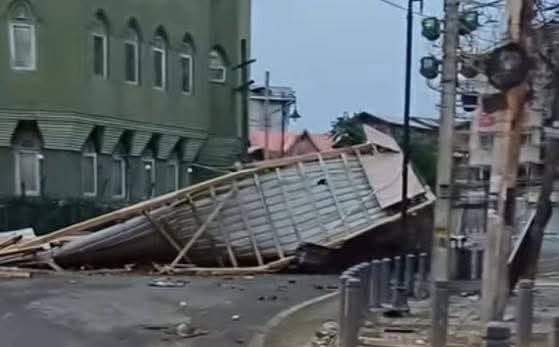
Tin roofs being blown off homes
-
Boundary and compound walls collapsing
-
Trees uprooted and debris scattered across roads
-
Power transmission lines snapping, triggering outages
The unfolding situation prompted the India Meteorological Department (IMD) to issue an orange alert, warning of continued gusty winds, rainfall in plains, and snowfall in higher reaches under the influence of a strong Western Disturbance.
Expanded Ground Impact: Damage Across Multiple Districts
Residential Property Damage
In both rural and semi-urban pockets:
-
Lightweight tin roofs were the most vulnerable, with several homes partially or fully exposed
-
Weak masonry and boundary walls collapsed under sustained wind pressure
-
Household items were damaged or scattered due to sudden structural failure
Residents in vulnerable localities reported panic-driven evacuations, with families stepping out of homes amid fears of further collapse.
Infrastructure and Public Assets
The windstorm also affected public infrastructure, including:
-
Overhead electricity lines
-
Local government structures and sheds
-
Roadside installations and signboards
Fallen trees and debris slowed vehicular movement on several internal roads, adding to transport disruptions already caused by snowfall in higher elevations.
Power Supply Disrupted Amid Winter Stress
One of the most immediate consequences has been the disruption of electricity supply:
-
Transmission lines were damaged in several areas
-
Rural and semi-urban localities faced prolonged outages
-
Restoration efforts were slowed by adverse weather and accessibility issues
The outages come at a time when Kashmir is already grappling with seasonal power shortages, compounding the impact on heating, water supply, and communications.
Weather Context: Western Disturbance Behind Multiple Hazards
Meteorologists confirm that the gusty winds are part of the same Western Disturbance system responsible for:
-
Heavy snowfall in upper reaches such as Gulmarg
-
Rain and sleet in lower areas
-
Rapid pressure changes leading to strong surface winds
While Western Disturbances are common in winter, officials note that wind intensity of this nature is relatively uncommon for January, increasing the risk profile for poorly reinforced structures.
Villages at the Epicentre of Damage
Ground reports from local administrations and residents confirm that the worst damage was concentrated in rural pockets, where housing structures are often lightweight and vulnerable.
Affected Areas
The villages most impacted include:
-
Gulab Daji
-
Bernar
-
Malwah
-
Obera
-
Kharpora
In these settlements, dozens of homes reportedly suffered partial or severe damage. Tin roofing sheets were peeled away like paper, while mud-brick and poorly reinforced masonry walls collapsed under sustained wind pressure.
Residents described scenes of flying debris, collapsing sheds, and dust-filled air, with power lines swaying dangerously close to rooftops.
Orange Alert Issued: What It Means
The orange alert issued by the Meteorological Department signals:
-
A high likelihood of disruptive weather conditions
-
Potential for further damage to property and infrastructure
-
Elevated risk to power supply, transport, and daily life
Authorities have urged heightened caution, especially in:
-
Wind-exposed rural settlements
-
Areas with aging power infrastructure
-
Localities already affected by snowfall or rainfall
Risks Ahead: Why Authorities Are Concerned
Immediate Risks
-
Further roof and wall collapses if winds intensify
-
Extended electricity outages amid freezing temperatures
-
Road blockages due to fallen trees and debris
Secondary Risks
-
Health risks from cold exposure, especially for the elderly and children
-
Delayed emergency response in remote areas
-
Economic stress from repair costs and disrupted livelihoods
Public Advisory: Safety Measures for Residents
Authorities and disaster-management officials have advised residents to:
-
Remain indoors during peak wind activity
-
Secure tin roofs, doors, and loose structures using temporary reinforcements
-
Avoid unnecessary travel, particularly on tree-lined or narrow roads
-
Keep emergency supplies ready, including blankets, candles, food, and basic medicines
-
Stay updated through official weather bulletins and district advisories
Editorial Note: A Multi-Hazard Winter Unfolding
The convergence of gusty winds, snowfall, rain, and power disruptions over a short span highlights the multi-hazard nature of Kashmir’s winter weather. What begins as snowfall in higher reaches can quickly translate into wind damage and infrastructure stress in the plains.
This episode reinforces the need for:
-
Stronger early-warning dissemination at the local level
-
Wind-resilient rural housing solutions
-
Faster, weather-resilient power restoration systems
Updated Conclusion: Weather Volatility on the Rise
The January 22–23 windstorm has expanded from isolated village damage into a broader weather-driven disruption across Jammu & Kashmir. With an orange alert in force and further disturbances forecast, authorities and residents alike are bracing for continued volatility.
As winter deepens, the challenge for the region will be not just enduring the weather, but adapting to its increasing unpredictability.


