Mob Attack on Kashmiri Shawl Seller in Uttarakhand Sparks Outrage, Omar Abdullah Seeks Action
By: Javid Amin | 29 January 2026
Livelihood Turned Into Liability
For decades, Kashmiri shawl sellers have travelled across India, carrying with them not only merchandise but a centuries-old tradition of craftsmanship and commerce. In towns and cities far from the Valley, their presence has long symbolized economic resilience and cultural exchange.
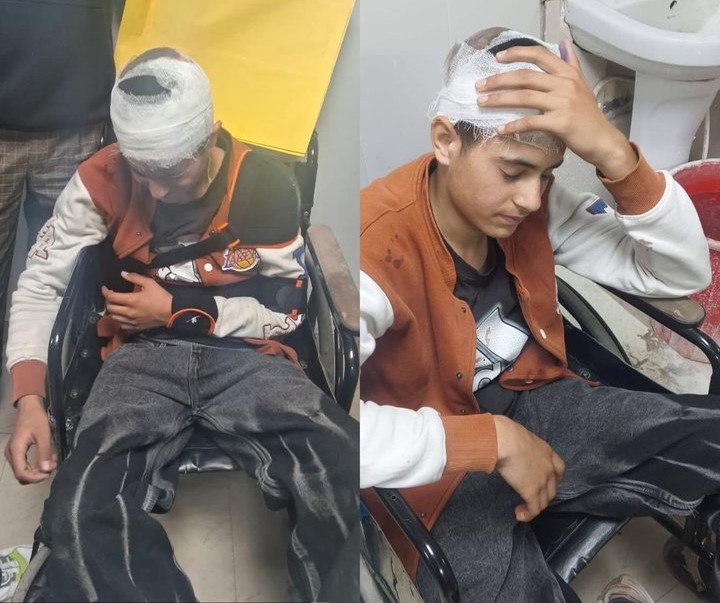
That fragile sense of safety was shattered once again in Uttarakhand’s Dehradun district, where a teenage Kashmiri shawl seller was brutally assaulted by a mob, allegedly targeted for his religious and regional identity. The attack has left him critically injured, triggered political intervention at the highest regional level, and reopened uncomfortable questions about the safety of Kashmiris working outside their home state.
This was not an isolated scuffle. It was a violent reminder of a pattern that many Kashmiri families fear but feel powerless to confront.
What Happened in Dehradun
According to police and hospital records, the incident occurred in the Vikas Nagar area of Dehradun, where Tabish Ahmed, aged 17–18 years, was selling shawls along with his cousin.
What began as routine questioning allegedly escalated rapidly after locals learned that the young men were Kashmiri Muslims.
Sequence of Events
-
The victims were questioned about their identity
-
Communal slurs were allegedly used
-
A group assaulted them with iron rods and sticks
-
Locals intervened only after severe injuries were inflicted
Tabish collapsed on the spot and was rushed to Doon Hospital, where doctors confirmed multiple fractures and serious head injuries.
Medical Condition: Fighting for Recovery
Hospital sources at Doon Hospital confirmed that the young victim sustained:
-
Serious head injuries
-
Multiple bone fractures
-
At least 11 stitches
-
Trauma-related complications
He remains under close medical observation, while his cousin sustained minor injuries and is reported to be out of danger.
Doctors have described Tabish’s condition as critical but stable, noting that head injuries of this nature require prolonged monitoring.
Immediate Police Action
Following the assault, Uttarakhand Police registered an FIR and launched an investigation.
Law Enforcement Response
-
Prime accused arrested
-
Investigation underway to identify other assailants
-
Role of nearby shopkeepers and bystanders under scrutiny
Police officials have stated that strict action will be taken against all those involved, and that the case is being treated seriously due to its communal overtones.
Political Intervention: Omar Abdullah Steps In
The attack drew swift political attention in Jammu and Kashmir.
National Conference leader Omar Abdullah personally spoke to the Uttarakhand Chief Minister, urging:
-
Immediate and strict legal action
-
Safety guarantees for Kashmiri traders
-
Accountability for identity-based violence
Omar Abdullah’s intervention underscored the gravity of the incident and reflected growing concern within Kashmir’s political leadership over repeated attacks on Kashmiris outside the Valley.
JK Students Association Condemns Assault
The Jammu and Kashmir Students Association (JKSA) issued a strong statement condemning the attack, calling it a targeted hate crime.
Key Demands by JKSA
-
Enhanced protection for Kashmiri traders and students
-
Monitoring of vulnerable areas where Kashmiris work
-
Zero tolerance for communal targeting
The association warned that such incidents create fear and isolation among Kashmiri youth pursuing education or livelihoods outside the state.
A Familiar and Disturbing Pattern
The Dehradun attack has reopened memories of earlier incidents across India where Kashmiri traders and students were targeted.
Recurring Hotspots Reported Over the Years
-
Uttarakhand
-
Rajasthan
-
Himachal Pradesh
-
Parts of Uttar Pradesh
In many cases, victims report:
-
Being questioned about identity
-
Facing communal slurs
-
Physical intimidation or assault
-
Delayed intervention by authorities
While each case differs in detail, the common thread remains identity-based hostility.
Why Kashmiri Traders Are Particularly Vulnerable
Economic Migration
Many Kashmiri families depend on seasonal trade—shawls, dry fruits, handicrafts—forcing young men to travel long distances for months at a time.
Social Isolation
Living far from home, often in rented spaces or temporary accommodations, they lack local support networks.
Stereotyping and Suspicion
Kashmir’s political history has made ordinary Kashmiris vulnerable to suspicion, despite having no connection to violence or militancy.
Lack of Institutional Safeguards
There is no dedicated national mechanism ensuring the safety of Kashmiri migrant traders.
The Psychological Toll on Families Back Home
Each such incident reverberates far beyond the place of attack.
In Kashmir:
-
Parents fear sending children outside
-
Families rethink education and livelihood plans
-
Economic stress deepens as mobility shrinks
For communities already living with uncertainty, these attacks add another layer of anxiety.
Local Reaction in Dehradun
The incident triggered:
-
Public outrage
-
Calls for accountability
-
Demands for better policing in vulnerable areas
Civil society voices in Uttarakhand have also urged authorities to ensure that outsiders are not targeted and that communal harmony is preserved.
Is This Hate Crime? The Legal Question
While police investigations are ongoing, rights groups argue that:
-
The alleged use of communal slurs
-
Targeting based on identity
-
Group assault dynamics
…strongly point toward hate-motivated violence.
Legal experts stress that recognizing the motive is essential to ensure:
-
Appropriate charges
-
Deterrent punishment
-
Institutional accountability
India’s Constitutional Promise at Stake
At its core, this incident raises a fundamental question:
Can citizens safely earn a livelihood anywhere in their own country without fear of being targeted for who they are?
For Kashmiris, this question is not abstract—it is lived reality.
India’s constitutional promise of equality, dignity, and freedom of movement rings hollow when identity itself becomes a trigger for violence.
What Happens Next
Ongoing Developments
-
Medical treatment continues at Doon Hospital
-
Police investigation into wider involvement
-
Political follow-up on safety assurances
Key Demands Going Forward
-
Swift completion of investigation
-
Public disclosure of findings
-
Preventive security measures for Kashmiri traders
The Larger Question: One Incident or Systemic Failure?
This is not just about one young shawl seller.
It is about:
-
Structural vulnerability
-
Normalization of suspicion
-
Failure to protect mobile minorities
-
Erosion of trust in public safety
Unless addressed systematically, such incidents will continue to surface—each time shocking, yet grimly familiar.
The Way Forward: From Condemnation to Protection
What Authorities Must Do
-
Ensure swift and visible justice
-
Map vulnerable trader zones
-
Coordinate between states
-
Publicly counter hate narratives
What Society Must Confront
-
The dangers of stereotyping
-
The cost of silence
-
The moral failure of bystander apathy
Recent Attacks on Kashmiris
1. Brutal Assault on Kashmiri Shawl Seller in Uttarakhand (January 2026)
In late January 2026, two young Kashmiri shawl sellers were violently attacked in Vikas Nagar, Dehradun, Uttarakhand, allegedly after being questioned about their religion and origin. One youth, identified as Tabish Ahmed (17–18 years), suffered multiple fractures and serious head injuries after being beaten with iron rods and sticks, while his cousin sustained minor injuries during the assault. Witnesses and community representatives said the attackers hurled communal slurs after learning they were Muslim and from Kashmir. The incident sparked local protests and communal tension. Police registered an FIR, and the prime accused was arrested, following intervention from the Jammu and Kashmir Students Association and political leaders advocating strict action.
2. Kashmiri Shawl Vendor Assaulted and Robbed in Uttarakhand (December 2025)
On 25 December 2025, a Kashmiri shawl vendor in Kashipur, Udham Singh Nagar district (Uttarakhand) was reportedly assaulted, robbed, and threatened with expulsion by members of a local group identified as Bajrang Dal activists. The victim, Bilal Ahmed Ganie from Kupwara, was reportedly beaten, had his merchandise looted, and was told to leave the state. The Jammu and Kashmir Students Association condemned the attack and highlighted its impact on the livelihood and safety of Kashmiri traders operating seasonally in the region. The report indicated local police had been approached, but an FIR had not been immediately registered at the time, raising concerns about response delays.
3. Harassment of Kashmiri Shawl Sellers in Himachal Pradesh (December 2025)
In another incident late in 2025, a group of Kashmiri shawl sellers in Himachal Pradesh’s Solan district were verbally abused, threatened, and nearly assaulted by a group telling them to “go to Pakistan.” Though the situation was reported as being defused before physical violence escalated, community leaders described it as part of a wider pattern of intimidation of seasonal Kashmiris doing business in hill states, with repeated incidents contributing to fear among traders.
Context: Wider Backdrop of Tension (2025)
4. Aftermath of the Pahalgam Terror Attack (April 2025)
While not an attack on Kashmiris specifically outside the Valley, the 22 April 2025 terrorist massacre in Pahalgam that killed 26 tourists triggered a wave of communal tensions and anxiety for Kashmiris living elsewhere in India, with multiple reports of harassment and threats directed at Kashmiri students in several states in its wake. Leaders urged authorities to ensure safety and take “extra care” of Kashmiri students facing hostility.
Why These Incidents Matter
Collectively, these reports highlight a pattern where Kashmiri traders and youths working or studying outside the Valley have faced physical assault, verbal abuse, threats, and social exclusion in multiple northern Indian states. Victims and community advocates have linked some incidents to religious and regional identity, generating anxiety among families in Kashmir and calls for stronger protection and legal safeguards.
Conclusion: A Test Beyond Law and Order
As Tabish Ahmed lies injured in a hospital bed far from home, the nation is confronted with a test—not just of policing, but of conscience.
Protecting Kashmiri traders outside the Valley is not a favor. It is a constitutional obligation. Each failure chips away at the idea of India as a shared civic space where identity does not determine safety.
Justice in this case will matter—but preventing the next one will matter even more.