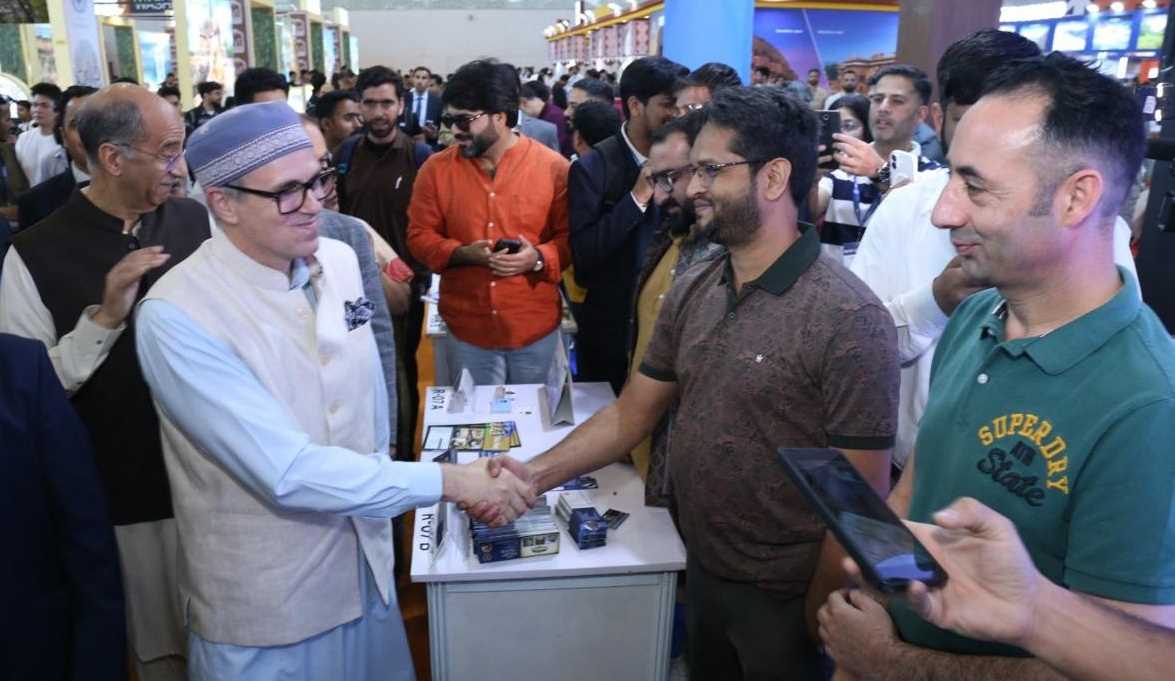
SATTE 2026: Omar Abdullah Rebrands Jammu & Kashmir as India’s Premier All-Season Tourism Powerhouse
By: Javid Amin | 27 February 2026
“Terrorism Is Over, It’s Time for Tourism in J&K”
At South Asia Travel and Tourism Exchange (SATTE) 2026, Jammu & Kashmir Chief Minister Omar Abdullah delivered what may become one of the most defining tourism pitches in the region’s modern history.
Standing before global tour operators, hospitality brands, investors, and travel media, he reframed the narrative around Jammu and Kashmir with a direct, declarative line:
“Terrorism is over. It’s time for tourism in J&K.”
But this was not merely rhetorical repositioning. It was a structured, policy-backed, investor-facing tourism strategy designed to reposition J&K as a premier all-season destination — not just a seasonal hill escape.
This article breaks down:
-
The strategic significance of the SATTE 2026 pitch
-
The economic and geopolitical messaging
-
The “all-season destination” positioning
-
The sustainability and investor roadmap
-
A fully developed global campaign concept
-
Market implications for 2026–2030
Why SATTE 2026 Was the Right Global Stage
SATTE is South Asia’s largest travel trade exhibition, bringing together:
-
International tour operators
-
Aviation partners
-
Hotel chains
-
Destination marketers
-
Government tourism boards
By choosing SATTE 2026 as the platform, Omar Abdullah targeted B2B tourism ecosystems, not just domestic tourists.
The pitch was deliberate:
-
Restore investor confidence
-
Signal long-term stability
-
Invite capital into tourism infrastructure
-
Reshape international perception
This is destination diplomacy through tourism economics.
From Conflict Narrative to Culture Narrative
For decades, external perception of J&K was shaped by security headlines. Omar Abdullah’s address marked a strategic pivot:
Narrative Reset:
Conflict → Culture
Uncertainty → Opportunity
Seasonal Tourism → Year-Round Tourism Economy
He emphasized that J&K’s tourism strategy is not merely about chasing international footfall numbers, but about:
-
Sustainable growth
-
Cultural preservation
-
Local employment generation
-
Infrastructure modernization
-
Ecological responsibility
This nuance is important. Mature tourism markets prioritize quality of tourism over volume.
Also Read | Valentine’s Day, Honeymoon & Anniversary Escapes in Kashmir and Ladakh (2026)
Positioning J&K as an All-Season Destination
Traditionally, Kashmir tourism was heavily summer-centric, with winter limited to niche snow tourism in Gulmarg.
The 2026 strategy reframes the region as a 365-day experience economy.
❄ Winter: Snow, Skiing & Alpine Sports
Gulmarg has emerged as one of Asia’s prominent ski destinations.
Key winter assets:
-
Powder snow skiing
-
Gondola access to high-altitude slopes
-
Snow treks in Sonmarg
-
Winter festivals
Winter tourism attracts high-spend adventure travelers.
🌷 Spring: Tulip Festival & Mughal Heritage
Spring tourism revolves around the Indira Gandhi Memorial Tulip Festival hosted at the Indira Gandhi Memorial Tulip Garden.
Spring Assets:
-
Tulip bloom
-
Mughal Gardens
-
Almond blossom trails
-
Shikara rides on Dal Lake
Spring is now a high-growth segment, especially among couples and short-haul domestic travelers.
Also Read | Romance in Motion: Valentine, Honeymoon & Anniversary Escapes in Kashmir & Ladakh
☀ Summer: High-Altitude Escapes & Adventure
Summer opens access to:
-
River rafting in Pahalgam
-
Trekking circuits
-
Alpine meadows
-
Cultural tourism in Jammu
-
High-altitude exploration in Ladakh
Summer tourism remains the largest revenue contributor.
🍁 Autumn: Golden Chinars & Cultural Walks
Autumn is under-leveraged but visually spectacular:
-
Chinar leaves turn gold in Srinagar
-
Heritage walks
-
Craft village tourism
-
Sufi shrine circuits
Autumn tourism offers photography and slow-travel appeal.
Strategic Tourism Implications (2026–2030)
1. Economic Diversification
Tourism reduces dependence on:
-
Agriculture
-
Public sector employment
It stimulates:
-
Hospitality jobs
-
Taxi unions
-
Artisans
-
Food supply chains
-
Construction
-
Event management
Tourism has a multiplier effect of 1.7–2.5x in regional economies.
2. Investor Confidence Building
Omar Abdullah’s pitch openly courted:
-
Hotel chains
-
Eco-resort developers
-
Adventure tourism operators
-
Wellness brands
-
Boutique hospitality investors
Investment focus zones:
-
Gulmarg
-
Pahalgam
-
Sonmarg
-
Peripheral areas around Srinagar
3. Sustainable Tourism Framework
He emphasized that growth must align with:
-
Environmental safeguards
-
Dal Lake preservation
-
Controlled alpine construction
-
Waste management
-
Community integration
Modern global tourists increasingly prioritize sustainability.
Also Read | Pocket-Friendly Kashmir Fix Departure – 06 Days of Paradise (Jammu – Jammu) at Just Rs. 13,500.00
Investor Pitch Angles
1. Eco-Tourism
Opportunity:
-
Sustainable mountain lodges
-
Solar-powered resorts
-
River-view eco-cabins
Demand Trend:
Conscious luxury travelers.
2. Adventure Tourism
-
Ski infrastructure upgrades
-
International ski championships
-
Certified trekking circuits
-
Paragliding zones
High-margin segment.
3. Cultural Tourism
-
Sufi heritage circuits
-
Craft workshops
-
Culinary trails
-
Folk music festivals
Experience-driven tourism is growing globally.
4. Luxury & Wellness Tourism
-
Boutique houseboats
-
Spa resorts
-
Yoga retreats
-
High-end honeymoon properties
Luxury tourism significantly increases per-capita spending.
Also Read | Gulmarg Remains Kashmir’s Top Destination as Emerging Tourist Spots Expand Valley’s Travel Map
The Real Significance of the SATTE 2026 Speech
This was not merely tourism promotion.
It was:
-
A perception reset
-
An investor confidence signal
-
A geopolitical soft-power move
-
An economic diversification blueprint
-
A branding overhaul
Jammu & Kashmir is positioning itself not as a recovery story, but as a growth story.
What This Means for Travelers in 2026
Travelers can expect:
-
Improved infrastructure
-
Better road connectivity
-
Curated tourism packages
-
Professionalized hospitality
-
Enhanced safety protocols
-
All-season itineraries
The messaging is clear:
The region is open, welcoming, and investing in tourism quality.
Also Read | Kashmir Tulip Festival 2026 Tour Package 4N/5D @ Rs.30,000 Couple
Long-Term Outlook
If executed effectively, J&K can evolve into:
-
India’s premier mountain tourism economy
-
A South Asian adventure hub
-
A global spring tourism destination
-
A high-end eco-luxury retreat region
The SATTE 2026 pitch marks the beginning of that transformation.


