Trump’s 48-Hour Ultimatum to Iran Over Strait of Hormuz: Will It Trigger a Regional War or Force Diplomacy?
By: Javid Amin | 04 April 2026
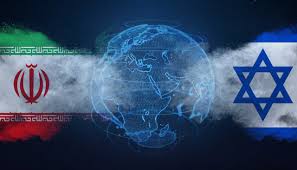
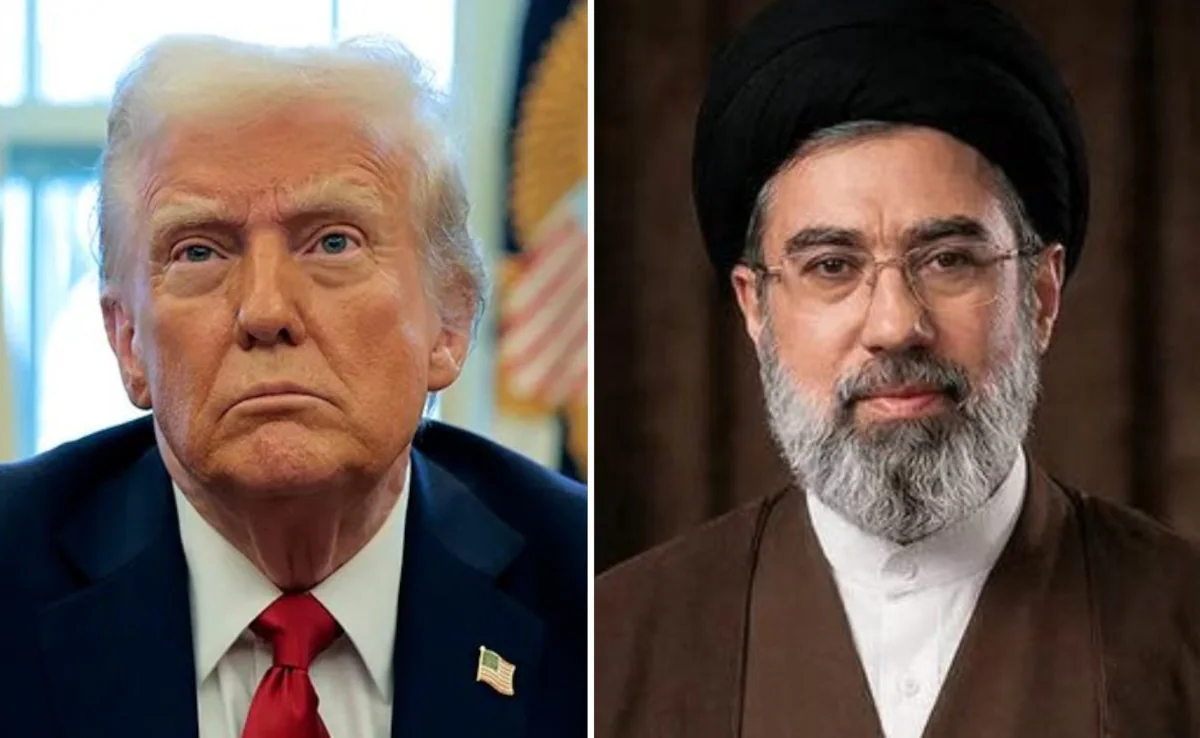
The Middle East is once again standing at the edge of a geopolitical cliff. A dramatic escalation between the United States and Iran has unfolded after former U.S. President Donald Trump issued a stark 48-hour ultimatum demanding Iran reopen the strategically vital Strait of Hormuz or face what he described as “all hell reigning down.”
The warning, delivered amid intensifying military exchanges and rising regional instability, has triggered global alarm. Iran has rejected ceasefire proposals and continues to leverage the Strait of Hormuz—through which nearly one-fifth of the world’s oil flows—as a bargaining tool. Meanwhile, reports of missile strikes, downed U.S. aircraft, and a captured American pilot have deepened fears that this confrontation could spiral into a broader war.
This unfolding crisis is not just another chapter in the long history of U.S.–Iran tensions—it is a moment that could reshape global energy markets, regional alliances, and the future of international diplomacy.
Breaking Down the Crisis: What Happened and Why It Matters
The Ultimatum That Changed the Equation
At the center of the crisis is Trump’s 48-hour deadline, reportedly expiring on April 6, 2026. The demand is straightforward but loaded with consequences: Iran must reopen the Strait of Hormuz and agree to de-escalation measures—or face a significant military response.
This ultimatum marks a sharp shift from diplomatic pressure to explicit coercion. Historically, U.S. policy toward Iran has oscillated between sanctions and negotiations. However, the current approach signals a willingness to escalate militarily in response to strategic disruption.
Iran, for its part, has refused to comply.
Tehran has rejected a proposed temporary ceasefire, signaling that it views the Strait not merely as a transit route but as a geopolitical lever. By restricting or threatening access, Iran is effectively challenging global economic stability to strengthen its negotiating position.
Military Escalation: From Shadow Conflict to Open Confrontation
The situation has rapidly moved beyond rhetoric into direct military engagement.
Strikes and Counterstrikes
Reports indicate that U.S. and Israeli forces have conducted targeted strikes on Iranian military infrastructure. These operations are believed to focus on missile launch sites and command centers, particularly around Tehran.
In response, Iran has launched missile attacks toward Israel, with explosions reported as far as Beirut. This expansion of hostilities beyond direct U.S.–Iran confrontation highlights the risk of regional spillover.
The involvement of Israel adds a critical layer to the conflict. For years, Israel has viewed Iran’s military capabilities—especially its missile programs and regional proxies—as existential threats. Now, that long-simmering tension is playing out in real time.
Downed Aircraft and Captured Pilot: A Dangerous Turning Point
The crisis took a dramatic turn with reports that Iran shot down two U.S. fighter jets, including an F-15 Eagle. At least one pilot has reportedly been captured.
This development is significant for several reasons:
- Escalation Threshold Crossed: Direct engagement resulting in captured personnel raises the stakes dramatically.
- Humanitarian Concerns: The treatment of captured military personnel becomes a pressing issue under international law.
- Political Pressure: Any harm to U.S. personnel could trigger an overwhelming response.
Search-and-rescue operations are ongoing, underscoring the human cost behind geopolitical maneuvering.
Historically, incidents involving captured soldiers have often acted as catalysts for broader conflict. In this case, it complicates any immediate pathway to de-escalation.
The Strait of Hormuz: Why This Narrow Waterway Matters So Much
A Global Energy Lifeline
The Strait of Hormuz is one of the most strategically important maritime routes in the world. Roughly 20% of global oil shipments pass through this narrow channel connecting the Persian Gulf to international markets.
Any disruption—whether through military activity, blockades, or threats—can have immediate and far-reaching consequences:
- Oil prices can spike dramatically within hours
- Supply chains can be disrupted globally
- Energy-dependent economies may face inflationary shocks
Countries across Asia, Europe, and beyond rely heavily on this route. For nations like India, China, and Japan, the stakes are particularly high.
Iran’s Leverage Strategy
Iran’s use of the Strait as leverage is not new. However, the current context is more volatile than previous standoffs.
By signaling its willingness to restrict access, Tehran is effectively saying: global economic stability is negotiable.
This strategy is risky. While it strengthens Iran’s bargaining position, it also invites international backlash—not just from the U.S., but from countries dependent on oil imports.
War Trajectory: Disaster or Recovery?
The current situation presents two divergent paths.
Scenario 1: Disaster (Escalation)
Indicators pointing toward escalation include:
- Iran’s rejection of ceasefire proposals
- Continued missile launches
- Trump’s hard deadline
- Ongoing U.S. and Israeli strikes
If these trends continue, the likely outcome is a broader regional war involving:
- Israel and Lebanon
- Gulf states such as Saudi Arabia and the UAE
- Potential involvement from global powers
Such a conflict could severely disrupt global oil trade and trigger economic instability worldwide.
Scenario 2: Recovery (De-escalation)
A less likely but still possible path involves:
- Backchannel diplomacy
- Pressure from international actors like the United Nations and the European Union
- Iran using the Strait as a negotiating tool rather than a permanent blockade
This scenario could lead to:
- A temporary ceasefire
- Limited reopening of the Strait
- Reduced military activity
However, even in this case, peace would likely be fragile and short-lived.
Global Impact: Beyond the Battlefield
Energy Markets on Edge
The potential closure or disruption of the Strait of Hormuz could trigger a global energy crisis.
Oil prices are highly sensitive to geopolitical risk. Even the perception of instability can drive speculative spikes. A sustained disruption could lead to:
- Higher fuel costs worldwide
- Inflationary pressure on economies
- Slower economic growth
Regional Security Fallout
The conflict is already spilling beyond U.S.–Iran dynamics.
- Missile exchanges involving Israel
- Explosions reported in Beirut
- Heightened alert levels across Gulf states
This widening scope increases the likelihood of miscalculation—one of the most dangerous factors in any conflict.
Diplomatic Pressure Mounts
Major global actors, including China and Russia, are likely to push for de-escalation. Their interests are both economic and strategic.
The United Nations may attempt mediation, though its effectiveness will depend on the willingness of both parties to engage.
Humanitarian Risks: Civilians Caught in the Crossfire
While military developments dominate headlines, the humanitarian dimension cannot be ignored.
Strikes in urban areas like Tehran raise the risk of civilian casualties. Infrastructure damage could disrupt access to essential services such as healthcare and electricity.
The capture of military personnel also raises concerns under international humanitarian law, particularly regarding treatment and rights.
If the conflict expands, refugee flows could increase, placing additional strain on neighboring countries.
Fact-Check and Ground Reality Assessment
Given the fast-moving nature of the crisis, some claims—particularly those shared via political channels or social media—require cautious interpretation.
- Claims of “massive strikes” eliminating leadership: These are difficult to independently verify in real time and may be exaggerated for strategic messaging.
- Reports of downed aircraft and captured pilots: Such incidents are plausible in escalating conflicts but typically require confirmation from multiple independent sources.
- Extent of damage in Tehran and Beirut: Ground reports remain fragmented, reflecting the fog of war.
In high-intensity conflicts, information itself becomes a tool. Analysts stress the importance of cross-verifying claims through credible international media and official statements.
The Strategic Calculation: Why Both Sides Are Holding Firm
United States’ Position
For the U.S., maintaining open access to global trade routes is a core strategic priority. Allowing Iran to control the Strait could set a dangerous precedent.
The ultimatum reflects a calculation that decisive pressure may force compliance.
Iran’s Position
Iran’s refusal to back down reflects its broader strategy of resisting external pressure.
By demonstrating its ability to disrupt global systems, Iran aims to strengthen its negotiating position and deter further attacks.
Outlook: A Narrow Window for Diplomacy
Time is now the most critical variable.
With the 48-hour deadline approaching, the likelihood of miscalculation increases. Each military action reduces the space for diplomacy.
The capture of a U.S. pilot further complicates the situation. It introduces a human dimension that can rapidly escalate political pressure.
Conclusion: A Crisis Tilting Toward Disaster
The current trajectory suggests that the situation is leaning toward escalation rather than recovery.
Unless urgent and effective international mediation intervenes, the risk of a broader regional war remains high. The Strait of Hormuz—small in geography but enormous in significance—has become the focal point of a global crisis.
The next 48 hours could determine whether this confrontation becomes a full-scale war or a narrowly avoided catastrophe.
Final Bottom Line
- The crisis is at a critical inflection point
- Military escalation is already underway
- Global economic and security risks are rising
- Diplomacy remains the only viable path to avoid disaster
But as of now, that path is narrowing—fast.